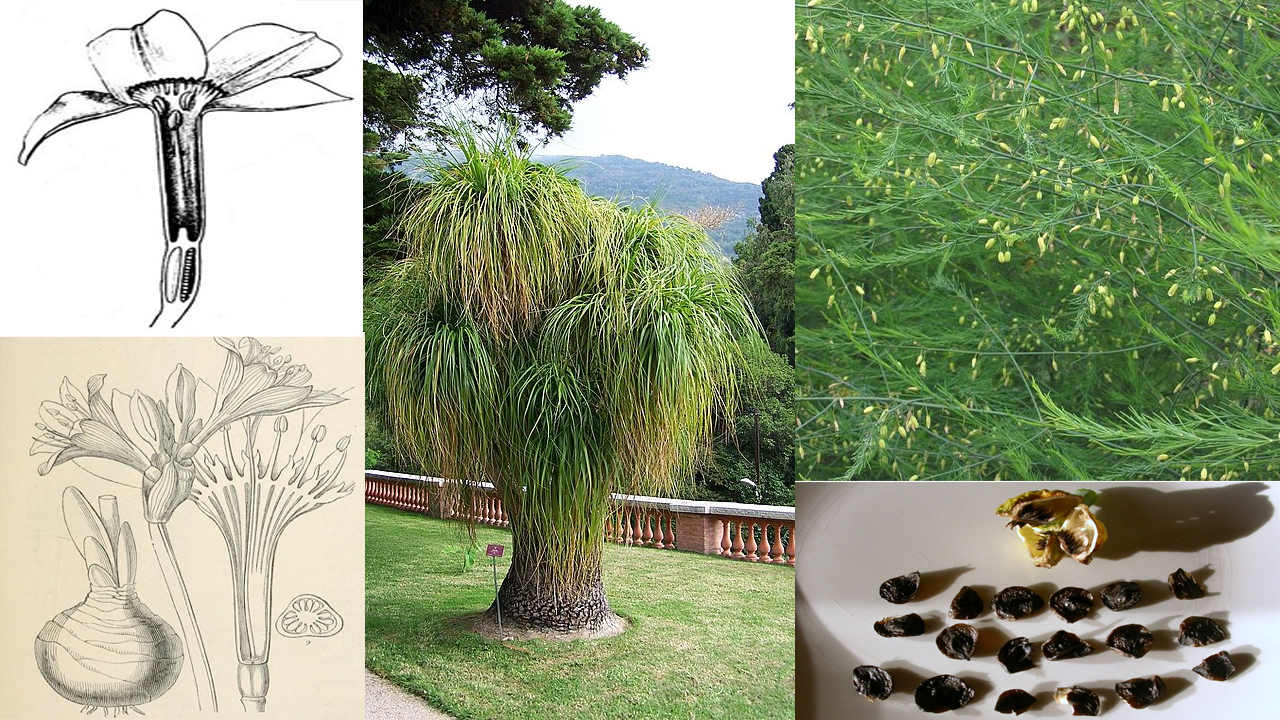
The order Asparagales is one of the most diverse and fascinating groups of flowering plants. It includes a wide range of species such as lilies, orchids, irises, and agaves. These plants are found across the globe, thriving in environments that range from tropical forests to arid deserts. The Asparagales order is characterized by its adaptability, unique floral structures, and ecological importance. For gardeners and plant enthusiasts, learning how to grow and care for Asparagales plants opens the door to cultivating some of the most beautiful and resilient species in horticulture.
Key Characteristics of Asparagales Plants
Asparagales plants are known for their striking flowers and varied growth habits. Many species produce bulbs or rhizomes, which serve as storage organs and allow them to survive harsh conditions. Their leaves are often linear or strap-shaped, providing a distinctive appearance in gardens. Asparagales flowers are diverse, ranging from the delicate blooms of orchids to the bold blossoms of lilies. This diversity makes them suitable for ornamental gardening, landscaping, and even indoor cultivation.
Choosing the Right Location for Asparagales
When growing Asparagales plants, location is critical. Most species prefer well-drained soil and access to sunlight, though the exact requirements vary depending on the plant. Orchids within the Asparagales order often thrive in partial shade with high humidity, while agaves and lilies prefer full sun and drier conditions. Understanding the natural habitat of each species helps gardeners replicate the right environment, ensuring healthy growth and vibrant Asparagales flowers.
Soil Preparation and Nutrient Needs
Soil quality plays a major role in the success of Asparagales cultivation. These plants generally prefer soil that is rich in organic matter yet well-draining. Sandy loam mixed with compost is ideal for many species. For orchids, specialized potting mixes with bark and perlite provide the aeration they need. Fertilization should be balanced, with nitrogen supporting leafy growth and phosphorus encouraging flowering. Regular feeding during the growing season ensures that Asparagales plants remain vigorous and capable of producing abundant blooms.
Watering Practices for Healthy Growth
Watering requirements vary across the Asparagales order, but a common principle is to avoid waterlogging. Bulbous species such as lilies and irises require consistent moisture during active growth but benefit from drier conditions during dormancy. Orchids demand careful watering, with roots needing moisture but also plenty of air circulation. Agaves, on the other hand, are drought-tolerant and thrive with minimal watering. By tailoring irrigation practices to the specific needs of each plant, gardeners can prevent root rot and encourage strong development.
Propagation Techniques for Asparagales Plants
Propagation is an exciting aspect of growing Asparagales plants. Bulb division is a common method for lilies and irises, allowing gardeners to multiply their stock easily. Orchids are often propagated through tissue culture or division of pseudobulbs, while agaves can be propagated from offsets. Seed propagation is possible for many species, though it requires patience and careful attention to germination conditions. By mastering these techniques, gardeners can expand their collection of Asparagales flowers and share them with others.
Seasonal Care and Maintenance
Seasonal care is essential for maintaining healthy Asparagales plants. During spring and summer, most species are in active growth and require regular watering, feeding, and monitoring for pests. As autumn approaches, many bulbous plants enter dormancy, and watering should be reduced. Winter care depends on the species; orchids may continue to grow indoors, while agaves and lilies rest until warmer weather returns. Understanding these seasonal cycles ensures that plants remain strong year after year.
Flowering Success in Asparagales Order
Achieving abundant blooms is one of the most rewarding aspects of growing Asparagales flowers. Proper light exposure, balanced nutrition, and appropriate watering all contribute to successful flowering. Orchids often require specific temperature fluctuations to trigger blooms, while lilies respond to seasonal changes in daylight. Agaves may take years to flower, but their dramatic blooms are worth the wait. By respecting the natural rhythms of the Asparagales order, gardeners can enjoy spectacular floral displays.
Common Challenges and Solutions
Like all plants, Asparagales species face challenges such as pests, diseases, and environmental stress. Aphids and spider mites can affect lilies and orchids, while fungal infections may damage bulbs. Preventive care, including proper spacing, good air circulation, and regular inspection, helps reduce these risks. Organic treatments such as neem oil or insecticidal soap can be effective against pests. By staying attentive, gardeners can protect their Asparagales plants and ensure long-term success.
Landscaping with Asparagales Plants
Beyond individual cultivation, Asparagales plants offer incredible potential for landscaping. Lilies and irises add color and elegance to garden borders, while agaves provide striking architectural forms in xeriscapes. Orchids can be grown indoors or in shaded outdoor areas, adding exotic beauty to any space. The diversity of the Asparagales order allows gardeners to design landscapes that combine resilience with aesthetic appeal, creating gardens that thrive across seasons.
Indoor Cultivation of Asparagales Flowers
Many Asparagales plants adapt well to indoor environments. Orchids are particularly popular as houseplants, requiring careful attention to humidity and light. Lilies can be grown in containers, providing seasonal blooms indoors. Agaves, with their low maintenance needs, are excellent choices for sunny windowsills. Indoor cultivation allows enthusiasts to enjoy the beauty of Asparagales flowers year-round, even in climates where outdoor growth may be limited.
Ecological Importance of Asparagales Order
The Asparagales order plays a vital role in ecosystems worldwide. Orchids contribute to biodiversity by forming unique relationships with pollinators, while agaves provide nectar for bats and other wildlife. Lilies and irises enhance soil health and support insect populations. By cultivating Asparagales plants, gardeners not only enjoy their beauty but also contribute to ecological balance and conservation.
Future of Asparagales Cultivation
As interest in sustainable gardening grows, the future of Asparagales cultivation looks promising. Advances in propagation techniques, eco-friendly fertilizers, and climate-adapted varieties are making these plants more accessible to gardeners everywhere. The resilience of the Asparagales order ensures that it will continue to thrive in diverse environments, offering beauty and ecological benefits for generations to come.
Conclusion: Embracing the Diversity of Asparagales
Growing Asparagales plants is a journey into one of the most diverse and rewarding orders of flowering plants. From the delicate blooms of orchids to the bold structures of agaves, the Asparagales order offers endless possibilities for gardeners. With proper care, propagation techniques, and attention to seasonal needs, these plants reward enthusiasts with vibrant Asparagales flowers and enduring resilience. By embracing their diversity, gardeners can cultivate landscapes that are both beautiful and ecologically meaningful, making the Asparagales order a cornerstone of horticultural success.
