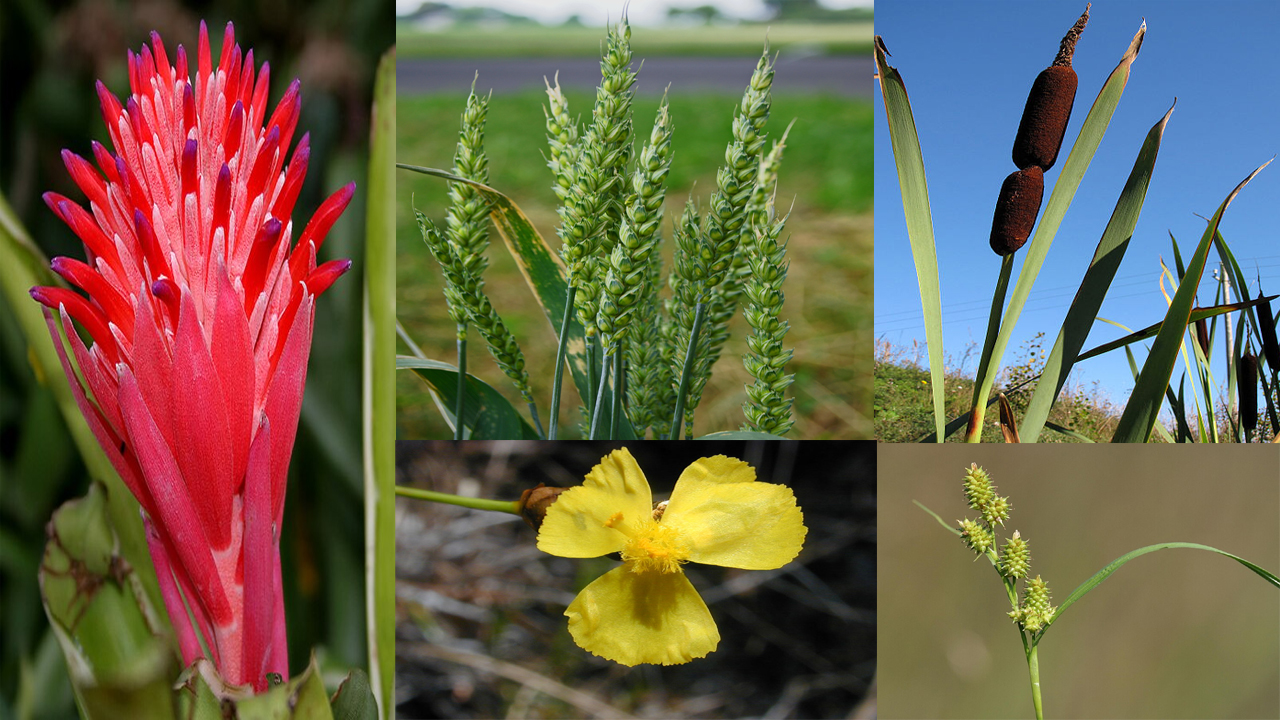
The order Poales is one of the most significant groups of flowering plants, encompassing grasses, grains, sedges, rushes, bromeliads, and bamboos. These plants are not only ecologically vital but also economically indispensable. Grasses form the foundation of pastures and lawns, grains feed billions of people worldwide, bamboo provides versatile materials for construction and crafts, and bromeliads add ornamental beauty to homes and gardens. Understanding their diversity helps gardeners and cultivators appreciate the unique requirements of each type while recognizing the shared traits that make them part of the same order.
Climate and Soil Requirements
Poales plants thrive in a wide range of climates, but their success depends on matching the species to the environment. Grasses and grains generally prefer temperate to warm climates with well-drained soils. Bamboo grows best in tropical and subtropical regions, though some hardy varieties tolerate cooler conditions. Bromeliads, being epiphytic or terrestrial, often require humid environments and well-aerated soil mixes. Across the order, soil fertility plays a crucial role. Grains like wheat and rice demand nutrient-rich soils, while ornamental grasses and bromeliads can adapt to leaner conditions if moisture and drainage are balanced.
Preparing the Ground for Grasses
Grasses are among the easiest Poales plants to establish, but preparation is key. Start by clearing the area of weeds and debris, then loosen the soil to improve aeration. Adding compost or organic matter enhances fertility and supports healthy root development. When sowing grass seeds, ensure even distribution and lightly rake them into the soil. Watering should be consistent but not excessive, as young seedlings are sensitive to both drought and waterlogging. Once established, grasses require regular mowing, fertilization, and occasional aeration to maintain lush growth.
Cultivating Grains for Food Security
Grains such as rice, wheat, maize, and barley are staples across the globe. Their cultivation requires careful planning and seasonal timing. Wheat thrives in cooler climates with moderate rainfall, while rice demands flooded fields or paddies in warm regions. Maize prefers sunny conditions and fertile soils, and barley adapts to a wide range of environments. Farmers and gardeners should rotate crops to maintain soil health and reduce pest pressure. Fertilization with nitrogen, phosphorus, and potassium ensures strong yields, while irrigation management prevents stress during critical growth stages. Harvesting grains at the right maturity stage is essential for quality and storage.
Growing Bamboo for Versatility
Bamboo is a fast-growing member of Poales that serves both ornamental and practical purposes. It requires well-drained soil, abundant sunlight, and regular watering during its establishment phase. Once mature, bamboo can tolerate periods of drought, though consistent moisture encourages vigorous growth. Clumping varieties are ideal for gardens, as they spread less aggressively than running types. Bamboo benefits from mulching, which conserves soil moisture and suppresses weeds. Pruning older culms improves airflow and aesthetics, while fertilization with organic compost supports healthy shoots. Bamboo’s rapid growth makes it a renewable resource for furniture, crafts, and landscaping.
Bromeliads as Ornamental Treasures
Bromeliads stand out in the Poales order for their striking foliage and vibrant flowers. Many are epiphytes, growing on trees without harming them, while others thrive in soil. They require bright but indirect light, high humidity, and well-draining substrates such as orchid bark or sandy mixes. Watering bromeliads involves filling their central cup, known as the tank, while ensuring excess water drains to prevent rot. Fertilization should be light and diluted, as these plants are sensitive to chemical buildup. Bromeliads reward growers with long-lasting blooms and unique foliage patterns, making them favorites in indoor and outdoor ornamental gardening.
Watering and Irrigation Practices
Effective watering is crucial across Poales plants, though requirements vary. Grasses and grains need consistent moisture during germination and early growth, but overwatering can lead to fungal diseases. Bamboo requires deep watering during dry spells, especially in its early years. Bromeliads, being adapted to rainforest conditions, prefer humidity and occasional misting, with water stored in their central cups. Irrigation systems such as drip lines or sprinklers can be tailored to each plant type, ensuring efficiency and reducing waste. Monitoring soil moisture helps prevent stress and supports healthy development.
Fertilization and Nutrient Management
Nutrient management is a cornerstone of successful Poales cultivation. Grains demand balanced fertilization, with nitrogen supporting leaf growth, phosphorus aiding root development, and potassium enhancing resilience. Grasses benefit from seasonal fertilization to maintain green color and density. Bamboo responds well to organic compost and slow-release fertilizers, which sustain its rapid growth. Bromeliads require minimal feeding, but diluted liquid fertilizers applied monthly can enhance foliage and blooms. Over-fertilization should be avoided, as it can damage roots and reduce plant health. Sustainable practices such as composting and crop rotation improve soil fertility naturally.
Pest and Disease Control
Poales plants are susceptible to a range of pests and diseases. Grains often face threats from fungal infections, insects, and weeds, requiring integrated pest management strategies. Grasses can suffer from lawn grubs, fungal patches, and invasive weeds. Bamboo may attract aphids or mites, while bromeliads are prone to rot if overwatered. Preventive measures include maintaining proper spacing, ensuring good airflow, and practicing crop rotation. Natural remedies such as neem oil or beneficial insects can reduce reliance on chemical pesticides. Healthy plants with strong root systems are more resilient to pests and diseases.
Harvesting and Maintenance
Harvesting practices differ across Poales plants. Grains must be harvested at full maturity to ensure quality and storability. Grasses require regular mowing and dethatching to maintain vigor. Bamboo can be harvested once culms mature, usually after three to five years, ensuring sustainability by leaving younger shoots intact. Bromeliads bloom once in their lifetime, after which the mother plant produces offsets or pups that can be separated and replanted. Maintenance across the order involves pruning, fertilization, and monitoring for pests, ensuring long-term productivity and beauty.
Ecological and Economic Importance
Poales plants play a vital role in ecosystems and economies. Grasses stabilize soils, prevent erosion, and provide forage for livestock. Grains are the backbone of global food security, feeding billions daily. Bamboo contributes to sustainable construction and crafts, offering renewable alternatives to timber. Bromeliads enhance biodiversity by providing habitats for insects and small animals in their water-filled tanks. Economically, Poales plants support agriculture, horticulture, and industries worldwide, making their cultivation both practical and profitable.
Conclusion
Cultivating plants from the Poales order requires understanding their diversity, climate preferences, and care requirements. From the simplicity of grasses to the complexity of bromeliads, each member offers unique benefits and challenges. By preparing soil carefully, managing water and nutrients, and practicing sustainable methods, growers can enjoy thriving gardens, productive fields, and ornamental displays. Whether for food, materials, or beauty, Poales plants enrich human life and natural ecosystems, making their cultivation a rewarding endeavor for gardeners, farmers, and enthusiasts alike.
