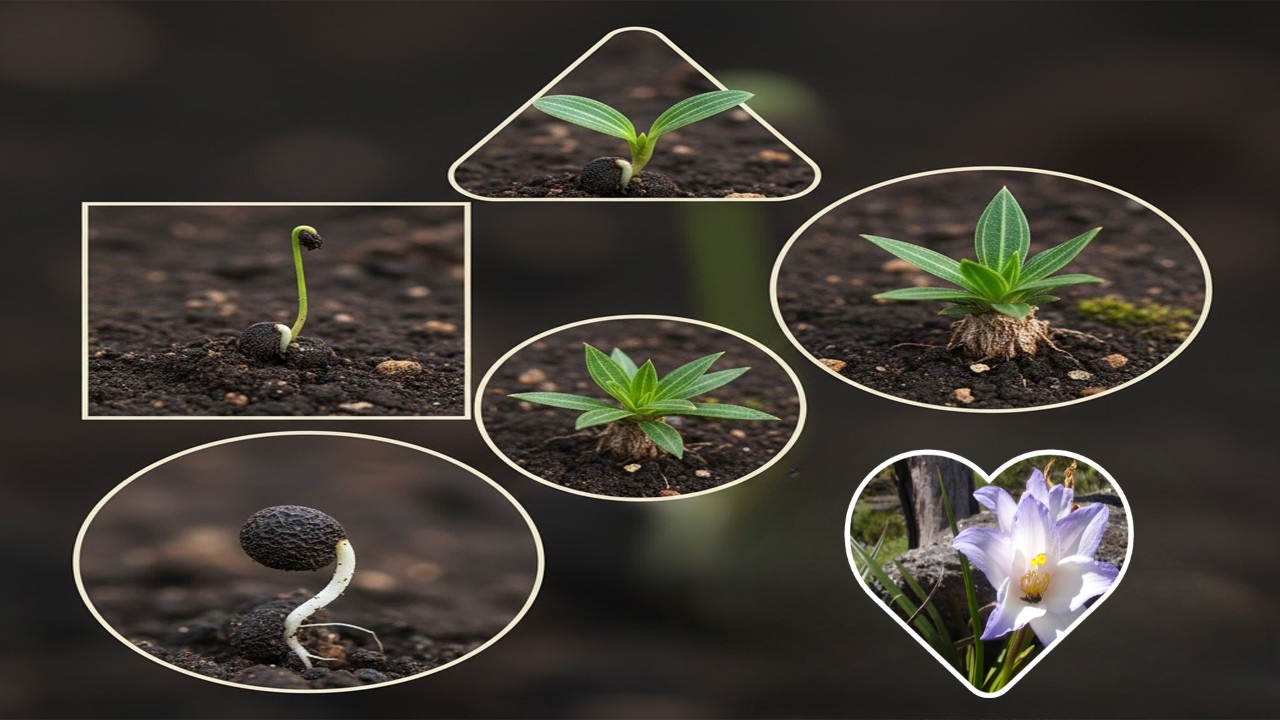
The Velloziaceae family is a group of xerophytic plants that thrive in some of the harshest environments on earth. Known for their resilience and striking appearance, species within the genus Vellozia are often found in rocky outcrops, savannas, and mountainous regions of South America and Africa. These plants have adapted to survive in nutrient-poor soils, intense sunlight, and prolonged droughts, making them fascinating subjects for gardeners interested in rare and hardy species. Their unique growth habits and ornamental qualities have attracted attention from botanists and plant enthusiasts worldwide.
Understanding Vellozia Species
Vellozia species are characterized by their tough, fibrous stems and rosettes of narrow leaves. Many species produce vibrant flowers in shades of purple, yellow, or white, which contrast beautifully against their rugged foliage. The plants are xerophytic, meaning they are adapted to dry conditions, often storing water in specialized tissues. Some species resemble small shrubs, while others grow into larger, tree-like forms. Their ability to thrive in rocky soils and withstand extreme climates makes them ideal candidates for xeriscaping and low-maintenance gardens.
Choosing the Right Location
When growing Velloziaceae plants, location is critical. These species prefer full sun and well-drained soils, mimicking their natural habitats on rocky hillsides and plateaus. A garden bed with sandy or gravelly soil is ideal, as it prevents waterlogging and root rot. Raised beds or rock gardens can also provide the right conditions. Vellozia plants are not suited to heavy clay soils unless they are amended with grit or sand to improve drainage. Positioning them in areas with maximum sunlight ensures healthy growth and flowering.
Soil Preparation and Planting
Preparing the soil for Velloziaceae involves replicating their native environment. A mix of sandy soil, gravel, and organic matter provides the right balance of drainage and nutrients. Planting should be done during the warmer months when the soil temperature supports root development. Digging a hole slightly larger than the root ball and backfilling with the prepared soil mix helps establish the plant. Mulching with gravel or coarse sand around the base reduces evaporation and keeps the roots cool.
Watering Requirements
Although Velloziaceae are drought-tolerant, they benefit from occasional watering during dry spells, especially when young. Mature plants can survive long periods without water, but supplemental irrigation during flowering enhances bloom quality. Overwatering should be avoided, as it can lead to root rot. A deep soak followed by a dry period mimics natural rainfall patterns and encourages strong root systems. Drip irrigation or careful hand watering is preferable to overhead sprinklers, which may cause fungal issues on leaves.
Fertilization and Nutrient Needs
Vellozia species are adapted to nutrient-poor soils, so they require minimal fertilization. However, applying a light dose of balanced fertilizer during the growing season can promote healthier foliage and more abundant flowers. Organic compost or slow-release fertilizers are suitable options. Excessive feeding should be avoided, as it can disrupt the plant’s natural growth rhythm. In rocky gardens, the gradual breakdown of mineral-rich stones often provides sufficient trace elements for these hardy plants.
Seasonal Growth Cycle
The growth cycle of Velloziaceae reflects their adaptation to extreme climates. During the rainy season, plants produce new leaves and prepare for flowering. As conditions dry, they conserve energy and rely on stored water reserves. Flowering typically occurs during periods of bright sunlight, with blossoms lasting several weeks. After flowering, seed capsules develop, ensuring the continuation of the species. Gardeners should observe these cycles to adjust care practices, such as watering and fertilization, in harmony with the plant’s natural rhythm.
Caring for Velloziaceae in Gardens
Caring for Velloziaceae involves providing conditions that mimic their native habitats. Regular removal of dead leaves maintains plant health and improves appearance. Monitoring for pests such as scale insects or mealybugs is important, though these plants are generally resistant to most common garden pests. Pruning is rarely necessary, but trimming damaged foliage can enhance aesthetics. In colder climates, Vellozia species may require protection from frost, as prolonged freezing can damage their tissues. Container growing is an option for gardeners in regions with unsuitable winters, allowing plants to be moved indoors during cold spells.
Propagation Techniques
Propagation of Velloziaceae can be achieved through seeds or division. Seed propagation requires patience, as germination may be slow and irregular. Fresh seeds should be sown in sandy soil and kept moist until seedlings emerge. Division of mature clumps is a faster method, allowing gardeners to produce new plants from established specimens. Carefully separating offsets and replanting them in prepared soil ensures successful propagation. Both methods benefit from warm temperatures and consistent moisture during the early stages of growth.
Common Challenges and Solutions
Growing Velloziaceae outside their native range presents challenges. Poor drainage is the most common issue, leading to root rot. Ensuring sandy or gravelly soil prevents this problem. Limited flowering may occur if plants are grown in partial shade, so full sun exposure is essential. In humid climates, fungal diseases can affect foliage, but good air circulation and careful watering reduce risks. Gardeners should also be cautious of over-fertilization, which can weaken the plant’s natural resilience.
Designing with Velloziaceae
Velloziaceae plants are excellent for xeriscaping and rock gardens. Their architectural form and striking flowers make them focal points in landscape design. They pair well with other drought-tolerant species such as succulents, cacti, and ornamental grasses. Planting them among rocks or gravel beds highlights their natural beauty and emphasizes their resilience. Larger species can serve as structural elements in garden design, while smaller varieties add texture and color to borders. Their adaptability to harsh conditions makes them valuable in sustainable gardening practices.
Conservation and Ecological Importance
Many Velloziaceae species are native to fragile ecosystems and play important roles in their environments. They provide habitat and food for pollinators, including bees and butterflies. Some species are threatened by habitat loss due to agriculture and urbanization. Cultivating Velloziaceae in gardens not only preserves their beauty but also contributes to conservation efforts. By growing these plants, gardeners help maintain genetic diversity and raise awareness of their ecological significance.
Conclusion
Velloziaceae plants, particularly species within the genus Vellozia, offer gardeners a chance to cultivate resilient and visually striking xerophytes. With their ability to thrive in rocky soils, withstand drought, and produce vibrant flowers, they are ideal for low-maintenance and sustainable gardens. By understanding their natural adaptations and providing suitable conditions, gardeners can enjoy the unique beauty of these plants year after year. Whether grown in rock gardens, containers, or xeriscaped landscapes, Velloziaceae species bring a touch of rugged elegance and ecological value to any setting.
