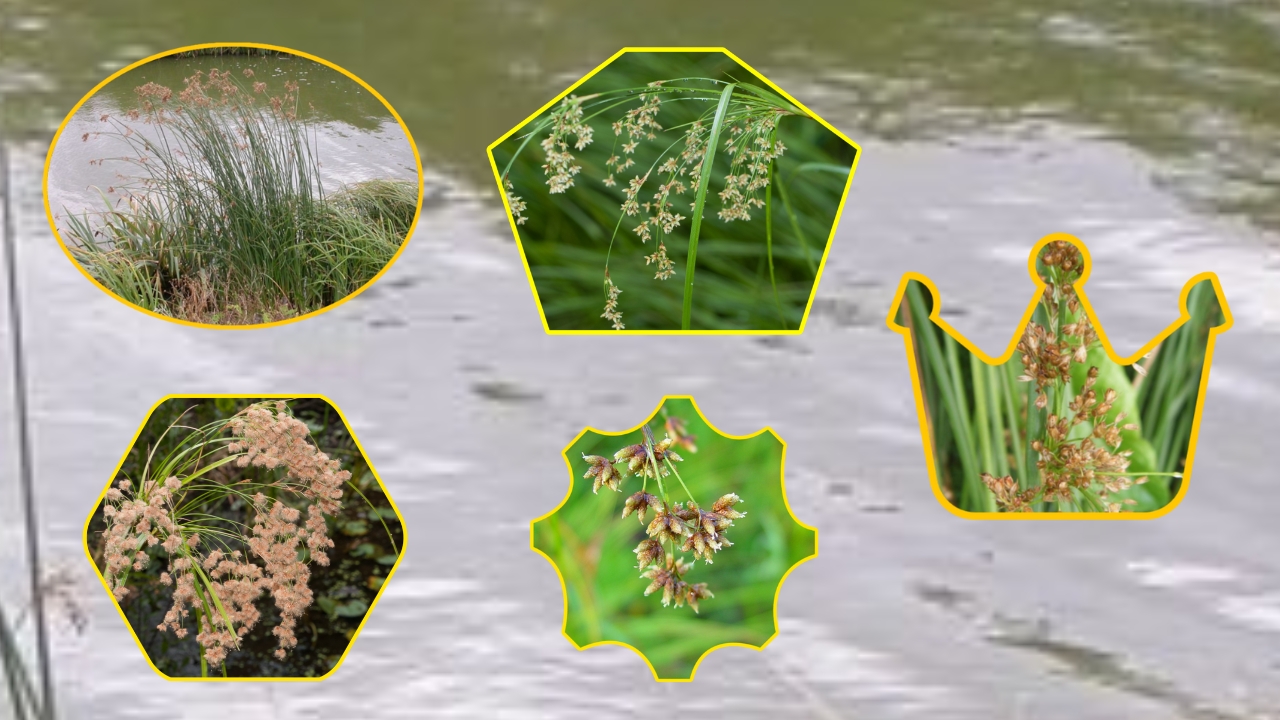
Scirpus is a fascinating group of plants commonly known as bulrush or club-rush. These aquatic or semi-aquatic plants thrive in wetlands, ponds, and moist garden areas, making them ideal for natural landscaping and water gardens. The scirpus plant belongs to the sedge family and is admired for its ornamental appeal, ecological importance, and adaptability. Gardeners often encounter different species such as scirpus isolepsis, scirpus tabernaemontani, and scirpus zebrinus, each offering unique textures and growth habits.
Scirpus sp includes a wide range of species that vary in size, leaf structure, and habitat preference. Some are tall and upright, while others, like scirpus fiber optic grass, are compact and decorative. These plants are not only attractive but also play a role in stabilizing soil and supporting aquatic ecosystems.
Scirpus Isolepsis and Its Ornamental Appeal
Scirpus isolepsis, often referred to as fiber optic grass, is one of the most popular ornamental varieties. Its fine, hair-like foliage radiates outward, resembling fiber optic strands, which makes it a striking addition to containers, borders, and water features. This variety is particularly loved for its delicate appearance and ability to thrive in moist soil conditions.
Gardeners appreciate scirpus fiber optic grass for its versatility. It can be grown in pots, hanging baskets, or directly in garden beds where moisture is consistent. Its compact size makes it suitable for small spaces, and its unique texture adds contrast when paired with broader-leaved plants.
Scirpus Tabernaemontani and Its Variegated Form
Scirpus tabernaemontani is a taller species that grows well in ponds and marshy areas. It is valued for its upright growth and ability to create natural screens or borders along water edges. A particularly attractive cultivar is scirpus tabernaemontani zebrinus, also known as schoenoplectus tabernaemontani zebrinus. This variety features striking green stems with horizontal cream or yellow stripes, giving it a zebra-like appearance.
The variegated form is highly ornamental and often used in landscape design to add vertical interest. Its bold pattern contrasts beautifully with other aquatic plants, making it a centerpiece in water gardens. Scirpus tabernaemontani zebrinus is hardy and adaptable, tolerating a range of water depths and soil conditions.
Growing Conditions for Scirpus Plants
To cultivate scirpus successfully, it is essential to replicate their natural environment. These plants thrive in moist to wet soils and prefer full sun to partial shade. They are commonly grown along pond margins, in bog gardens, or in containers with consistent watering.
Scirpus grass varieties, including scirpus isolepsis and scirpus tabernaemontani, require soil that retains moisture. Sandy or loamy soil enriched with organic matter works well. While they tolerate standing water, they should not be left in stagnant conditions for extended periods. Good water circulation ensures healthy growth.
Temperature tolerance varies among species, but most scirpus plants are hardy in temperate regions. In colder climates, they may die back in winter and re-emerge in spring. Mulching around the base can help protect roots during frost.
Planting and Propagation Techniques
Planting scirpus is straightforward. For pond or water garden settings, position the plant at the edge where the crown is just above water level. In containers, use a mix of garden soil and compost, ensuring the medium remains consistently moist.
Propagation is usually done through division. Mature clumps of scirpus can be carefully separated and replanted in new locations. This method ensures genetic consistency and maintains the ornamental traits of cultivars like scirpus tabernaemontani zebrinus. Seed propagation is possible but less common, as it requires specific conditions and patience.
When dividing scirpus fiber optic grass, handle the delicate roots gently to avoid damage. Replant divisions promptly and water thoroughly to encourage establishment.
Care and Maintenance of Scirpus Plants
Scirpus plants are relatively low-maintenance once established. Regular watering is crucial, especially for container-grown specimens. Fertilization is minimal; a balanced, slow-release fertilizer applied in spring can support vigorous growth.
Pruning involves removing dead or damaged stems to maintain a tidy appearance. For scirpus fiber optic grass, trimming back old foliage encourages fresh growth and keeps the plant looking vibrant. Taller species like scirpus tabernaemontani may require occasional thinning to prevent overcrowding.
Pest and disease issues are rare, as scirpus plants are naturally resilient. However, maintaining good water quality and avoiding stagnant conditions reduces the risk of fungal problems.
Landscape Uses and Design Ideas
Scirpus plants are versatile in landscape design. Scirpus grass varieties can be used to soften pond edges, create natural borders, or add texture to mixed plantings. Scirpus isolepsis works beautifully in decorative containers, while scirpus tabernaemontani zebrinus adds bold vertical accents to water gardens.
Their ecological benefits are equally important. Scirpus sp helps stabilize soil, reduce erosion, and provide habitat for aquatic wildlife. They are often used in wetland restoration projects for these reasons.
In modern gardens, scirpus fiber optic grass is popular for its unique appearance. Proven Winners scirpus graceful grasses fiber optic grass details highlight its adaptability and ornamental value, making it a favorite among gardeners seeking distinctive textures.
Seasonal Care and Overwintering
During the growing season, scirpus plants flourish with regular moisture and sunlight. As autumn approaches, growth slows, and some species may enter dormancy. In colder regions, scirpus fiber optic grass may be treated as an annual, while hardy species like scirpus tabernaemontani survive winter with minimal protection.
Overwintering involves cutting back dead foliage and mulching around the base. Container-grown plants can be moved to sheltered areas to avoid frost damage. With proper care, scirpus plants return vigorously in spring, ready to enhance the garden once again.
Conclusion
Scirpus plants, from the delicate scirpus isolepsis to the striking scirpus tabernaemontani zebrinus, offer gardeners a wide range of ornamental and ecological benefits. Their adaptability to wet environments, ease of cultivation, and unique textures make them valuable additions to both natural and decorative landscapes. Whether used as scirpus grass along pond edges or as scirpus fiber optic grass in containers, these plants bring beauty and function to any garden.
By understanding their growing conditions, propagation methods, and seasonal care, gardeners can cultivate scirpus successfully and enjoy the graceful presence of bulrush in their outdoor spaces.
