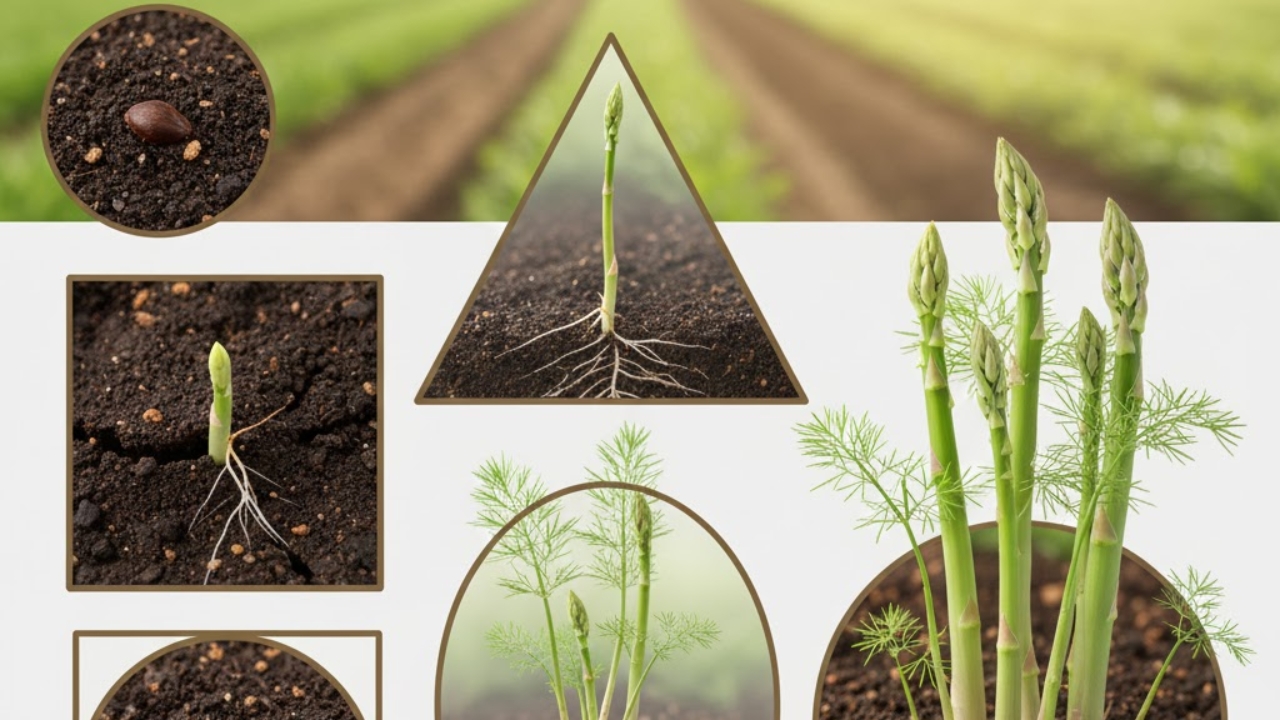
Growing asparagus is one of the most rewarding long‑term additions you can make to a home garden. This hardy asparagus vegetable, known botanically as asparagus officinalis, can produce abundant spears for 15 to 20 years once established. Whether you’re planting asparagus for the first time, starting asparagus from seed, or expanding an existing asparagus garden, understanding the plant’s needs is the key to big, flavorful harvests. Many gardeners begin with classic varieties like Mary Washington asparagus, Jersey Giant asparagus, Jersey Knight asparagus, Jersey Supreme asparagus, or Millennium asparagus, while others explore purple asparagus, white asparagus, or even wild asparagus for unique flavors and textures.
Understanding Asparagus and Its Many Varieties
Asparagus comes in many forms, from the familiar green spears to purple passion asparagus and fresh white asparagus grown by shielding shoots from sunlight. Beyond edible types, ornamental species such as asparagus setaceus, asparagus densiflorus, asparagus falcatus, asparagus meyeri, and asparagus aethiopicus are grown for their feathery foliage. Some gardeners also experiment with asparagus beans, asparagus peas, and asparagus lettuce, which are unrelated plants but share similar culinary uses.
When choosing asparagus varieties, consider your climate, soil, and taste preferences. Green giant asparagus and jumbo asparagus offer thick, robust spears, while purple varieties are sweeter and tender. If you’re searching for asparagus for sale, asparagus seeds for sale, or bare root asparagus, you’ll find options ranging from organic asparagus to specialty cultivars available both locally and through asparagus online suppliers.
Preparing the Soil and Site for Planting Asparagus
Asparagus thrives in full sun and well‑drained soil enriched with compost. Preparing asparagus beds deeply is essential because the asparagus root system grows wide and long. Many gardeners use raised beds or an asparagus container when space is limited, though traditional in‑ground beds allow for larger yields. Before planting asparagus, loosen the soil at least 12 inches deep and mix in organic matter to support long‑term fertility.
If you’re planting asparagus seeds or starting asparagus from seed, begin indoors several weeks before the last frost. Growing asparagus from seed takes patience, but it allows you to raise strong, disease‑resistant plants. For quicker results, asparagus crowns or asparagus starts are the most common choice. These one‑year‑old roots establish faster and begin producing sooner.
Planting Asparagus for Strong, Long‑Lasting Plants
Planting asparagus seeds requires consistent warmth and moisture. Once seedlings are sturdy, transplant them into the garden after hardening off. For crowns, dig trenches about 6 to 8 inches deep, spacing each crown 12 to 18 inches apart. Spread the roots like a spider, cover lightly with soil, and gradually fill the trench as shoots grow.
Varieties like Martha Washington asparagus and Mary Washington asparagus are time‑tested favorites, while newer hybrids such as Millennium asparagus offer improved yields. Whether you’re planting asparagus seeds or crowns, patience is essential. Avoid harvesting during the first year to allow the plants to build strength.
Caring for Growing Asparagus Throughout the Seasons
Asparagus requires consistent care, especially during the first few years. Keep beds weed‑free, as young asparagus competes poorly with weeds. Mulching helps retain moisture and suppress unwanted growth. Water regularly, especially during dry spells, to support deep root development.
Fertilize lightly in early spring and again after the harvest season. Asparagus densiflorus and other ornamental relatives may require different care, but edible asparagus thrives with balanced nutrition. In fall, allow the ferny foliage to yellow before cutting it back; this ensures nutrients return to the asparagus root system.
Harvesting Asparagus for Big, Flavorful Yields
Once established, asparagus produces abundant spears each spring. Harvest spears when they reach 6 to 10 inches tall by snapping or cutting them at ground level. Avoid overharvesting, especially in early years, to maintain plant vigor. Wild asparagus and sea asparagus may appear thinner or more delicate, but they follow similar harvesting principles.
Fresh asparagus is best enjoyed immediately, but you can extend its shelf life by freezing fresh asparagus, blanching asparagus for freezing, or preparing pickled asparagus. Canned asparagus, canned white asparagus, and fosters pickled asparagus offer convenient alternatives when fresh options are unavailable.
Cooking Fresh Asparagus in Delicious Ways
Once harvested, asparagus becomes a versatile ingredient in the kitchen. Cooking fresh asparagus can be as simple as steaming it in an asparagus steamer or asparagus steamer pot, sautéing it in an asparagus pan, or preparing asparagus in the oven. Oven roasted asparagus, roasted asparagus 400, and oven baked asparagus are popular methods that bring out rich, caramelized flavors.
Air fryer asparagus and asparagus in air fryer recipes offer crisp, quick results, while grilled asparagus, grilled asparagus in foil, and grilled asparagus in oven add smoky depth. For indulgent dishes, bacon wrapped asparagus or bacon wrapped asparagus air fryer versions are favorites. Parmesan asparagus, marinated asparagus, broiled asparagus, and sautéed asparagus provide endless variety.
Frozen asparagus, asparagus canned, and fresh asparagus near me searches help cooks find ingredients year‑round. Specialty items like spicy pickled asparagus, pickled asparagus near me, and poshi asparagus add tangy, ready‑to‑eat options.
Storing, Preserving, and Buying Asparagus
If you grow more than you can eat, freezing asparagus or blanching asparagus for freezing preserves flavor and texture. Marinated asparagus and pickled asparagus are excellent for long‑term storage. For those who prefer convenience, asparagus for sale near me, asparagus on sale near me, aldi asparagus, asparagus aldi, coles asparagus, asparagus coles, and tesco asparagus searches help locate affordable options. Asparagus price varies by season, variety, and region, but buying in bulk during peak harvest can be cost‑effective.
Fresh white asparagus, purple asparagus seeds, asparagus bean seeds, and asparagus starts are often available through nurseries and online retailers. Whether you’re expanding an asparagus garden or experimenting with new asparagus varieties, there’s always something new to explore.
Final Thoughts on Growing and Enjoying Asparagus
Asparagus is a long‑term investment that rewards gardeners with abundant harvests and endless culinary possibilities. From planting asparagus seeds to harvesting mature spears, each step contributes to a thriving asparagus garden that can last for decades. Whether you enjoy roasted asparagus, asparagus in the oven, bbq asparagus, or grilled asparagus, the satisfaction of growing your own makes every dish more meaningful.
