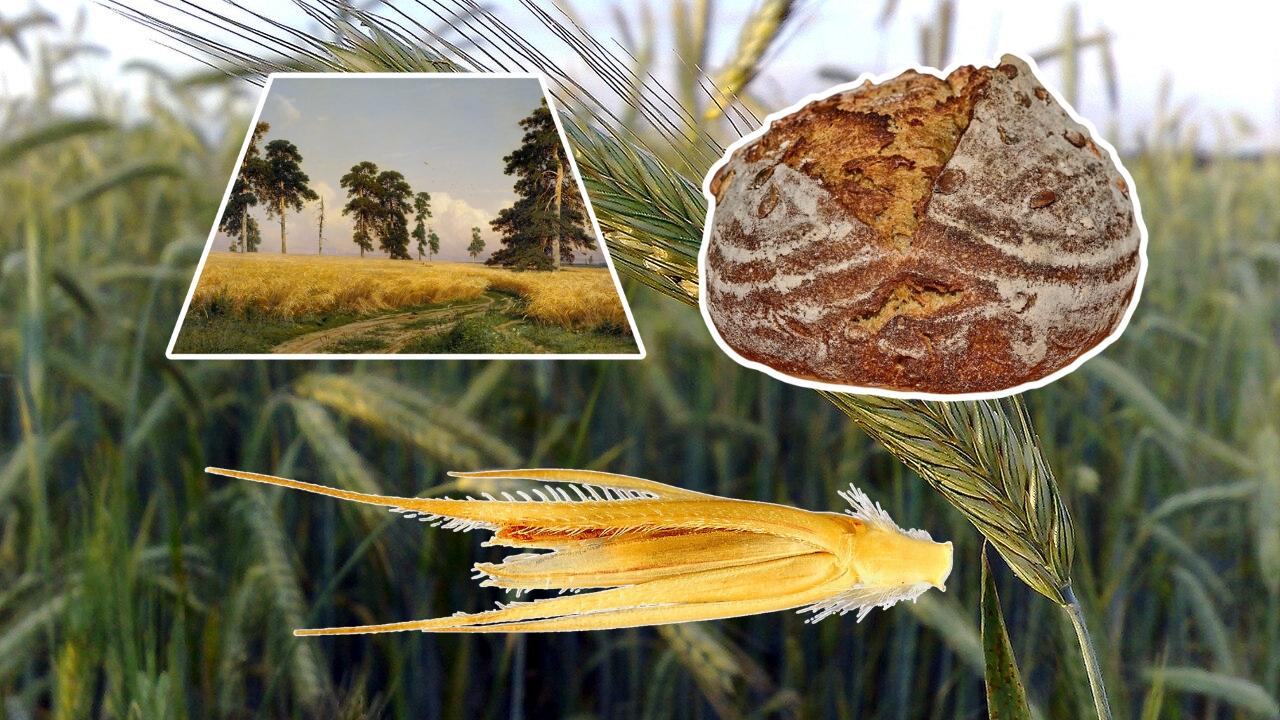
Rye is a hardy and versatile cereal grain that has been cultivated for centuries across many regions of the world. Known for its ability to thrive in poor soils and colder climates, rye is an excellent choice for beginners who want a resilient crop with multiple uses. Whether you are growing it for grain, animal feed, or as a cover crop to improve soil health, rye offers a rewarding experience with relatively low maintenance.
Understanding the full process from planting to harvest helps ensure a successful yield. With the right preparation and care, even first-time growers can cultivate a healthy rye crop that supports both soil fertility and food production.
Understanding Rye Varieties
Before planting, it is important to choose the right type of rye for your purpose. There are generally two main types: winter rye and spring rye. Winter rye is the most commonly grown because it is extremely cold-tolerant and is typically planted in the fall. It establishes quickly, survives winter conditions, and resumes growth in early spring.
Spring rye, on the other hand, is planted in early spring and harvested later in the same growing season. While it matures faster, it is less commonly used because it does not offer the same soil protection benefits during winter months. For beginners, winter rye is usually the better choice due to its resilience and higher productivity.
Ideal Climate and Soil Conditions
Rye is known for its adaptability, which makes it easier to grow compared to many other grains. It performs best in cool climates but can tolerate a wide range of temperatures. Winter rye can survive freezing conditions, making it suitable for regions with harsh winters.
In terms of soil, rye is not very demanding. It can grow in sandy, loamy, or even slightly acidic soils where other crops might struggle. However, for the best results, aim for well-drained soil with moderate fertility. Avoid waterlogged areas, as excessive moisture can hinder root development and lead to disease.
Preparing the soil properly before planting will significantly improve your chances of success. Removing weeds, loosening the soil, and ensuring good drainage create an ideal environment for rye seeds to germinate and grow.
Step-by-Step Planting Guide
Planting rye is straightforward, making it ideal for beginners. Start by preparing your soil a few weeks before planting. Clear the area of weeds and debris, then loosen the top layer of soil to allow good seed-to-soil contact.
For winter rye, plant seeds in the fall, typically a few weeks before the first expected frost. This allows the plants to establish roots before winter sets in. For spring rye, sow seeds as soon as the soil can be worked in early spring.
Broadcast the seeds evenly across the prepared soil or plant them in rows. Seeds should be sown at a shallow depth, usually about 2 to 4 centimeters deep. After sowing, lightly cover the seeds with soil and water gently to encourage germination.
Maintaining proper spacing ensures that plants have enough room to grow and access nutrients. While rye can tolerate dense planting, moderate spacing helps reduce competition and promotes healthier growth.
Watering and Nutrient Needs
Rye is relatively drought-tolerant once established, which makes it a low-maintenance crop. However, consistent moisture is important during the early stages of growth. Water the crop lightly but regularly after planting to help seeds germinate and seedlings establish strong roots.
Once the plants are established, rainfall is often sufficient in most regions. Only provide additional watering during prolonged dry periods. Overwatering should be avoided, as it can lead to root problems and fungal diseases.
Rye does not require heavy fertilization. In fact, one of its advantages is its ability to grow in nutrient-poor soils. However, adding organic matter such as compost before planting can improve soil structure and provide essential nutrients. If needed, a light application of nitrogen fertilizer can support early growth, but excessive fertilization should be avoided.
Managing Weeds and Pests
One of the benefits of growing rye is its natural ability to suppress weeds. It grows quickly and forms a dense cover that shades out competing plants. This makes it an excellent choice for organic farming and soil management.
Despite its resilience, it is still important to monitor your crop for weeds, especially during the early stages. Removing weeds manually or using simple tools can prevent them from establishing and competing with young rye plants.
Pest issues in rye are generally minimal, but occasional problems may arise. Common pests include aphids and certain beetles. Keeping your field clean and maintaining healthy soil can reduce the risk of infestations. If pests do appear, natural solutions such as introducing beneficial insects or using mild organic treatments can help control them.
Growth Stages and Care
Rye grows relatively quickly and goes through several distinct stages. After germination, seedlings emerge and begin establishing roots. This is followed by vegetative growth, during which the plants develop tall, green stalks.
As the crop matures, it enters the heading stage, where seed heads begin to form. This is a critical period, as the plant requires sufficient nutrients and moisture to produce healthy grains. Monitoring your crop during this phase ensures that any issues are addressed promptly.
Rye generally requires minimal intervention during its growth cycle. However, keeping an eye on plant health, soil moisture, and overall field conditions will help you achieve a better yield.
Harvesting Rye
Harvesting rye at the right time is crucial for obtaining high-quality grain. The crop is ready for harvest when the seed heads turn golden brown and the grains become firm. This usually occurs in late spring or early summer for winter rye, depending on your planting time and local climate.
To check if the grain is ready, press a few kernels between your fingers. If they are hard and no longer release milky fluid, the crop is ready to harvest. Delaying harvest can lead to grain loss due to shattering or damage from weather conditions.
Rye can be harvested manually using a sickle or scythe for small-scale farming. For larger areas, mechanical harvesters are more efficient. After cutting, allow the plants to dry before threshing to separate the grains from the stalks.
Post-Harvest Handling and Storage
Proper handling after harvest ensures that your rye remains in good condition for consumption or future planting. Once the grains are separated, clean them to remove debris and chaff. Drying is an essential step, as moisture can lead to mold and spoilage during storage.
Store rye grains in a cool, dry place using airtight containers or sacks. Protect them from pests such as rodents and insects by using secure storage methods. Well-stored rye can last for several months or even longer without losing quality.
If you plan to use rye as a cover crop rather than for grain, you can cut it before it fully matures and incorporate it into the soil. This adds organic matter and improves soil fertility for future crops.
Benefits of Growing Rye
Rye offers numerous benefits beyond its use as a food crop. It is widely used as a cover crop because it prevents soil erosion, improves soil structure, and suppresses weeds. Its deep root system helps break up compacted soil and enhances nutrient cycling.
Additionally, rye can be used for animal feed, flour production, and even in certain beverages. Its versatility makes it a valuable addition to any garden or farm.
For beginners, rye provides an excellent introduction to grain cultivation due to its hardiness and low maintenance requirements. With proper planning and care, it can deliver both immediate and long-term benefits.
Conclusion
Growing rye successfully does not require extensive experience or advanced techniques. By selecting the right variety, preparing your soil, and following a simple planting and care routine, you can achieve a healthy and productive crop.
From planting in the right season to harvesting at the optimal time, each step plays an important role in the overall success of your rye cultivation. With its resilience and multiple uses, rye is an ideal crop for beginners looking to explore sustainable and rewarding farming practices.
