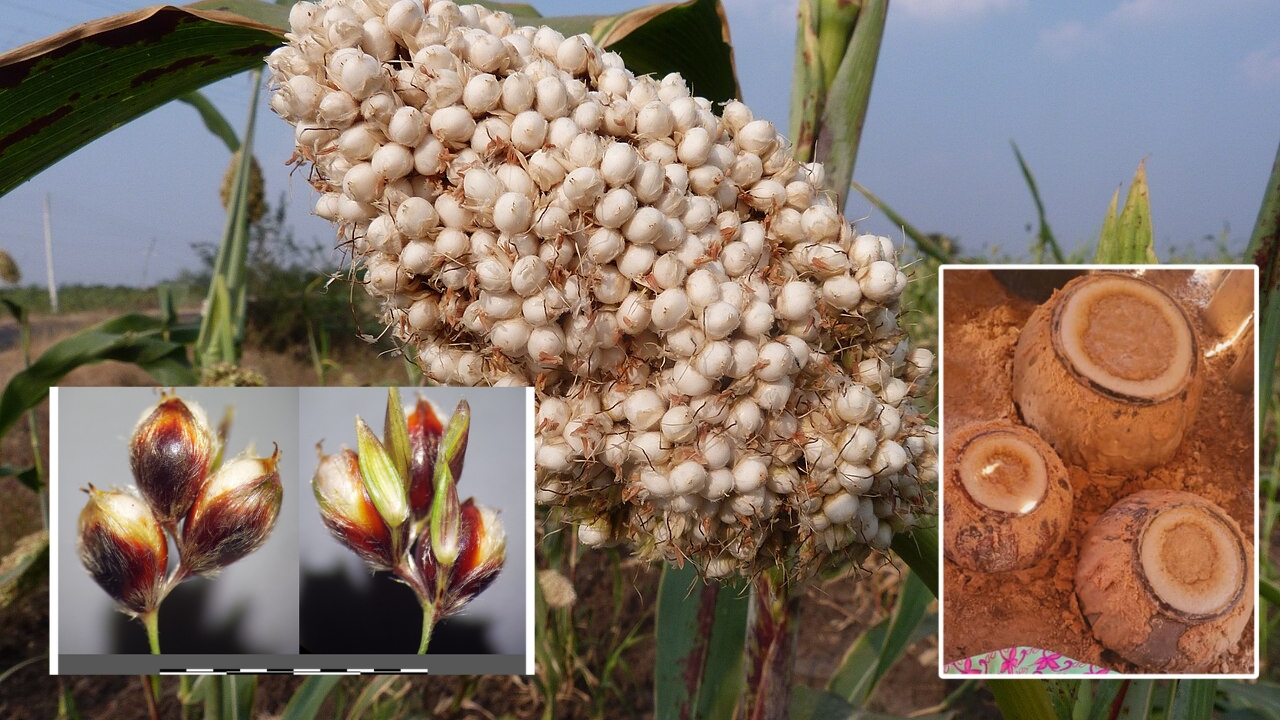
Sorghum is a versatile and resilient cereal crop widely grown for food, animal feed, and even biofuel production. Known for its ability to thrive in hot and dry climates, it is an excellent choice for farmers and home gardeners in regions with limited rainfall. Sorghum grains can be used in a variety of dishes, while its stalks are often utilized for fodder or syrup production. Growing sorghum is relatively straightforward, making it suitable for beginners who want to cultivate a hardy and productive crop.
Understanding Sorghum Varieties
Before planting sorghum, it is important to choose the right variety based on your purpose. Grain sorghum is commonly grown for edible seeds, while forage sorghum is used for livestock feed. Sweet sorghum is valued for its juicy stalks that can be processed into syrup. There are also dual-purpose varieties that provide both grain and fodder. Selecting a variety suited to your climate and intended use will significantly influence your success.
Ideal Climate and Soil Conditions
Sorghum thrives in warm temperatures and requires plenty of sunlight throughout its growing season. It performs best in temperatures ranging from 25 to 35 degrees Celsius. One of its key advantages is drought tolerance, making it suitable for semi-arid regions. However, consistent moisture during early growth improves yield.
The crop grows well in a variety of soils, but well-drained loamy or sandy loam soils are ideal. Sorghum can tolerate slightly acidic to neutral soil pH, typically between 5.5 and 7.5. Avoid waterlogged soils, as excessive moisture can damage the roots and reduce plant health.
Land Preparation and Soil Fertility
Proper land preparation is essential for healthy sorghum growth. Begin by clearing weeds and debris from the field. Plow the soil to a fine tilth to ensure good seed-to-soil contact. Level the field to prevent uneven water distribution.
Adding organic matter such as compost or well-rotted manure improves soil fertility and structure. Sorghum benefits from moderate fertilization, particularly nitrogen, phosphorus, and potassium. Applying a balanced fertilizer before planting and supplementing with nitrogen during early growth stages can enhance plant vigor and yield.
Planting Sorghum Seeds
Sorghum is typically planted directly into the soil rather than transplanted. The best planting time depends on local climate conditions but generally falls in late spring or early summer when soil temperatures are warm.
Seeds should be sown at a depth of about 2 to 5 centimeters. Spacing between rows should be around 45 to 60 centimeters, with plants spaced 10 to 20 centimeters apart within rows. Proper spacing ensures adequate airflow, sunlight penetration, and nutrient availability.
After planting, lightly water the soil to promote germination. Under favorable conditions, seeds usually germinate within 5 to 10 days.
Watering and Irrigation Needs
Although sorghum is drought-tolerant, it still requires water during critical growth stages. The most important periods for watering are germination, early seedling development, and flowering. Insufficient moisture during these stages can significantly affect yield.
In rain-fed areas, natural rainfall may be sufficient. However, in drier regions, supplemental irrigation is beneficial. Avoid overwatering, as soggy soil conditions can lead to root diseases and poor plant development.
Weed Control and Field Maintenance
Weeds compete with sorghum for nutrients, water, and sunlight, especially during the early growth stages. Effective weed control is essential to ensure healthy crop development. Manual weeding, hoeing, or shallow cultivation can help keep weeds under control.
Mulching can also be used to suppress weed growth and conserve soil moisture. Once sorghum plants are established and grow taller, they naturally shade out many competing weeds, reducing the need for frequent intervention.
Pest and Disease Management
Sorghum is relatively resistant to many pests and diseases, but it is not entirely immune. Common pests include aphids, stem borers, and armyworms. Regular field inspection helps detect infestations early. Natural predators, proper crop rotation, and organic pest control methods can help manage these issues.
Diseases such as leaf blight, rust, and smut may affect sorghum under certain conditions. Using disease-resistant varieties and maintaining proper field hygiene are effective preventive measures. Avoid overcrowding plants and ensure good air circulation to reduce the risk of fungal infections.
Growth Stages and Crop Development
Sorghum goes through several growth stages, starting with germination, followed by vegetative growth, flowering, and grain development. During the vegetative stage, the plant focuses on leaf and stem growth. As it matures, it enters the reproductive phase, where panicles form and grains develop.
Monitoring the crop during these stages helps in timely management of water, nutrients, and pests. Healthy plants typically reach maturity within 90 to 120 days, depending on the variety and environmental conditions.
Harvesting Sorghum
Harvesting time depends on the intended use of the crop. For grain sorghum, harvesting should be done when the grains are hard and moisture content is low. The panicles usually turn brown, indicating maturity. Delayed harvesting can lead to grain loss due to birds or shattering.
For forage or fodder, sorghum can be harvested earlier when the plants are still green and nutritious. Sweet sorghum is harvested when the stalks are juicy and sugar content is high.
Harvesting can be done manually using sickles or mechanically in larger fields. After harvesting, grains should be properly dried to prevent spoilage during storage.
Post-Harvest Handling and Storage
Proper post-harvest handling is crucial to maintain grain quality. After threshing, clean the grains to remove debris and damaged seeds. Dry the grains thoroughly until moisture content is low enough for safe storage.
Store sorghum in a cool, dry place using airtight containers or storage bags. Protect the grains from pests such as weevils by using natural repellents or proper storage techniques. Good storage practices ensure that the crop remains usable for long periods.
Benefits of Growing Sorghum
Sorghum offers numerous benefits, making it an attractive crop for farmers and gardeners. Its drought tolerance reduces dependence on irrigation, while its adaptability allows it to grow in marginal soils. It provides food, fodder, and industrial uses, making it highly versatile.
Additionally, sorghum is gluten-free, making it a valuable grain for people with dietary restrictions. Its nutritional profile includes fiber, protein, and essential minerals, contributing to a balanced diet.
Tips for Successful Sorghum Cultivation
To achieve the best results, choose high-quality seeds and plant them at the right time. Ensure proper soil preparation and maintain balanced nutrition throughout the growing period. Monitor the crop regularly for pests and diseases and address issues promptly.
Maintaining proper spacing, avoiding overwatering, and practicing crop rotation can significantly improve yield and soil health. Learning from each growing season and adapting your methods will help you become more successful over time.
Conclusion
Growing sorghum is a rewarding experience due to its resilience, versatility, and wide range of uses. With proper planning, care, and management, it can produce a reliable and abundant harvest even under challenging conditions. Whether you are cultivating it for grain, fodder, or syrup, sorghum stands out as a sustainable and valuable crop choice for both small-scale gardeners and large-scale farmers.
