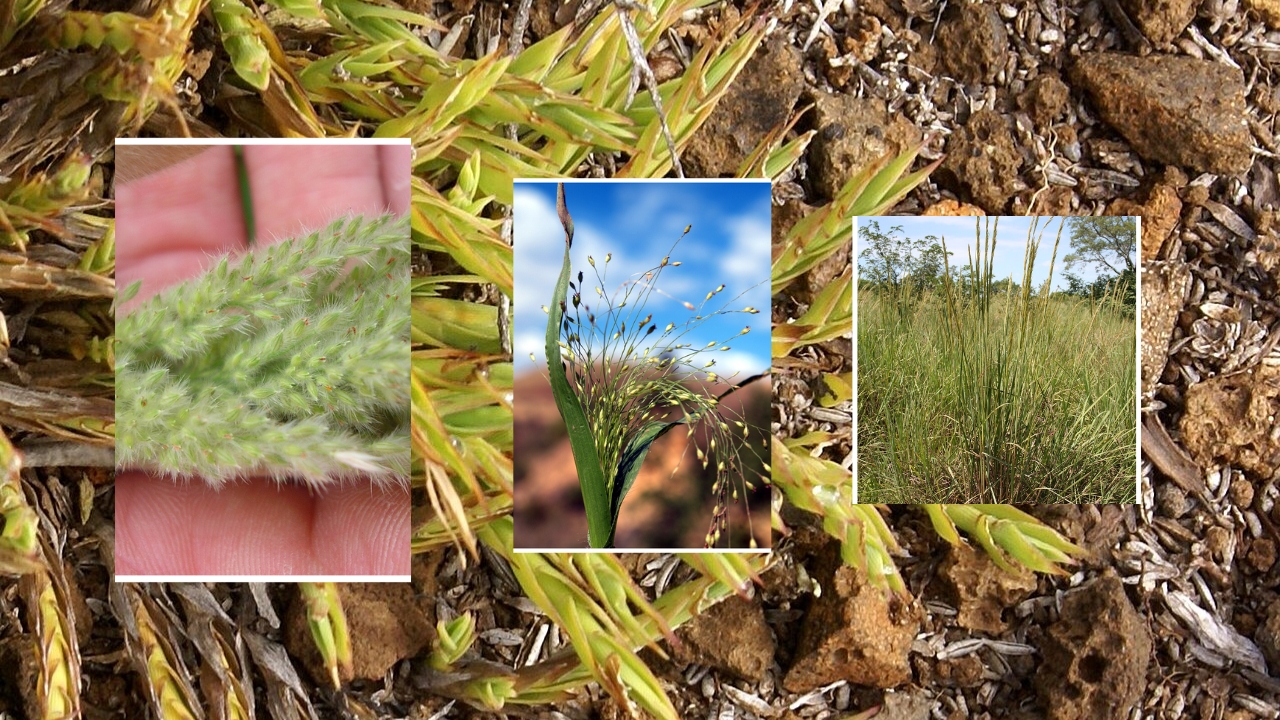
Panicum, commonly known as panic grass or millet in certain varieties, is a versatile and resilient plant widely cultivated for food, forage, and ornamental purposes. It belongs to a large genus of grasses that thrive in a variety of climates, making it an excellent choice for both small-scale gardeners and commercial growers. Known for its drought tolerance and adaptability, panicum plays a significant role in sustainable agriculture and soil conservation.
Growing panicum can be highly rewarding, especially for those looking to cultivate low-maintenance crops that provide nutritional and ecological benefits. Whether you are interested in harvesting grains, feeding livestock, or enhancing your landscape, understanding how to properly plant, care for, and harvest panicum is essential.
Understanding the Ideal Growing Conditions
Panicum is a warm-season grass that thrives best in regions with ample sunlight and moderate to high temperatures. It performs well in temperatures ranging between 20°C and 35°C, making it particularly suitable for tropical and subtropical climates. While it can tolerate brief periods of cooler weather, frost can damage or kill young plants.
The plant prefers well-drained soil with a slightly acidic to neutral pH, typically between 5.5 and 7.5. Although panicum can adapt to poorer soils, enriching the soil with organic matter significantly improves growth and yield. Sandy loam or loamy soils are ideal because they provide the right balance of drainage and moisture retention.
Adequate sunlight is crucial for healthy development. Panicum requires at least six to eight hours of direct sunlight daily. Shaded conditions can lead to weak growth and reduced productivity.
Selecting the Right Panicum Variety
There are numerous varieties of panicum, each suited for different purposes. Some types are grown for grain production, while others are used as forage for livestock or as ornamental grasses in gardens and landscapes.
Grain-producing varieties, often referred to as millets, are valued for their high nutritional content and resilience in dry conditions. Forage varieties are typically fast-growing and provide abundant biomass for grazing animals. Ornamental types, such as switchgrass, are appreciated for their aesthetic appeal and ability to enhance garden designs.
Choosing the right variety depends on your specific goals, climate conditions, and available space. It is always advisable to select a variety that is well-adapted to your local environment for the best results.
Preparing the Soil for Planting
Proper soil preparation is a critical step in ensuring successful panicum cultivation. Begin by clearing the planting area of weeds, rocks, and debris. Weeds can compete with young panicum plants for nutrients, water, and sunlight, so removing them early is essential.
Next, loosen the soil to a depth of about 15 to 20 centimeters. This improves aeration and allows roots to penetrate more easily. Incorporating compost or well-rotted manure into the soil enhances fertility and provides essential nutrients that support early growth.
If the soil is heavy clay, consider adding sand or organic matter to improve drainage. Conversely, if the soil is too sandy, adding compost can help retain moisture and nutrients.
Planting Panicum Seeds
Panicum is typically grown from seeds, which are easy to handle and have a relatively high germination rate under favorable conditions. The best time to plant is during the warm season when soil temperatures are consistently above 18°C.
Sow the seeds directly into the prepared soil at a depth of about 1 to 2 centimeters. Space the seeds evenly to prevent overcrowding, which can hinder growth and increase susceptibility to disease. For larger planting areas, broadcasting the seeds and lightly raking them into the soil can be effective.
After planting, gently water the area to ensure good seed-to-soil contact. Germination usually occurs within one to two weeks, depending on temperature and moisture levels.
Watering and Irrigation Practices
Although panicum is known for its drought tolerance, consistent watering during the early stages of growth is crucial. Young plants require adequate moisture to establish strong root systems.
Water the plants regularly but avoid overwatering, as waterlogged soil can lead to root rot. Once established, panicum can withstand dry conditions and requires less frequent watering. In regions with regular rainfall, additional irrigation may not be necessary.
Mulching around the plants can help conserve soil moisture, regulate temperature, and suppress weed growth. Organic mulches such as straw or dried leaves are particularly beneficial.
Fertilization and Nutrient Management
Panicum does not require heavy fertilization, but providing the right nutrients can significantly enhance growth and yield. A balanced fertilizer applied at the time of planting can support initial development.
Nitrogen is particularly important for leafy growth, while phosphorus and potassium contribute to root development and overall plant health. Organic fertilizers, such as compost or manure, are excellent options for maintaining soil fertility in a sustainable way.
Avoid excessive use of chemical fertilizers, as this can lead to nutrient imbalances and environmental issues. Regular soil testing can help determine the specific nutrient needs of your soil.
Managing Weeds, Pests, and Diseases
Weed control is essential during the early stages of panicum growth. Regular weeding helps reduce competition and ensures that the plants receive sufficient nutrients and sunlight. Once the plants are established, they can outcompete many weeds naturally.
Panicum is relatively resistant to pests and diseases, but occasional issues may arise. Common pests include grasshoppers and aphids, which can damage leaves and reduce productivity. Natural pest control methods, such as introducing beneficial insects or using neem-based sprays, can be effective.
Diseases are usually associated with poor drainage or excessive humidity. Ensuring proper spacing, good air circulation, and well-drained soil can help prevent most problems.
Growth Stages and Maintenance
Panicum goes through several growth stages, including germination, vegetative growth, flowering, and seed production. During the vegetative stage, the plant focuses on developing leaves and stems, which are essential for photosynthesis.
As the plant matures, it begins to produce flower heads, which eventually develop into seeds. Regular monitoring during these stages allows you to identify any issues early and take corrective action.
Maintenance practices such as occasional trimming and removing damaged or diseased parts can promote healthier growth. In forage systems, controlled grazing or cutting can encourage regrowth and maintain productivity.
Harvesting Panicum
The timing and method of harvesting depend on the intended use of the crop. For grain production, harvest when the seed heads have fully matured and turned golden brown. At this stage, the seeds are firm and easily separable from the plant.
Cut the plants and allow them to dry in a well-ventilated area before threshing to extract the seeds. Proper drying is essential to prevent mold and ensure long-term storage.
For forage purposes, panicum can be harvested earlier, during the vegetative or early flowering stage, when the nutritional value is highest. Regular harvesting can also stimulate new growth and extend the productive period.
Post-Harvest Handling and Storage
After harvesting, proper handling and storage are crucial to maintain the quality of panicum grains or forage. Clean the seeds thoroughly to remove debris and store them in a cool, dry place in airtight containers.
For forage, drying the harvested material into hay can help preserve it for later use. Ensure that the hay is completely dry before storage to prevent spoilage.
Regularly inspect stored products for signs of pests or moisture, and take corrective measures if needed. Proper storage practices can significantly extend the shelf life and usability of panicum.
Benefits of Growing Panicum
Growing panicum offers numerous benefits, both economically and environmentally. Its ability to thrive in challenging conditions makes it an excellent choice for areas prone to drought or poor soil quality.
Panicum contributes to soil health by preventing erosion and improving soil structure. It also supports biodiversity by providing habitat for various organisms.
From a nutritional perspective, panicum grains are rich in essential nutrients and can be used in a variety of culinary applications. As a forage crop, it provides a reliable source of feed for livestock.
Conclusion
Panicum is a resilient and versatile plant that offers significant advantages for growers of all levels. With proper planning, planting, and care, it can yield abundant harvests while requiring relatively low maintenance. By understanding its growth requirements and following best practices, you can successfully cultivate panicum for food, forage, or ornamental purposes.
