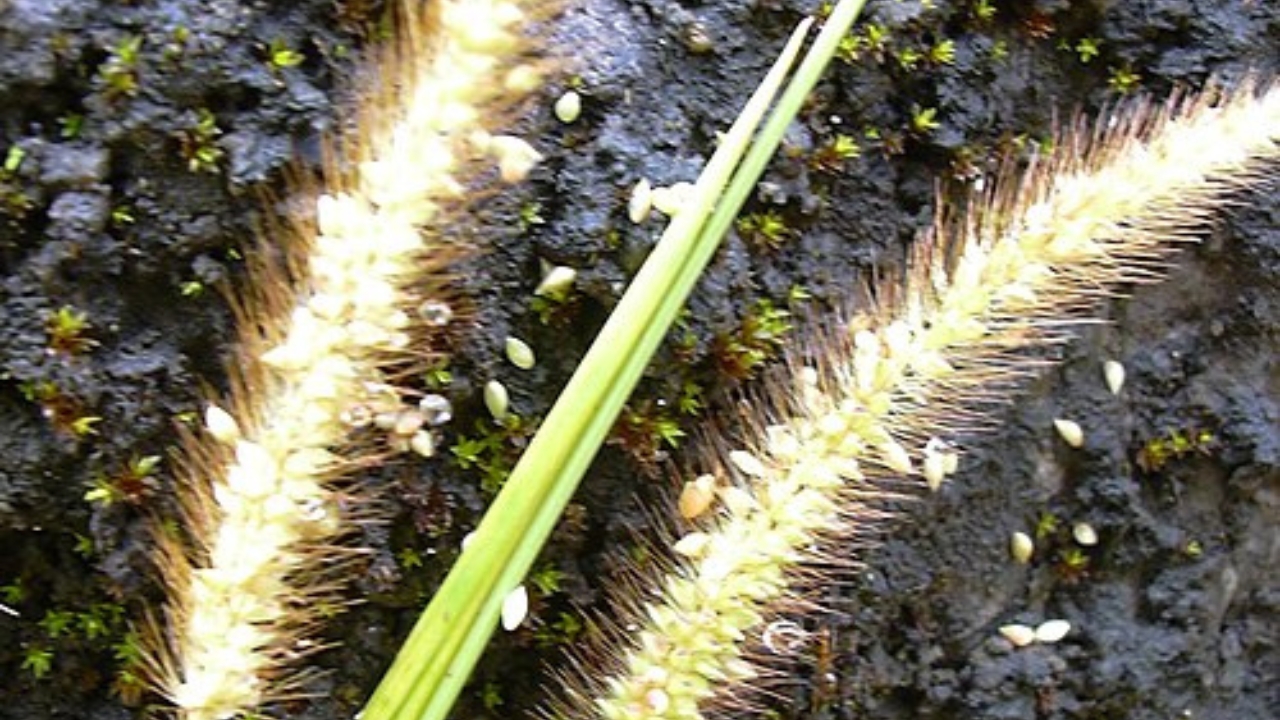
Setaria grass, commonly known as foxtail grass, is a versatile and fast-growing forage crop valued for its adaptability, nutritional benefits, and ease of cultivation. It is widely used as fodder for livestock, especially in regions with warm climates and seasonal rainfall. Farmers appreciate Setaria for its resilience, quick establishment, and ability to produce substantial biomass even under moderate conditions. Whether you are a small-scale farmer or managing a larger agricultural operation, understanding the proper techniques for growing Setaria grass can significantly improve both yield and quality.
Climate and Soil Requirements
Setaria grass thrives best in warm, tropical to subtropical climates. It prefers temperatures between 20°C and 35°C, making it ideal for regions with long growing seasons. While it can tolerate moderate drought conditions, consistent moisture availability enhances its growth and productivity.
In terms of soil, Setaria is relatively flexible but performs best in well-drained, fertile soils with a pH range of 5.5 to 7.5. Sandy loam and loamy soils are particularly suitable because they allow good root development and water infiltration. Avoid waterlogged or highly compacted soils, as these can hinder root growth and reduce yield. Proper land preparation, including plowing and leveling, ensures a favorable environment for seed germination and early plant development.
Land Preparation and Sowing Methods
Preparing the land thoroughly is a critical first step in achieving a successful Setaria crop. Begin by plowing the field to a fine tilth, removing weeds, stones, and crop residues. A well-prepared seedbed allows for better seed-to-soil contact, which is essential for uniform germination.
Setaria can be established through direct seeding or transplanting, though direct seeding is more common. Seeds should be sown at a shallow depth of about 1 to 2 centimeters. Broadcasting or line sowing methods can be used, but line sowing is preferred as it facilitates easier weed management and uniform spacing.
The ideal seeding rate generally ranges between 4 to 6 kilograms per hectare, depending on the variety and soil conditions. Maintaining proper spacing between rows, typically around 30 to 40 centimeters, ensures adequate airflow and sunlight penetration, promoting healthy plant growth.
Irrigation and Water Management
Although Setaria grass is relatively drought-tolerant once established, proper irrigation during the early growth stages is essential. Initial watering after sowing helps in seed germination, while regular irrigation during the first few weeks ensures strong root establishment.
After establishment, irrigation frequency can be reduced, but the crop should not be subjected to prolonged dry spells, especially during active growth periods. Ideally, irrigation should be scheduled every 10 to 15 days, depending on rainfall and soil moisture levels.
Efficient water management not only improves yield but also enhances the nutritional quality of the forage. Over-irrigation should be avoided, as it can lead to root diseases and nutrient leaching.
Nutrient Management and Fertilization
Setaria grass responds well to proper nutrient management. Applying organic manure such as farmyard manure or compost before sowing improves soil fertility and structure. Typically, 10 to 15 tons per hectare of organic manure is recommended during land preparation.
In addition to organic inputs, chemical fertilizers can be applied to boost growth. A balanced application of nitrogen, phosphorus, and potassium is essential. Nitrogen plays a key role in leaf development and biomass production, so split applications of nitrogen fertilizer are often recommended throughout the growing season.
Top dressing with nitrogen after each harvest can significantly enhance regrowth and overall productivity. Regular soil testing helps determine the exact nutrient requirements and prevents over- or under-fertilization.
Weed Control and Crop Maintenance
Weed management is crucial during the early stages of Setaria growth, as weeds compete for nutrients, water, and sunlight. Manual weeding or shallow cultivation between rows can effectively control weed growth during the first few weeks after planting.
Once the grass is well established, it tends to outcompete most weeds due to its dense canopy. However, periodic monitoring is still necessary to prevent any invasive species from affecting the crop.
Routine maintenance practices such as removing diseased plants, ensuring proper drainage, and maintaining optimal plant density contribute to a healthier and more productive crop.
Pest and Disease Management
Setaria grass is generally resistant to many pests and diseases, making it a low-maintenance forage option. However, occasional infestations of insects such as grasshoppers or aphids may occur. Early detection and prompt action, such as using biological controls or safe insecticides, can prevent significant damage.
Fungal diseases can develop in conditions of excessive moisture or poor air circulation. Proper spacing, controlled irrigation, and good field hygiene are effective preventive measures. Using disease-free seeds and practicing crop rotation further reduces the risk of infections.
Harvesting Techniques and Timing
Harvesting Setaria grass at the right time is essential to maximize both yield and nutritional value. The first harvest is typically ready within 60 to 75 days after sowing, depending on growing conditions. Subsequent harvests can be taken every 30 to 45 days.
For optimal quality, the grass should be cut at a height of about 5 to 10 centimeters above ground level. This allows for quicker regrowth and sustained productivity over multiple harvest cycles. Harvesting too late may result in reduced palatability and lower nutritional content due to increased fiber levels.
Using sharp tools or mechanical harvesters ensures clean cuts and minimizes damage to the plants, promoting faster recovery and regrowth.
Yield Expectations and Productivity Tips
Under proper management, Setaria grass can produce high yields of green fodder, often ranging from 40 to 80 tons per hectare annually. Yield levels depend on factors such as soil fertility, irrigation practices, climate conditions, and management techniques.
To maximize productivity, farmers should focus on timely sowing, balanced fertilization, efficient irrigation, and regular harvesting. Incorporating organic matter into the soil and maintaining proper plant density also contribute to higher yields.
Adopting improved varieties and following recommended agronomic practices can further enhance both quantity and quality of the forage.
Benefits of Growing Setaria Grass
Setaria grass offers numerous benefits that make it a popular choice among farmers. Its high nutritional value supports livestock health and productivity, making it an excellent fodder option for dairy and meat production systems.
The crop’s ability to grow quickly and regenerate after cutting ensures a continuous supply of forage. Additionally, its adaptability to different soil types and resistance to common pests and diseases reduce the need for intensive management.
Setaria also plays a role in soil conservation by preventing erosion and improving soil structure through its extensive root system. This makes it a sustainable option for long-term agricultural use.
Conclusion
Growing Setaria grass is a practical and rewarding endeavor for farmers seeking a reliable source of high-quality forage. By following best practices in land preparation, sowing, irrigation, nutrient management, and harvesting, it is possible to achieve excellent yields with relatively low input costs.
Understanding the specific needs of the crop and maintaining consistent care throughout its growth cycle are key to success. With its resilience, productivity, and nutritional benefits, Setaria grass stands out as an ideal choice for sustainable and efficient fodder production.
