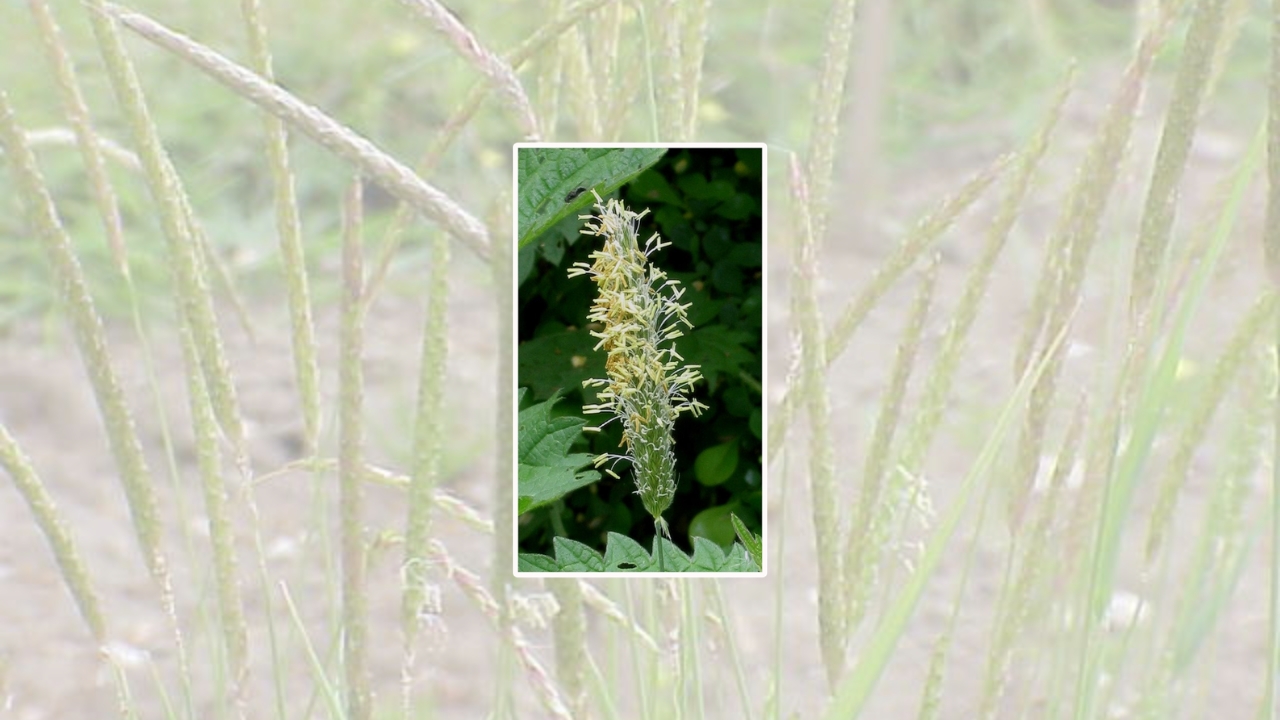
Alopecurus, commonly known as foxtail grass, is a graceful ornamental and pasture grass valued for its soft, plume-like flower heads and adaptable nature. Belonging to the Poaceae family, this genus includes both annual and perennial species that thrive in temperate climates. Gardeners and landscapers appreciate Alopecurus for its natural, meadow-like appearance, which adds movement and texture to outdoor spaces.
Often found in fields, wetlands, and grasslands, Alopecurus species are particularly suited for naturalistic landscaping and ecological gardening. Their ability to blend seamlessly with other plants makes them a popular choice for those looking to create a relaxed, informal garden design.
Choosing the Right Location
Selecting the proper location is essential for successfully growing Alopecurus grass. These grasses generally prefer full sun to partial shade, with at least four to six hours of sunlight per day. While they can tolerate some shade, too little light may reduce their vigor and flowering potential.
Soil conditions also play an important role. Alopecurus thrives best in moist, well-drained soil, although some species can tolerate slightly waterlogged conditions. This makes them ideal for planting near ponds, streams, or low-lying garden areas where moisture tends to accumulate.
It is important to avoid overly dry or compacted soils, as these can limit root development and overall growth. Amending the soil with organic matter such as compost can improve both drainage and nutrient content.
Planting Alopecurus Grass
Planting Alopecurus can be done either by seeds or by dividing established clumps. Seeds are typically sown in early spring or autumn, depending on the climate. For best results, scatter the seeds lightly over prepared soil and press them gently into the surface without burying them too deeply, as they require light for germination.
Water the area consistently after sowing to keep the soil evenly moist. Germination usually occurs within a couple of weeks under favorable conditions.
If you are planting divisions, dig up a mature plant and carefully separate the root clumps. Replant them at the same depth as the original plant, spacing them adequately to allow for growth. This method is faster and ensures more predictable results compared to growing from seed.
Watering and Feeding Requirements
Alopecurus grass prefers consistent moisture, particularly during its active growing season. Regular watering is essential, especially in dry periods, to maintain healthy foliage and encourage flowering. However, care should be taken to avoid overwatering in poorly drained soils, as this can lead to root rot.
In terms of feeding, Alopecurus does not require heavy fertilization. A light application of a balanced fertilizer in early spring is usually sufficient to support growth. Over-fertilizing can lead to excessive foliage at the expense of flower production and may also cause the plants to become floppy.
Mulching around the base of the plants can help retain soil moisture and regulate temperature, creating a more stable environment for growth.
Maintenance and Pruning
One of the appealing qualities of Alopecurus grass is its relatively low maintenance nature. Regular upkeep mainly involves trimming and occasional division to keep the plants healthy and tidy.
After the flowering season, the grass can be cut back to remove spent flower heads and encourage fresh growth. In colder climates, it is often beneficial to leave the foliage standing through winter, as it provides visual interest and protection for the plant. Cutting back can then be done in early spring before new growth begins.
Dividing the plants every few years helps prevent overcrowding and rejuvenates older clumps. This process not only improves plant health but also provides additional plants for propagation.
Common Pests and Problems
Alopecurus grass is generally resistant to most pests and diseases, making it a reliable choice for gardeners seeking low-maintenance plants. However, like all grasses, it may occasionally face issues such as fungal diseases in overly damp conditions.
Ensuring proper spacing and good air circulation can help minimize the risk of disease. Avoid watering late in the day, as prolonged moisture on the leaves can encourage fungal growth.
In some regions, certain Alopecurus species may spread aggressively and behave like weeds. Regular monitoring and timely removal of unwanted seedlings can help keep their growth under control.
Landscaping Uses and Design Ideas
Alopecurus grass is highly valued in landscaping for its soft texture and natural appearance. Its feathery flower spikes sway gently in the breeze, adding movement and a sense of tranquility to garden spaces.
It works particularly well in meadow-style plantings, where it can be combined with wildflowers and other grasses to create a naturalistic look. It is also suitable for borders, where its airy form contrasts beautifully with more structured plants.
In water gardens or damp areas, Alopecurus can be used to soften the edges of ponds and streams. Its tolerance for moist soil makes it a practical and attractive choice for these environments.
For contemporary landscapes, it can be planted in clusters or drifts to create a minimalist yet dynamic visual effect. Its subtle coloration allows it to complement a wide range of plant palettes.
Seasonal Care and Growth Cycle
Understanding the seasonal growth cycle of Alopecurus can help gardeners provide the best care throughout the year. Most species begin active growth in early spring, producing lush green foliage followed by characteristic foxtail-like flower spikes in late spring to early summer.
During the peak growing season, regular watering and minimal feeding will keep the plants looking their best. As temperatures cool in autumn, growth slows down, and the plants begin to prepare for dormancy.
In winter, many perennial species die back above ground while their roots remain alive beneath the soil. Proper seasonal care, including mulching and delayed pruning, helps ensure strong regrowth in the following spring.
Benefits of Growing Alopecurus Grass
Alopecurus offers several benefits beyond its aesthetic appeal. It plays an important role in supporting biodiversity by providing habitat and food for various insects and small wildlife. Its dense growth can also help prevent soil erosion in vulnerable areas.
From a practical standpoint, its adaptability and low maintenance requirements make it an excellent choice for both beginner and experienced gardeners. Whether used in ornamental gardens or ecological landscapes, Alopecurus contributes to a balanced and visually pleasing environment.
Additionally, its natural charm and versatility make it a valuable component in sustainable landscaping practices, where the focus is on creating resilient and environmentally friendly outdoor spaces.
Conclusion
Alopecurus grass is a versatile and attractive addition to any garden or landscape. With its soft, flowing form and ease of care, it offers both beauty and functionality. By choosing the right location, providing consistent moisture, and performing occasional maintenance, gardeners can enjoy the many benefits this grass has to offer.
Whether used in naturalistic plantings, water gardens, or modern designs, Alopecurus brings a sense of movement and harmony that enhances outdoor spaces throughout the seasons.
