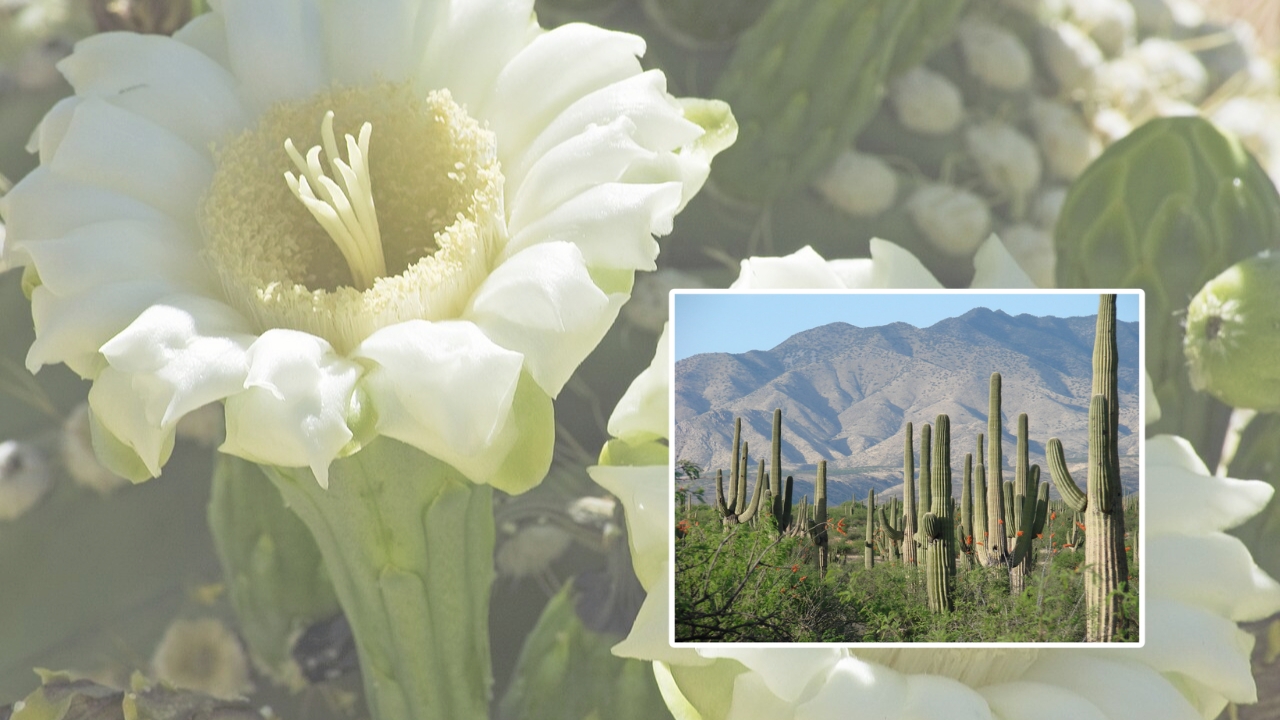
The saguaro cactus is one of the most recognizable desert plants in the world. Native to the Sonoran Desert, this towering cactus is admired for its dramatic shape, slow growth, and incredible lifespan. A mature saguaro can live for more than 150 years and eventually grow iconic arms that make it instantly recognizable in desert landscapes.
Although saguaro cacti naturally thrive in hot, dry environments, many plant enthusiasts successfully grow them in home gardens, containers, and greenhouses. However, these cacti require patience and the right care conditions because they grow extremely slowly, especially during the first decade of life.
Growing a healthy saguaro cactus is not difficult when you understand its natural habitat. Proper sunlight, careful watering, well-draining soil, and protection from excessive moisture are the keys to success. With consistent care and attention, your saguaro cactus can remain healthy for many years.
Choosing the Right Location
Location is one of the most important factors for growing a healthy saguaro cactus. These plants naturally receive intense sunlight for most of the day, so they need a bright environment to thrive.
Outdoor saguaros grow best in warm climates with plenty of direct sunlight. Ideally, they should receive at least six to eight hours of sunlight daily. In cooler regions, placing the cactus in the warmest and sunniest part of the garden helps maintain healthy growth.
If you are growing a saguaro indoors, place it near a south-facing window where it can receive maximum sunlight. Supplemental grow lights may be useful during winter or in homes with limited natural light.
Temperature also matters. Saguaros prefer warm daytime temperatures and low humidity. While mature plants can tolerate short periods of cold weather, young cacti are more sensitive to frost damage. If temperatures drop below freezing, container-grown plants should be moved indoors or protected with frost cloth.
Selecting Healthy Saguaro Plants
Starting with a healthy cactus greatly increases your chances of success. Whether purchasing a young plant from a nursery or growing one from seed, inspect the cactus carefully before planting.
A healthy saguaro should have firm, green skin without soft spots, discoloration, or signs of rot. Wrinkling may indicate dehydration, while black or mushy areas often signal overwatering or disease.
Small saguaros are commonly sold in containers and are easier to establish than larger specimens. Since these cacti grow slowly, younger plants adapt better to new environments and require less transplant stress.
Avoid buying plants with visible pests, broken stems, or fungal spots. Healthy roots are equally important, so check that the soil is not overly wet or compacted.
Best Soil for Saguaro Cactus Growth
Excellent drainage is essential for saguaro cactus care. In their natural habitat, these cacti grow in sandy or rocky desert soils where water drains quickly after rainfall.
Using standard garden soil alone is usually too dense and retains excess moisture, which can lead to root rot. Instead, choose a cactus or succulent mix specifically designed for desert plants. You can also create your own blend by mixing sandy soil, coarse sand, pumice, or perlite.
Containers must have drainage holes to allow excess water to escape. Terracotta pots are often preferred because they help moisture evaporate faster than plastic containers.
When planting outdoors, raised beds or slightly elevated planting areas improve drainage and prevent water from collecting around the roots during rainy periods.
Watering Saguaro Cactus Properly
Overwatering is the most common reason saguaro cacti fail. These plants are adapted to survive long dry periods and store water within their thick stems.
Young saguaros require slightly more water than mature plants, but the soil should still dry completely between watering sessions. During the active growing season in spring and summer, watering every two to four weeks is usually enough, depending on climate and soil conditions.
In fall and winter, reduce watering significantly. Dormant cacti need very little moisture, and excessive watering during cooler months can quickly cause root rot.
When watering, soak the soil thoroughly and allow excess water to drain away completely. Avoid frequent shallow watering because it encourages weak root systems.
Signs of overwatering include yellowing skin, mushy tissue, and black spots near the base. Underwatered plants may appear shriveled or wrinkled but usually recover once properly hydrated.
Sunlight Requirements for Healthy Growth
Saguaro cacti thrive in full sun, but sudden exposure to intense sunlight can damage plants that were previously grown indoors or in shaded conditions.
If moving a cactus outdoors, introduce it gradually to stronger sunlight over several weeks. This process prevents sunburn, which appears as pale or brown patches on the cactus surface.
Young saguaros benefit from partial shade during extreme summer heat, especially in very hot climates. Mature plants tolerate stronger sun exposure once established.
Indoor growers should rotate container plants occasionally so all sides receive even light. Without sufficient sunlight, saguaros may become weak, pale, or elongated as they stretch toward available light.
Fertilizing Saguaro Cactus
Saguaro cacti do not require heavy feeding, but occasional fertilization can encourage healthier growth.
Use a low-nitrogen cactus fertilizer during spring and early summer when the plant is actively growing. Fertilizing once or twice a year is usually sufficient.
Avoid overfertilizing because excessive nutrients can weaken the cactus structure and encourage unnatural growth. Never fertilize during winter dormancy, as the plant is not actively using nutrients at that time.
Organic options such as diluted compost tea can also provide gentle nourishment without overwhelming the plant.
Repotting and Transplanting Tips
Because saguaros grow slowly, they do not need frequent repotting. Most container-grown plants only require a larger pot every few years.
Repotting is best done during warm weather when the cactus is actively growing. Choose a container only slightly larger than the current one to prevent excess soil moisture retention.
Wear thick gloves and use folded newspaper or foam padding to handle the cactus safely. Carefully remove the plant, inspect the roots, and trim away any dead or rotting sections before replanting.
After repotting, wait several days before watering to allow damaged roots time to heal. This reduces the risk of fungal infection and rot.
Outdoor transplanting should also be done carefully. Plant the cactus at the same depth it previously grew and avoid burying the stem too deeply.
Common Problems and Solutions
Although saguaros are hardy plants, they can still face several common problems.
Root rot is the most serious issue and is almost always caused by excess moisture or poor drainage. Preventing overwatering is the best defense.
Pests such as mealybugs, scale insects, and spider mites may occasionally appear, especially on indoor plants. These pests can be removed with cotton swabs dipped in rubbing alcohol or treated with insecticidal soap.
Fungal diseases sometimes develop in humid conditions. Proper airflow, limited watering, and dry soil help prevent infections.
Physical damage from frost, strong winds, or accidental bumps can leave scars on the cactus. Minor scars usually heal naturally, but severe injuries may increase the risk of disease.
Growing Saguaro Cactus from Seeds
Growing saguaros from seeds is rewarding but requires patience because the process is extremely slow.
Start with a shallow tray filled with well-draining cactus soil. Scatter the seeds lightly across the surface and cover them with a thin layer of sand.
Keep the soil slightly moist until germination occurs, which may take several weeks. Warm temperatures and indirect sunlight encourage successful sprouting.
Young seedlings are delicate and should not be exposed to intense direct sunlight immediately. Gradually increase light exposure as they mature.
Even after several years, seed-grown saguaros may remain quite small. However, careful long-term care can eventually produce strong, healthy cacti.
Long-Term Care for Mature Saguaros
Once established, mature saguaro cacti require relatively little maintenance. Their resilience makes them excellent low-maintenance landscape plants in suitable climates.
Regularly inspect the cactus for signs of pests, disease, or structural instability. Keep the surrounding area free of weeds and standing water.
Avoid unnecessary pruning because saguaros naturally maintain their own shape. Damaged sections should only be removed if rot or disease is spreading.
Patience is essential when growing these remarkable plants. Their slow development is part of their beauty, and even small yearly changes become rewarding over time.
With proper sunlight, careful watering, excellent drainage, and protection from extreme conditions, a saguaro cactus can become a stunning and long-lasting addition to your garden or indoor plant collection.
