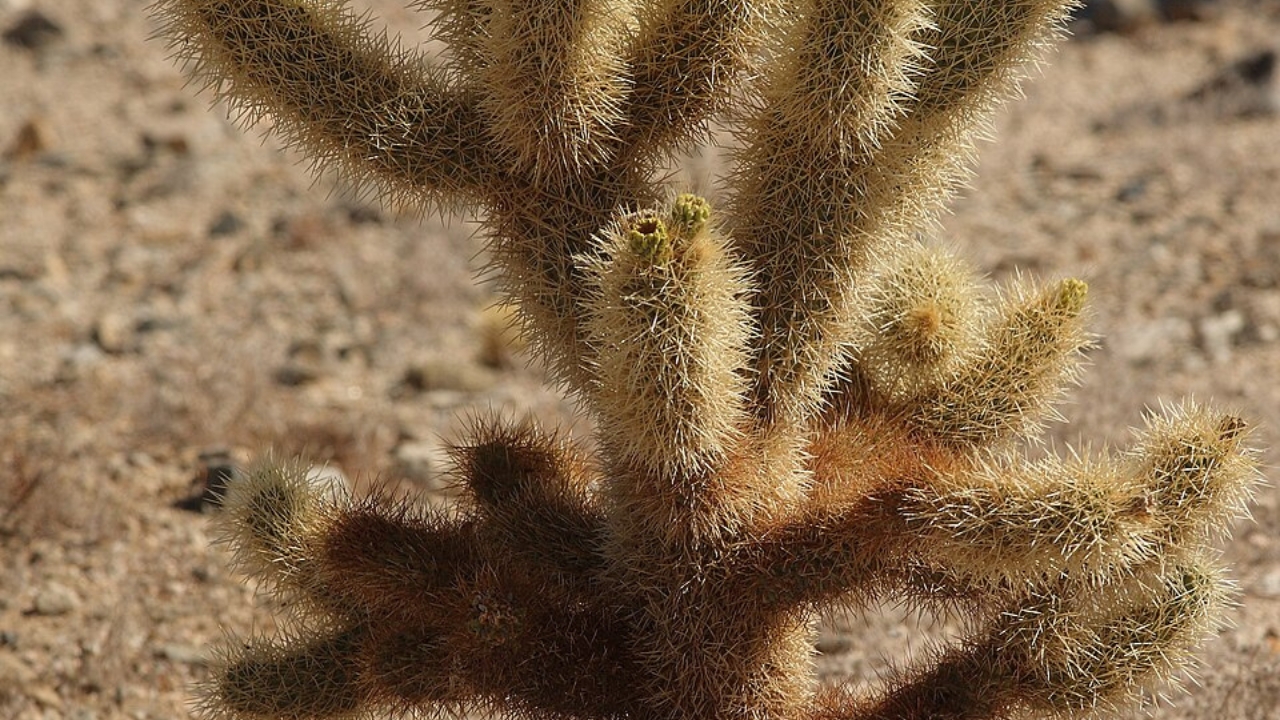
Chollas are distinctive desert cacti known for their segmented stems, dramatic silhouettes, and impressive resilience in dry landscapes. Native primarily to the deserts of the southwestern United States and northern Mexico, these cacti belong to the Cylindropuntia genus and thrive in harsh, sun-drenched environments where many other plants struggle. Their unique branching growth and glowing spines make them popular additions to xeriscape gardens, rock landscapes, and drought-tolerant collections.
Gardeners appreciate chollas not only for their striking appearance but also for their low-maintenance nature. Once established, they require very little water and can tolerate intense heat and poor soils. Some species produce colorful flowers in shades of pink, orange, yellow, or green, followed by decorative fruits that add seasonal interest.
Although they are hardy plants, successful cholla cultivation still requires proper planting techniques, careful handling, and an understanding of their environmental needs. Learning how to grow and propagate them correctly can help ensure healthy growth and long-lasting beauty.
Choosing the Right Cholla Variety
There are many types of chollas, each with slightly different growth habits, sizes, and spine patterns. Selecting the right variety depends on your climate, available space, and landscaping goals.
Chain fruit cholla is recognized for its dangling chains of fruit and dramatic branching. Teddy bear cholla has a soft-looking appearance due to its dense golden spines, although the spines are extremely sharp. Buckhorn cholla develops thick, branching stems that resemble antlers, making it a favorite for desert-themed gardens. Pencil cholla grows in thinner, upright stems and works well in modern xeriscape designs.
When choosing a plant, inspect it carefully for signs of disease or rot. Healthy chollas should have firm stems without mushy spots or discoloration. If purchasing from a nursery, ask whether the variety is suited for your local climate, especially if winter temperatures regularly fall below freezing.
Ideal Growing Conditions for Chollas
Chollas grow best in conditions that mimic their natural desert habitat. Full sunlight is essential, and most varieties require at least six to eight hours of direct sun daily. Insufficient sunlight can cause weak growth, pale coloring, and poor flowering.
Well-draining soil is equally important. Chollas are highly susceptible to root rot if left in wet or compacted soil for long periods. Sandy or rocky soils are ideal because they allow excess moisture to drain quickly. If your garden soil is heavy clay, consider amending it with coarse sand, gravel, or pumice to improve drainage.
These cacti thrive in warm temperatures and low humidity. While many species tolerate mild frost, prolonged freezing conditions can damage stems and roots. In colder regions, gardeners often grow chollas in containers so they can be protected during harsh winters.
Good airflow around the plant also helps prevent fungal problems and moisture buildup. Avoid overcrowding your garden space with dense vegetation around the cactus.
Step-by-Step Guide to Planting Chollas
Planting chollas properly gives them the strongest possible start. Because the spines detach easily and can stick painfully to skin, always wear thick gloves and use tongs or folded newspaper when handling the plant.
Begin by selecting a sunny planting location with excellent drainage. Dig a hole that is slightly wider than the root ball but not significantly deeper. If drainage is poor, create a raised mound or bed to keep roots elevated above wet soil.
Carefully place the cholla into the hole and backfill with a cactus-friendly soil mix. Avoid burying the stem too deeply because excess moisture around the base can lead to rot. Once planted, lightly firm the soil to stabilize the cactus.
After planting, wait several days before watering. This allows any damaged roots to heal and reduces the risk of fungal infections. Once established, chollas typically require infrequent watering.
Container planting follows the same principles. Choose a pot with large drainage holes and use a gritty cactus mix designed for succulents. Terracotta pots are especially helpful because they allow moisture to evaporate more efficiently than plastic containers.
Watering Chollas the Right Way
One of the most common mistakes with cholla care is overwatering. These desert plants are adapted to survive long periods without rainfall and store water efficiently within their stems.
During the active growing season in spring and summer, water deeply but infrequently. Allow the soil to dry out completely between watering sessions. Depending on your climate, this may mean watering every two to three weeks for outdoor plants.
In autumn and winter, reduce watering significantly. Dormant chollas need very little moisture, and wet soil during cooler temperatures can quickly cause root problems.
Container-grown chollas may need slightly more frequent watering because pots dry out faster than garden soil. However, the same rule applies: never water while the soil is still damp.
Signs of overwatering include yellowing stems, soft patches, black spots, and collapsing growth. Underwatered chollas may appear shriveled, although they generally recover quickly once watered properly.
Fertilizing and Feeding Requirements
Chollas are not heavy feeders, but occasional fertilization can encourage healthier growth and flowering. Use a diluted cactus fertilizer during the spring growing season, preferably one that is low in nitrogen. Excess nitrogen can produce weak, overly soft growth that is more vulnerable to disease.
Fertilizing once or twice during active growth is usually sufficient. Avoid feeding during winter dormancy because the plant is not actively growing and excess nutrients may stress the roots.
Organic options such as compost tea or diluted fish emulsion can also be used sparingly, though synthetic cactus fertilizers are often more predictable in nutrient balance.
Healthy soil, proper sunlight, and controlled watering generally contribute more to cholla success than frequent feeding.
Pruning and General Maintenance
Chollas require very little pruning, but occasional maintenance helps keep them healthy and attractive. Remove damaged, diseased, or dead segments using sterilized pruning tools and protective gloves.
Because detached joints root easily, fallen segments should be cleared away if you do not want the cactus spreading naturally throughout the garden. Some gardeners intentionally allow fallen joints to root and form natural desert clusters.
Inspect the plant periodically for pests such as scale insects or mealybugs. These pests may appear as white cottony patches or small bumps attached to stems. Minor infestations can often be treated with cotton swabs dipped in rubbing alcohol or insecticidal soap designed for cacti.
Weeds should also be removed around the base of the plant because they compete for nutrients and can trap unwanted moisture near the roots.
Propagating Chollas from Cuttings
Propagation is one of the easiest and most rewarding aspects of growing chollas. Most species reproduce readily from stem segments, making it simple to expand your collection or share plants with others.
To propagate a cholla, select a healthy stem segment using tongs or thick gloves. Detach the segment carefully and place it in a dry, shaded area for several days. This resting period allows the cut end to form a callus, which helps prevent rot after planting.
Once callused, prepare a container or garden area with well-draining cactus soil. Insert the cut end of the segment slightly into the soil so it remains upright. Do not water immediately after planting.
After about one week, begin watering lightly and infrequently. Roots usually begin developing within several weeks, especially during warm weather. Once rooted, the cutting can be treated like a mature cholla.
Propagation from seed is also possible, though it is much slower and less commonly used by home gardeners.
Common Problems and How to Prevent Them
Despite their toughness, chollas can still experience a few common problems. Root rot remains the biggest threat and is almost always linked to poor drainage or excessive watering. Prevention is far easier than treatment, so always prioritize dry conditions and fast-draining soil.
Sunburn can occasionally affect plants that are suddenly moved from shade into intense sunlight. Introduce young or indoor-grown plants gradually to full sun exposure.
Cold damage may appear as blackened or mushy stems after freezing temperatures. In regions with severe winters, protective coverings or container relocation may be necessary.
Pests are generally minimal but should still be monitored. Healthy plants grown in proper conditions are naturally more resistant to infestations and disease.
Growing Chollas in Landscape Design
Chollas make exceptional focal points in drought-tolerant landscapes. Their sculptural form pairs beautifully with rocks, agaves, yuccas, and other desert plants. Taller species can create dramatic vertical accents, while smaller varieties add texture and visual contrast.
Because many chollas develop glowing spines that catch morning or evening light, positioning them where sunlight highlights their structure can dramatically enhance the garden’s appearance.
They also work well in wildlife-friendly gardens. Birds often perch or nest among the protective spines, and pollinators are attracted to the flowers during blooming seasons.
When designing with chollas, always leave enough walking space around the plants. Their spines can easily snag clothing or skin if planted too close to pathways or seating areas.
Final Thoughts on Successful Cholla Growing
Growing chollas can be surprisingly simple when their desert origins are understood and respected. These resilient cacti reward gardeners with dramatic shapes, colorful blooms, and minimal maintenance requirements. By providing full sun, excellent drainage, careful watering, and occasional attention, you can enjoy healthy chollas for many years.
Whether planted in a dry landscape garden or displayed in containers, chollas bring a bold desert character that few plants can match. With proper propagation techniques, you can also expand your collection
