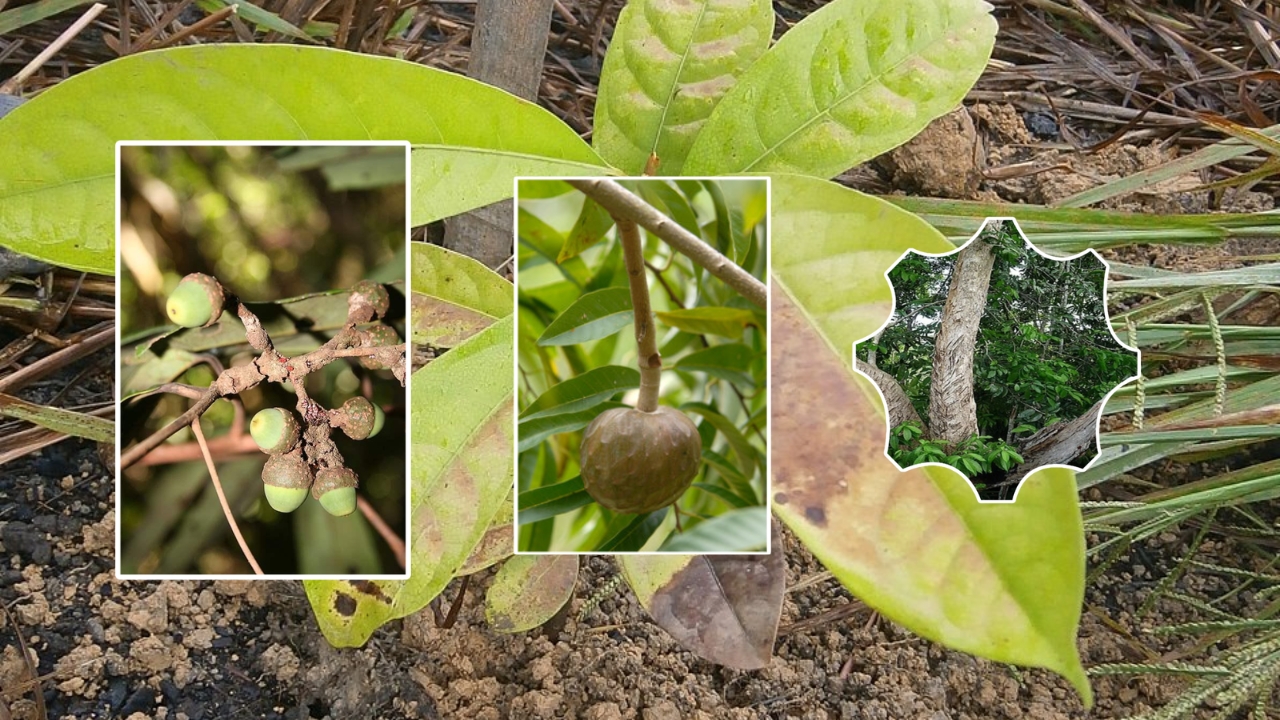
Aniba Plant Care Guide: The Aniba plant belongs to a group of tropical evergreen trees known for their aromatic properties and attractive foliage. Native primarily to South America, particularly regions of the Amazon rainforest, species within the Aniba genus have long been valued for their fragrant oils, ornamental qualities, and ecological importance. One of the most widely known species is Aniba rosaeodora, often called the rosewood tree, which is famous for producing rosewood essential oil.
For gardeners and plant enthusiasts interested in cultivating unique tropical plants, Aniba offers an exciting opportunity. While it is not commonly grown in typical home gardens, it can thrive successfully when provided with the right conditions. Growing Aniba requires attention to climate, soil, moisture, and proper care routines, but with patience and understanding, it can develop into a beautiful and rewarding plant.
Understanding the plant’s natural habitat is the first step toward successful cultivation. Since Aniba species originate from warm, humid forests, recreating similar environmental conditions is essential for healthy growth.
Understanding the Natural Growing Conditions
Aniba plants grow naturally in tropical rainforest environments where temperatures remain warm throughout the year and humidity levels stay consistently high. In their native habitat, these trees often grow beneath taller forest canopies during their early stages, receiving filtered sunlight and protection from harsh conditions.
The climate plays a major role in determining whether Aniba can grow outdoors. These plants prefer temperatures between 20°C and 30°C and do not tolerate frost or extreme cold. In regions with cooler climates, gardeners may need to grow Aniba in large containers so the plant can be moved indoors during colder seasons.
Humidity is another critical factor. Since rainforest environments maintain high moisture in the air, Aniba plants thrive when humidity levels remain above average. Dry air can slow growth and cause leaf stress, so gardeners often use misting or humidity trays when growing the plant indoors.
By closely matching these natural conditions, growers can create a supportive environment that encourages strong development.
Choosing the Right Soil for Aniba
Soil quality significantly influences the health of an Aniba plant. In the wild, these trees grow in rich, organic forest soil that drains well while still retaining enough moisture to support steady root growth.
For successful cultivation, the soil should be loose, fertile, and well-draining. A mixture containing garden soil, compost, and sand or perlite works well to replicate natural forest conditions. The organic component provides nutrients, while the sand or perlite improves drainage and prevents waterlogging.
Waterlogged soil can damage roots and increase the risk of root rot, which is one of the most common problems faced by growers. Ensuring the soil drains efficiently while maintaining moderate moisture helps the plant remain healthy.
Adding compost or organic matter periodically also enriches the soil and provides a steady supply of nutrients needed for long-term growth.
Light Requirements for Healthy Growth
Light is an essential factor for plant development, but Aniba plants prefer indirect or filtered sunlight rather than harsh direct exposure. In their natural rainforest habitat, young trees grow under the canopy of taller trees where sunlight is diffused.
When grown in gardens, the plant performs best in partial shade or bright indirect light. Too much direct sunlight can scorch the leaves, especially in very hot climates. On the other hand, insufficient light may slow growth and reduce leaf density.
Indoor growers should place the plant near a bright window that receives gentle sunlight. East-facing windows often provide suitable light conditions. If natural light is limited, supplemental grow lights may help maintain healthy growth.
Balancing light exposure allows the plant to photosynthesize effectively without experiencing stress.
Watering the Aniba Plant Properly
Consistent watering is important for maintaining the health of an Aniba plant. Since these trees originate from moist rainforest environments, they prefer soil that remains slightly moist but never soggy.
The key is to water deeply while allowing the top layer of soil to dry slightly between watering sessions. Overwatering can suffocate roots and lead to fungal diseases, while underwatering may cause leaf drop or slow growth.
During warmer months or active growing seasons, the plant may require more frequent watering. In cooler months or periods of slower growth, watering frequency can be reduced.
Observing the plant regularly helps determine its needs. Healthy leaves and steady growth usually indicate that the watering routine is balanced.
Temperature and Humidity Needs
Temperature stability plays a vital role in the success of growing Aniba. These plants thrive in warm environments and should ideally be kept in conditions similar to tropical climates.
Temperatures between 20°C and 30°C support healthy development. Exposure to temperatures below 15°C may cause stress or growth problems. Frost is particularly harmful and can severely damage the plant.
Humidity is equally important. When humidity levels are low, leaf edges may dry out or curl. Increasing humidity through regular misting, using humidifiers, or placing water trays near the plant can help maintain suitable conditions.
Outdoor plants in tropical or subtropical regions typically receive enough natural humidity, while indoor plants often need additional moisture support.
Fertilizing for Strong Development
Aniba plants benefit from regular feeding during their active growing period. Fertilizers supply essential nutrients that promote leaf growth, root strength, and overall vitality.
A balanced organic fertilizer or diluted liquid fertilizer works well when applied every few weeks during spring and summer. These nutrients encourage steady growth and help the plant maintain vibrant foliage.
During autumn and winter, growth usually slows, and fertilizing can be reduced or paused. Overfertilizing during this period may lead to nutrient buildup in the soil.
Organic compost or natural fertilizers are often preferred by many gardeners because they improve soil health while gradually releasing nutrients.
Pruning and Maintenance
Pruning helps maintain the plant’s shape and encourages healthy branching. While Aniba trees can grow quite large in natural environments, controlled pruning allows gardeners to manage the plant’s size when grown in gardens or containers.
Removing dead, damaged, or weak branches improves air circulation and reduces the risk of disease. Light pruning also helps stimulate new growth and keeps the plant looking neat and balanced.
Maintenance tasks such as cleaning leaves, checking soil moisture, and monitoring growth patterns help ensure the plant remains healthy. Regular observation allows gardeners to detect potential problems early and respond quickly.
Common Pests and Plant Problems
Like many tropical plants, Aniba may occasionally face issues with pests or diseases. Common pests include aphids, spider mites, and scale insects, especially when the plant is grown indoors or in dry environments.
Regularly inspecting leaves and stems helps identify infestations early. Washing leaves with water or using mild organic insecticidal solutions can control most pest problems.
Fungal diseases may occur if the soil remains excessively wet or if airflow around the plant is poor. Ensuring proper drainage and maintaining balanced watering habits significantly reduces the risk of these issues.
Healthy plants grown in suitable conditions are generally more resistant to pests and diseases.
Propagation Methods for Aniba
Propagation allows gardeners to grow new Aniba plants from existing ones. One common method is growing from seeds, although seeds may require warm temperatures and patience to germinate successfully.
Another method involves stem cuttings. Healthy cuttings taken from mature plants can be placed in moist soil or rooting medium until new roots develop. Maintaining warmth and humidity during this process increases the chances of successful propagation.
Propagation can be a rewarding way to expand a plant collection or share the plant with other gardening enthusiasts.
Benefits of Growing Aniba
Beyond its ornamental appeal, Aniba plants offer several interesting benefits. Some species are valued for their aromatic oils, which have historically been used in perfumes and fragrances. The pleasant scent associated with certain varieties makes them unique additions to tropical gardens.
Additionally, growing rare tropical plants like Aniba contributes to biodiversity awareness and appreciation for rainforest species. Cultivating these plants responsibly can help gardeners better understand the importance of tropical ecosystems.
The plant’s attractive leaves and natural elegance also make it a striking decorative feature in botanical gardens or specialized plant collections.
Final Thoughts on Growing Aniba
Growing Aniba successfully requires patience, attention to environmental conditions, and consistent care. By replicating the warm, humid environment of its natural rainforest habitat, gardeners can help the plant thrive both indoors and outdoors.
Providing well-draining soil, indirect sunlight, balanced watering, and regular maintenance forms the foundation of proper care. With time, the plant can develop into a beautiful tropical specimen that enhances any garden space.
For plant enthusiasts seeking something unusual and rewarding, Aniba represents a fascinating choice. With the right knowledge and dedication, cultivating this tropical tree can become a deeply satisfying gardening experience.
