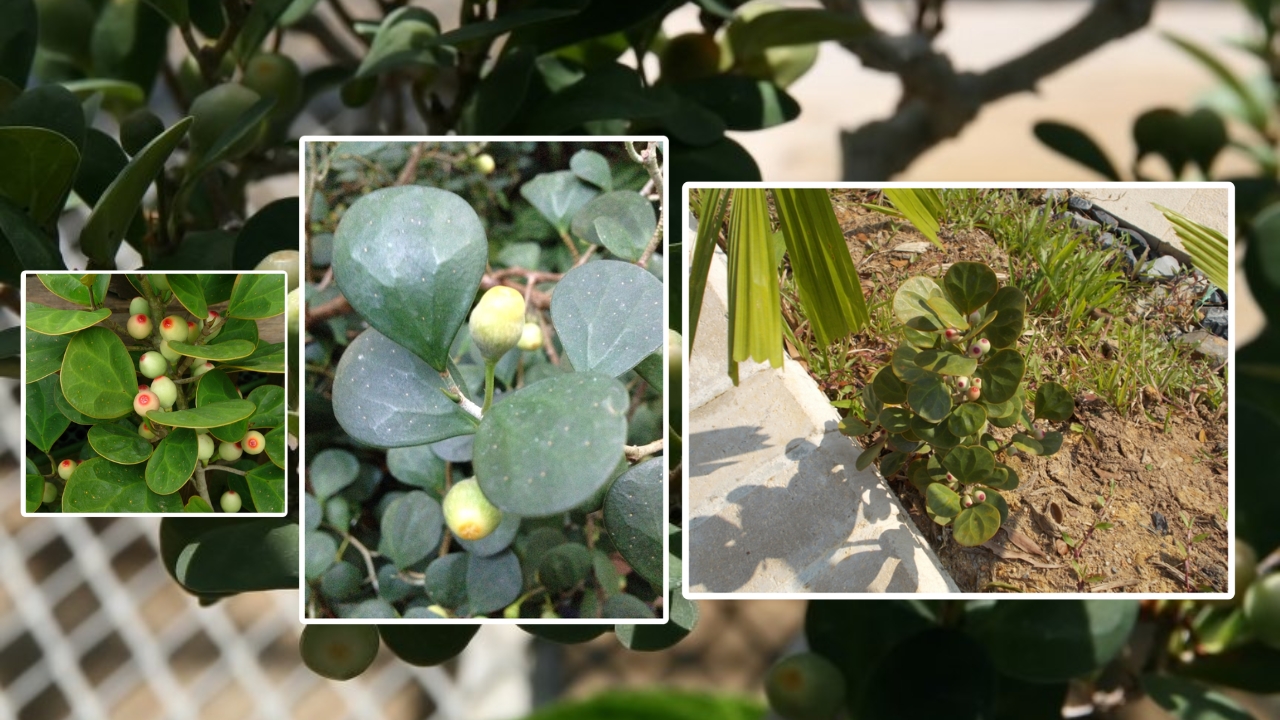
Ficus deltoidea, commonly known as mistletoe fig, is a charming tropical plant admired for its thick, glossy leaves and compact growth habit. Native to Southeast Asia, this evergreen shrub has become increasingly popular among plant lovers because of its ornamental appeal and relatively easy care requirements. Its small, rounded leaves often display a unique dotted pattern underneath, adding to its visual interest.
This plant is not just decorative. In many cultures, it is also valued for its traditional medicinal uses. However, for most home gardeners, its beauty and low-maintenance nature are reason enough to include it in indoor or outdoor plant collections.
Growing Ficus deltoidea successfully requires understanding its natural habitat and replicating those conditions as closely as possible. With the right care and attention, this plant can thrive and remain a long-lasting addition to your green space.
Ideal Growing Conditions
Ficus deltoidea prefers warm and humid environments, making it well-suited for tropical and subtropical climates. If you are growing it indoors, placing it near a bright window with indirect sunlight is ideal. Direct sunlight can scorch the leaves, while too little light may slow its growth.
Temperature plays a crucial role in its health. The plant thrives best in temperatures ranging between 18°C and 30°C. It does not tolerate cold conditions well, so it should be protected from drafts and sudden temperature drops.
Humidity is another important factor. While it can adapt to average indoor humidity, higher humidity levels promote better growth and healthier foliage. If your indoor air is dry, occasional misting or placing a humidity tray nearby can help maintain the desired moisture levels.
The soil should be well-draining yet capable of retaining some moisture. A mix of garden soil, cocopeat, and perlite works well to provide the right balance of aeration and water retention.
Watering Requirements
Proper watering is key to keeping your Ficus deltoidea healthy. This plant prefers slightly moist soil but does not tolerate waterlogging. Overwatering is one of the most common mistakes and can lead to root rot.
A good practice is to allow the top layer of soil to dry out before watering again. Insert your finger into the soil about an inch deep. If it feels dry, it is time to water. During warmer months, you may need to water more frequently, while in cooler seasons, watering should be reduced.
Always ensure that the pot has drainage holes to allow excess water to escape. Standing water in the pot can quickly damage the roots and weaken the plant.
Fertilization and Feeding
Ficus deltoidea benefits from regular feeding during its active growing season, which typically occurs in spring and summer. A balanced liquid fertilizer applied every two to four weeks can support healthy growth and vibrant foliage.
Avoid over-fertilizing, as this can cause salt buildup in the soil and damage the roots. During the dormant period in autumn and winter, feeding can be reduced or stopped altogether since the plant’s growth slows down.
Organic options such as compost or vermicompost can also be used to enrich the soil naturally. These not only provide nutrients but also improve soil structure over time.
Pruning and Maintenance
Pruning helps maintain the shape and size of your Ficus deltoidea while encouraging bushier growth. Regular trimming of leggy or overgrown branches keeps the plant compact and attractive.
It is best to prune during the growing season when the plant can recover quickly. Always use clean and sharp tools to prevent infections. Removing dead or yellowing leaves is also important to keep the plant healthy.
Occasionally wiping the leaves with a damp cloth helps remove dust and allows the plant to photosynthesize more efficiently. This simple step can significantly improve its overall appearance.
Common Pests and Problems
Like many indoor plants, Ficus deltoidea can sometimes attract pests such as spider mites, aphids, and mealybugs. These pests can damage the leaves and weaken the plant if not treated promptly.
Regular inspection is the best way to catch infestations early. If pests are found, they can often be removed using a gentle spray of water or treated with neem oil or insecticidal soap.
Yellowing leaves may indicate overwatering, while drooping leaves can be a sign of underwatering or sudden environmental changes. Understanding these signals helps you adjust your care routine accordingly.
Propagation Methods
Propagating Ficus deltoidea is a rewarding way to expand your plant collection or share it with others. The most common method is through stem cuttings.
To propagate, select a healthy stem with several leaves and cut it just below a node. Remove the lower leaves and place the cutting in water or directly into moist soil. If using water, wait until roots develop before transferring it to soil.
Keep the cutting in a warm, humid environment with indirect light. Rooting may take a few weeks, so patience is important. Covering the cutting with a plastic bag can help maintain humidity and improve success rates.
Another method is air layering, which involves encouraging roots to grow on a branch while it is still attached to the parent plant. Once roots form, the branch can be cut and planted separately.
Repotting Guidelines
Ficus deltoidea does not require frequent repotting, but it should be done when the plant becomes root-bound or outgrows its container. Typically, repotting every two to three years is sufficient.
Choose a pot that is slightly larger than the current one and ensure it has proper drainage. Carefully remove the plant, loosen the roots, and place it in fresh soil. Water thoroughly after repotting to help the plant settle.
Repotting is best done during the growing season, as the plant can recover more quickly during this time.
Benefits of Growing Ficus deltoidea
Apart from its decorative appeal, Ficus deltoidea offers several benefits. It can enhance indoor air quality and create a calming environment. Its compact size makes it suitable for small spaces, including apartments and offices.
In traditional practices, parts of the plant have been used for herbal remedies, although such uses should be approached with caution and proper knowledge.
Caring for this plant can also be a relaxing and fulfilling hobby. Watching it grow and thrive adds a sense of satisfaction and connection with nature.
Conclusion
Ficus deltoidea is a beautiful and resilient plant that can thrive with minimal care when its basic needs are met. By providing the right balance of light, water, humidity, and nutrients, you can enjoy its lush foliage for years to come.
Whether you are a beginner or an experienced gardener, this plant is a great addition to your collection. With proper care and simple propagation techniques, you can easily multiply your plants and share their beauty with others.
