

Join on WhatsApp
Get the latest updates directly on WhatsApp – motivation, news & more!
 Join On WhatsApp
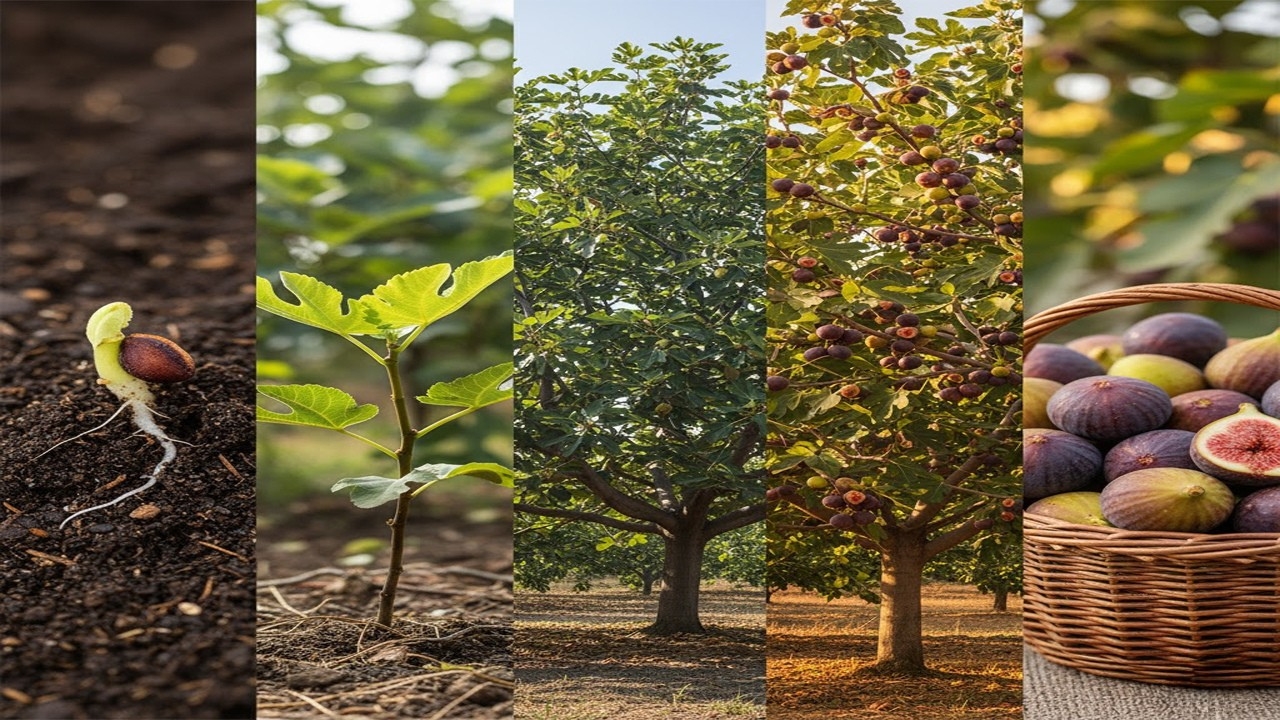
Fig trees, scientifically known as Ficus carica, are among the oldest cultivated fruit trees in the world. Native to the Mediterranean and Western Asia, figs have been cherished for their sweet, honey-like flavor and nutritional richness for thousands of years. Today, they are grown in gardens and orchards across the globe, valued not only for their delicious fruit but also for their ornamental appeal. With their large, lobed leaves and spreading canopy, fig trees bring both beauty and productivity to home gardens.
Choosing the Right Variety of Fig
There are many varieties of fig trees, each with unique characteristics. Popular types include Brown Turkey, known for its hardiness and abundant fruiting; Celeste, which produces small, sweet fruits; Kadota, a green-skinned variety often used for drying; and Black Mission, prized for its rich flavor. In cooler climates, cold-hardy varieties are available that can withstand lower temperatures with proper care. Selecting the right variety depends on your climate, soil, and whether you prefer fresh eating, drying, or preserving.
Preparing Soil and Location for Cultivation
Figs thrive in well-drained soil with a slightly acidic to neutral pH, ideally between 6.0 and 6.5. Sandy loam enriched with organic matter is ideal, but figs are adaptable and can grow in less-than-perfect soils if drainage is adequate. Choose a sunny location where the tree will receive at least six to eight hours of direct sunlight daily. In colder regions, planting near a south-facing wall can provide extra warmth and protection. Mulching around the base of the tree helps retain soil moisture, regulate temperature, and suppress weeds.
Planting Fig Trees at Home
Fig trees can be planted in the ground or grown in large containers. Container planting is especially useful in regions with harsh winters, as the tree can be moved indoors for protection. When planting in the ground, dig a hole twice as wide as the root ball and just as deep. Place the tree in the hole, backfill with soil mixed with compost, and water thoroughly. Space multiple trees at least 3 to 5 meters apart to allow for their spreading growth habit.
Watering and Irrigation Practices
Young fig trees require consistent watering to establish strong roots. Water deeply two to three times per week during the first growing season, ensuring the soil remains moist but not waterlogged. Mature trees are drought-tolerant but benefit from deep watering during dry spells, especially when fruits are developing. Overwatering should be avoided, as figs dislike soggy soil and may develop root rot. Mulching helps conserve moisture and reduces the need for frequent watering.
Fertilization and Nutrient Management
Figs are relatively light feeders compared to other fruit trees. Apply a balanced fertilizer in early spring to encourage healthy growth. Too much nitrogen should be avoided, as it promotes leafy growth at the expense of fruit production. Instead, focus on balanced nutrients that support both foliage and fruiting. Organic compost, well-rotted manure, or natural fertilizers are excellent choices for long-term soil health. Fertilize again in midsummer if growth appears weak, but avoid late-season fertilization, which can encourage tender growth vulnerable to frost.
Pruning and Training Fig Trees
Pruning is essential for maintaining the shape, size, and productivity of fig trees. The best time to prune is in late winter when the tree is dormant. Remove dead, diseased, or crossing branches to improve airflow and sunlight penetration. Training the tree to have an open center or vase shape allows light to reach all parts of the canopy, resulting in better fruit quality. Pruning also helps keep the tree at a manageable height, making harvesting easier.
Propagation Methods for Fig Trees
Figs can be propagated through seeds, cuttings, or air layering. While growing from seeds is possible, it is not recommended for home gardeners, as seed-grown trees may not produce true-to-type fruit. Hardwood cuttings taken in late winter are the most common method, as they root easily and produce reliable plants. Air layering is another effective technique, where a branch is encouraged to form roots while still attached to the parent tree before being separated and planted. Grafted plants are also available from nurseries, offering specific varieties with desirable traits.
Flowering and Fruiting Cycle
Figs are unique in that the fruit develops from an inverted flower structure called a syconium. Depending on the variety and climate, fig trees may produce one or two crops per year. The first crop, known as the breba crop, develops on the previous year’s growth, while the main crop grows on new shoots. Fruits are ready for harvest when they droop slightly, feel soft to the touch, and may exude a drop of nectar at the base.
Harvesting and Storage of Figs
Harvesting figs requires gentle handling, as the fruits are delicate and bruise easily. Pick them when fully ripe, as figs do not continue to ripen once harvested. Fresh figs should be consumed within a few days or refrigerated to extend their shelf life. They can also be dried, frozen, or preserved in jams and jellies for long-term use. Dried figs are a traditional way of enjoying the fruit year-round, while fresh figs are best enjoyed straight from the tree.
Pest and Disease Management
Fig trees are generally hardy but may face challenges from pests such as aphids, scale insects, and spider mites. Birds are also fond of ripe figs and may require protective netting. Common diseases include rust, leaf spot, and root-knot nematodes. Preventive measures include proper spacing, pruning for airflow, and avoiding overwatering. Organic sprays such as neem oil can help manage minor infestations, while maintaining healthy soil and balanced nutrition strengthens the tree’s natural resistance.
Growing Figs in Containers
For gardeners with limited space or those in colder climates, growing figs in containers is an excellent option. Choose a large pot with good drainage and use a high-quality potting mix enriched with compost. Container-grown figs require more frequent watering and fertilization than those planted in the ground. In winter, move the container to a sheltered location, such as a garage or greenhouse, to protect the tree from frost. With proper care, container figs can be just as productive as those grown in the ground.
Benefits of Growing Fig Trees at Home
Figs are not only delicious but also highly nutritious, providing fiber, vitamins, and minerals. Growing your own fig tree ensures a fresh supply of fruit free from chemicals and preservatives. The tree itself adds beauty to the garden with its broad leaves and graceful form. Beyond their culinary uses, figs have been valued in traditional medicine for their digestive and health benefits. Cultivating figs at home combines sustainability, nutrition, and the joy of harvesting your own fruit.
Conclusion
Growing fig trees at home is a rewarding experience that blends history, nutrition, and natural beauty. With proper care, including soil preparation, watering, fertilization, pruning, and pest management, fig trees can thrive in a variety of conditions. Whether planted in the ground or grown in containers, figs adapt well and provide abundant harvests. By cultivating figs, you not only enjoy their sweet fruits but also contribute to a healthier lifestyle and a greener environment.