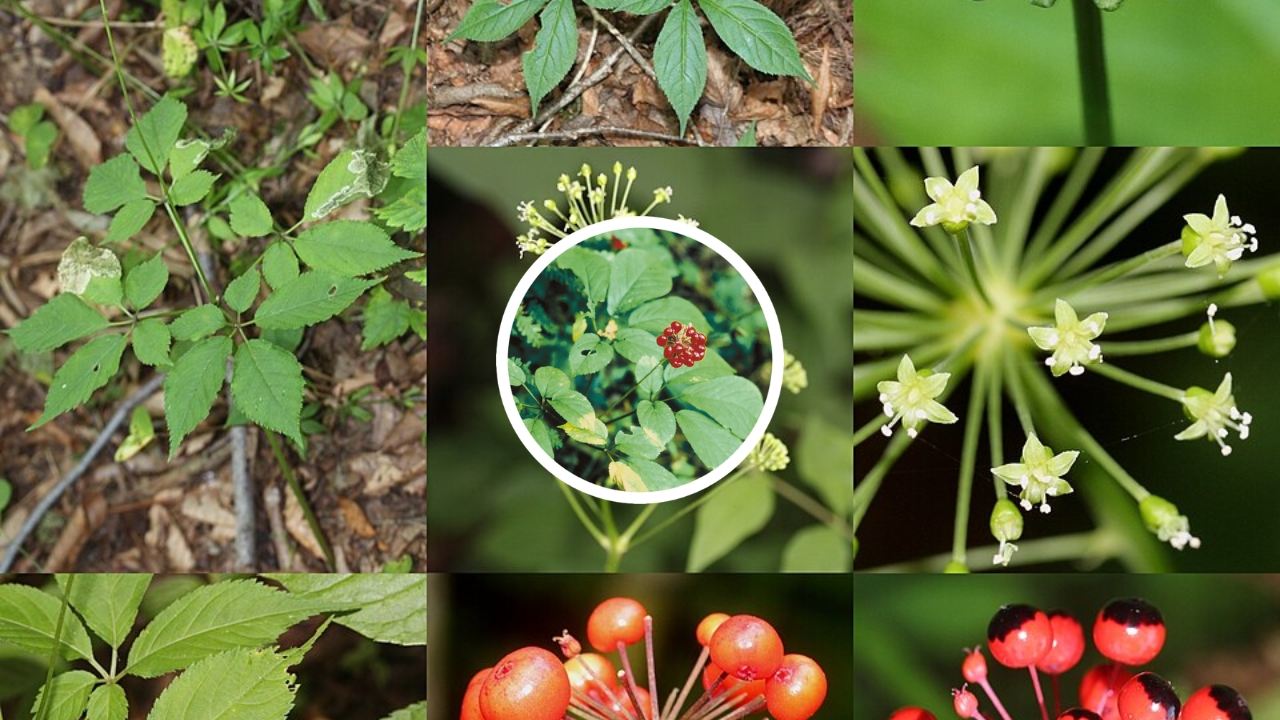
Ginseng is one of the most famous medicinal herbs in the world, valued for centuries in traditional herbal medicine. Known for its slow growth and powerful roots, this plant is widely used in health supplements, teas, and natural remedies. The roots are believed to support energy, immunity, mental clarity, and overall well-being. Because of its high demand and limited natural supply, ginseng has become a profitable crop for farmers and gardeners who are willing to invest patience into its cultivation.
Native mainly to North America and parts of Asia, ginseng grows naturally in cool forest environments with rich soil and heavy shade. While it may seem like a challenging plant to cultivate, beginners can successfully grow it by understanding its natural habitat and replicating similar conditions in their garden or farm. With the right preparation and care, ginseng can become both a rewarding and valuable crop.
Understanding the Different Types of Ginseng
Before planting ginseng, it is important to understand the different varieties available. The two most commonly cultivated types are American ginseng and Asian ginseng. American ginseng is typically grown in the United States and Canada and is highly valued in international markets, particularly in Asia. It tends to have a milder flavor and is often used in herbal remedies.
Asian ginseng, on the other hand, is traditionally grown in countries such as China and Korea. It is considered more stimulating and has been widely used in traditional medicine for thousands of years. While both types share similar growing requirements, American ginseng is usually preferred for cultivation in forest gardens and shaded landscapes in many parts of the world.
Choosing the right variety depends on your climate, soil conditions, and the purpose for which you plan to grow the plant.
Ideal Climate and Growing Conditions
Ginseng grows best in cool, temperate climates with plenty of shade. In its natural environment, the plant thrives under hardwood forests where sunlight is filtered through the tree canopy. This shaded condition protects the delicate leaves from direct sunlight and helps maintain soil moisture.
The ideal temperature range for ginseng cultivation is between 10°C and 25°C. The plant requires cold winters to enter dormancy and healthy spring growth. Areas with excessive heat or strong sunlight are generally unsuitable unless artificial shade is provided.
Humidity and rainfall also play an important role in successful cultivation. Ginseng prefers moderate rainfall and well-drained soil that remains consistently moist but never waterlogged. Replicating a forest-like environment is often the key to growing strong, healthy plants.
Soil Preparation for Successful Growth
Proper soil preparation is essential for growing ginseng successfully. The plant prefers loose, well-drained soil rich in organic matter. Forest soils with decaying leaves, compost, and natural nutrients create the ideal environment for root development.
A slightly acidic soil with a pH between 5.5 and 6.5 is considered ideal. Heavy clay soils or compacted ground should be avoided because they restrict root growth and increase the risk of disease. Adding organic compost, leaf mold, and aged mulch can improve soil structure and fertility.
Before planting, the soil should be carefully cleared of weeds and debris. Many growers also create raised beds to improve drainage and reduce the chances of root rot. Proper soil preparation at the beginning can significantly improve the success rate of ginseng cultivation.
Planting Ginseng Seeds or Roots
Ginseng can be grown either from seeds or young rootlets. Seeds are the most common and economical method, although they require patience because the plant grows slowly. Fresh seeds usually need a process called stratification, which involves exposure to cold temperatures before they can germinate.
Seeds are typically planted in the fall, allowing them to remain in the soil throughout winter and sprout in spring. They should be placed about one inch deep in the soil and spaced several inches apart to allow proper root development.
Rootlets offer a faster option since they are already partially developed plants. These can be planted directly in prepared beds during the dormant season. Regardless of the method used, maintaining proper shade and moisture is critical during the early stages of growth.
Watering and Mulching Techniques
Ginseng requires consistent moisture, but excessive watering can be harmful. The goal is to keep the soil evenly moist without creating soggy conditions. In forest environments, fallen leaves naturally help regulate soil moisture, which is why mulching is highly recommended.
Applying a layer of leaf mulch, straw, or natural compost around the plants helps retain moisture, suppress weeds, and regulate soil temperature. Mulch also mimics the natural forest floor where ginseng grows best.
Watering should be done carefully, especially during dry periods. Overwatering can cause fungal diseases and root rot, which are common problems in ginseng cultivation. Maintaining balanced moisture levels is one of the most important aspects of plant care.
Managing Pests and Diseases
Although ginseng is relatively hardy in the right environment, it can still be affected by pests and diseases. Fungal infections are among the most common problems, particularly in areas with poor air circulation or overly wet soil.
Diseases such as root rot and leaf blight can damage plants if not managed properly. Preventive measures include proper spacing between plants, good drainage, and avoiding excessive watering.
Common pests include slugs, snails, and small insects that feed on the leaves. These can usually be controlled through natural methods such as manual removal, organic pest control solutions, or maintaining a clean growing area. Healthy soil and balanced growing conditions significantly reduce the risk of pest problems.
Growth Stages and Plant Development
Ginseng is a slow-growing perennial plant, which means it requires several years to reach maturity. During the first year, seedlings produce a small plant with only a few leaves. As the plant ages, it gradually develops more leaves and a stronger root system.
By the third or fourth year, ginseng plants typically produce red berries containing seeds. These seeds can be collected and replanted to expand your cultivation area. The roots also become larger and more valuable with each passing year.
Because of this slow growth, many growers consider ginseng a long-term investment. Patience and consistent care are essential for producing high-quality roots.
Harvesting Ginseng at the Right Time
Ginseng roots usually take between four and six years to reach full maturity. Harvesting too early can reduce their value and medicinal potency. Mature roots are larger, heavier, and more desirable in the herbal market.
The best time to harvest ginseng is in the fall after the berries have ripened. This allows growers to collect seeds for future planting while also harvesting mature roots.
Careful digging is important to avoid damaging the delicate roots. Growers typically use small hand tools to gently loosen the soil around the plant before lifting the root. Proper handling preserves the natural shape and quality of the root, which can significantly affect its market value.
Drying and Storing Ginseng Roots
After harvesting, ginseng roots must be cleaned and dried properly to preserve their quality. The roots should be gently washed to remove soil but should not be scrubbed aggressively, as this can damage the outer layer.
Drying is usually done in a well-ventilated area with controlled temperatures. The process may take several weeks, depending on humidity levels. Proper drying prevents mold growth and ensures the roots remain stable for long-term storage.
Once fully dried, ginseng roots can be stored in airtight containers in a cool, dry place. When handled correctly, they can retain their medicinal value for years.
Final Thoughts on Growing Ginseng
Growing ginseng is not a quick gardening project but rather a long-term cultivation effort that rewards patience and dedication. By replicating the plant’s natural forest habitat and maintaining proper soil, shade, and moisture conditions, even beginners can successfully grow this valuable medicinal herb.
With careful planning, consistent maintenance, and a willingness to wait for the plant to mature, ginseng cultivation can become both a fascinating gardening experience and a potentially profitable venture. Whether grown for personal herbal use or commercial purposes, ginseng remains one of the most respected and sought-after medicinal plants in the world.
