

Join on WhatsApp
Get the latest updates directly on WhatsApp – motivation, news & more!
 Join On WhatsApp
Amaryllis is one of the most captivating flowering bulbs available to gardeners and indoor plant lovers. Known for its large, trumpet-shaped blooms and vibrant colors, the amaryllis flower is often associated with festive winter displays, but it can thrive year-round with the right care. Most amaryllis bulbs sold today are hybrids from the Hippeastrum genus, native to South America, and not the true Amaryllis genus from South Africa. Whether you’re growing red amaryllis for Christmas or planting apple blossom amaryllis in spring, this guide will help you cultivate stunning blooms indoors and outdoors.
Choosing the Right Amaryllis Bulbs
The success of your amaryllis plant begins with selecting high-quality bulbs. Large amaryllis bulbs or jumbo amaryllis bulbs tend to produce more flower stalks and larger blooms. Popular varieties include red lion amaryllis, minerva amaryllis, dancing queen amaryllis, and picotee amaryllis. For a softer palette, consider pink amaryllis, white amaryllis, or the elegant double white amaryllis bulbs. Specialty retailers like john scheepers amaryllis, holland bulbs amaryllis, and colorblends amaryllis offer a wide selection, including hardy amaryllis and hippeastrum bulbs for sale.
Waxed amaryllis bulbs are a popular no-maintenance option. These waterless amaryllis bulbs come encased in decorative wax and require no soil or watering. Bloomaker waxed amaryllis and waxed amaryllis bulbs for sale near me are common searches during the holiday season. While waxed amaryllis bulbs are convenient, traditional planting offers more control and longevity.
Planting Amaryllis Indoors
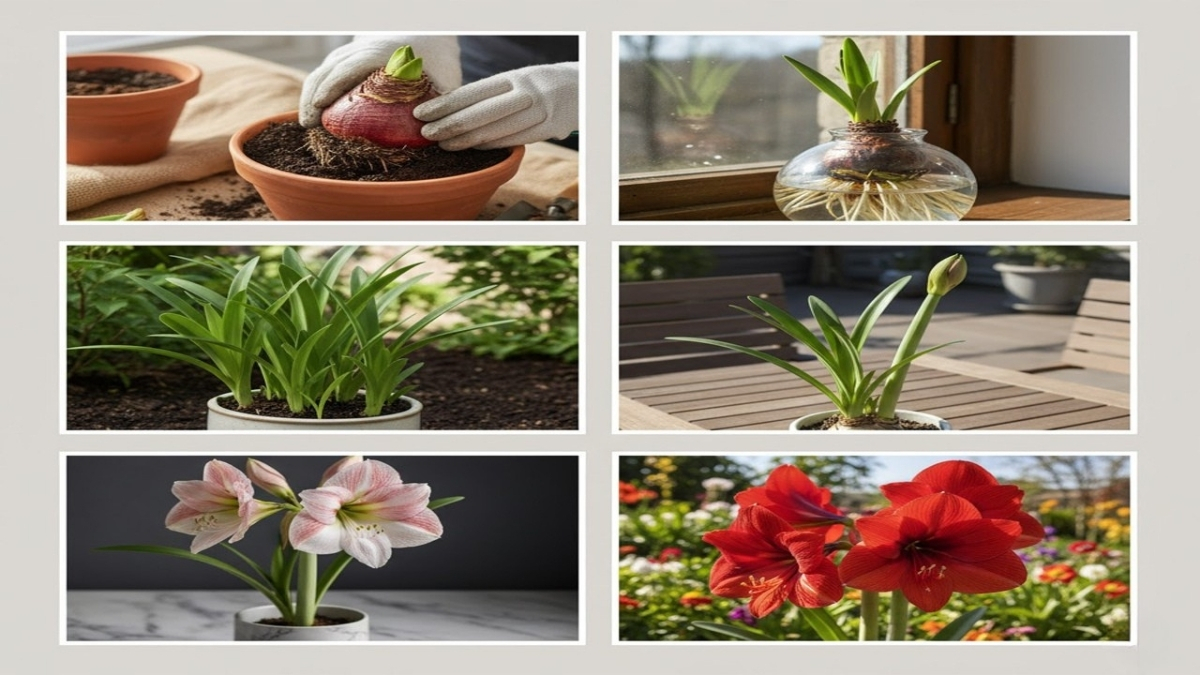
Indoor planting is ideal for holiday blooms and winter color. Choose a pot that’s about one inch wider than the bulb and deep enough to support root growth. Fill it with well-draining soil, leaving the top third of the bulb exposed. Water lightly after planting and place the pot in a warm, sunny location. Within a few weeks, you’ll see a flower stalk emerge, followed by dramatic blooms that last up to eight weeks.
For a modern twist, try growing amaryllis in a bulb vase. The amaryllis bulb vase allows you to watch roots develop in water while supporting the bulb above. This method is especially popular for christmas amaryllis bulbs and holiday amaryllis bulbs, offering a clean, elegant display.
Outdoor Planting and Seasonal Care
In USDA zones 8–10, amaryllis can be planted directly in the garden. Choose a sunny spot with well-draining soil and plant bulbs with their necks just above the soil line. Space them about 12 inches apart and water thoroughly. Outdoor amaryllis bulbs for sale often include hardy varieties like alfresco amaryllis and samba amaryllis. These bulbs bloom in late spring or early summer and can be left in the ground year-round in mild climates.
After flowering, allow the foliage to remain until it yellows and dies back naturally. This process helps the bulb store energy for the next season. In colder zones, lift and store the bulbs before the first frost or grow them in containers that can be moved indoors.
Light, Water, and Temperature Requirements
Amaryllis thrives in bright, indirect light indoors and full sun outdoors. Water sparingly until growth appears, then increase watering to keep the soil evenly moist. Avoid overwatering, especially with potted amaryllis, as this can lead to bulb rot. Ideal temperatures range from 60–75°F (15–24°C), making amaryllis well-suited for indoor environments. For outdoor planting, mulch around the bulbs to protect them from temperature fluctuations.
Waterless amaryllis options, such as waxed amaryllis bulbs or amaryllis in wax ball displays, eliminate the need for watering entirely. These are perfect for busy households or decorative arrangements, though they typically bloom only once.
Fertilizing for Vibrant Blooms
To encourage strong growth and vibrant flowers, feed your amaryllis with a balanced liquid fertilizer every two to four weeks during the growing season. Begin fertilizing once the flower stalk emerges and continue until the foliage dies back. Avoid high-nitrogen formulas, which promote leaf growth at the expense of blooms. For outdoor plants, apply slow-release fertilizer in early spring.
Retailers like jackson perkins amaryllis and gardenuity amaryllis often include fertilizing instructions with their bulbs. Whether you’re growing red amaryllis bulbs or white amaryllis bulbs, consistent feeding ensures healthy, repeat blooming.
Supporting Tall Flower Stalks
Amaryllis flower stalks can reach up to 24 inches and may become top-heavy. Use a stake or decorative support to keep the stalk upright. Be gentle when inserting the stake to avoid damaging the bulb. Some gardeners prefer tall, narrow pots to help stabilize the plant naturally. As flowers fade, remove them promptly to prevent seed formation and redirect energy back to the bulb.
Double amaryllis and giant amaryllis varieties often require extra support due to their size. Jumbo amaryllis bulbs for sale typically produce multiple stalks, making staking essential for a tidy display.
Encouraging Rebloom Year After Year
With proper care, amaryllis bulbs can rebloom for many years. After flowering, continue to water and fertilize the plant until the leaves die back. In late summer, reduce watering and allow the bulb to enter dormancy. Store it in a cool, dark place for 8–10 weeks. After this rest period, repot the bulb and resume watering to initiate a new bloom cycle.
Retailers like brecks amaryllis bulbs and longfield gardens amaryllis offer tips for reblooming success. Whether you’re growing amaryllis online or sourcing amaryllis bulbs near me, the key is consistency and patience.
Creative Display Ideas for Amaryllis
Amaryllis is a versatile plant that lends itself to creative displays. Group potted amaryllis bulbs for sale in wide containers for a dramatic indoor arrangement. Use moss, pebbles, or silk amaryllis accents to enhance the presentation. For outdoor gardens, combine amaryllis and caladium bulb company selections for a tropical look.
Artificial amaryllis and silk amaryllis are also popular for long-lasting décor. These options mimic the look of real blooms without the maintenance. Whether you’re decorating for the holidays or adding color to a spring patio, amaryllis offers endless possibilities.
Where to Buy Amaryllis Bulbs
Amaryllis bulbs for sale are widely available through garden centers and online retailers. Search for amaryllis bulbs for sale near me or amaryllis plants for sale to find local options. Popular sources include home depot amaryllis bulbs, lowes amaryllis bulbs, costco amaryllis, and amazon amaryllis bulbs. Specialty vendors like holland bulb farms amaryllis, dutchgrown amaryllis, and farmer gracy amaryllis offer rare and premium varieties.
For waxed amaryllis bulbs, look for bloomaker amaryllis or wax coated amaryllis bulbs during the holiday season. These are often sold as gifts and can be found at retailers like harry and david amaryllis or jackson and perkins amaryllis.
Final Thoughts on Growing Amaryllis
Amaryllis is a rewarding plant that combines bold beauty with ease of care. Whether you’re growing hippeastrum bulbs for a spring garden or displaying christmas flower bulbs amaryllis indoors, the process is simple and satisfying. With a wide range of colors, forms, and growing methods-from waxed amaryllis to hardy outdoor varieties-there’s an amaryllis for every gardener. By choosing the best amaryllis bulbs for sale and following seasonal care tips, you’ll enjoy stunning blooms year after year.