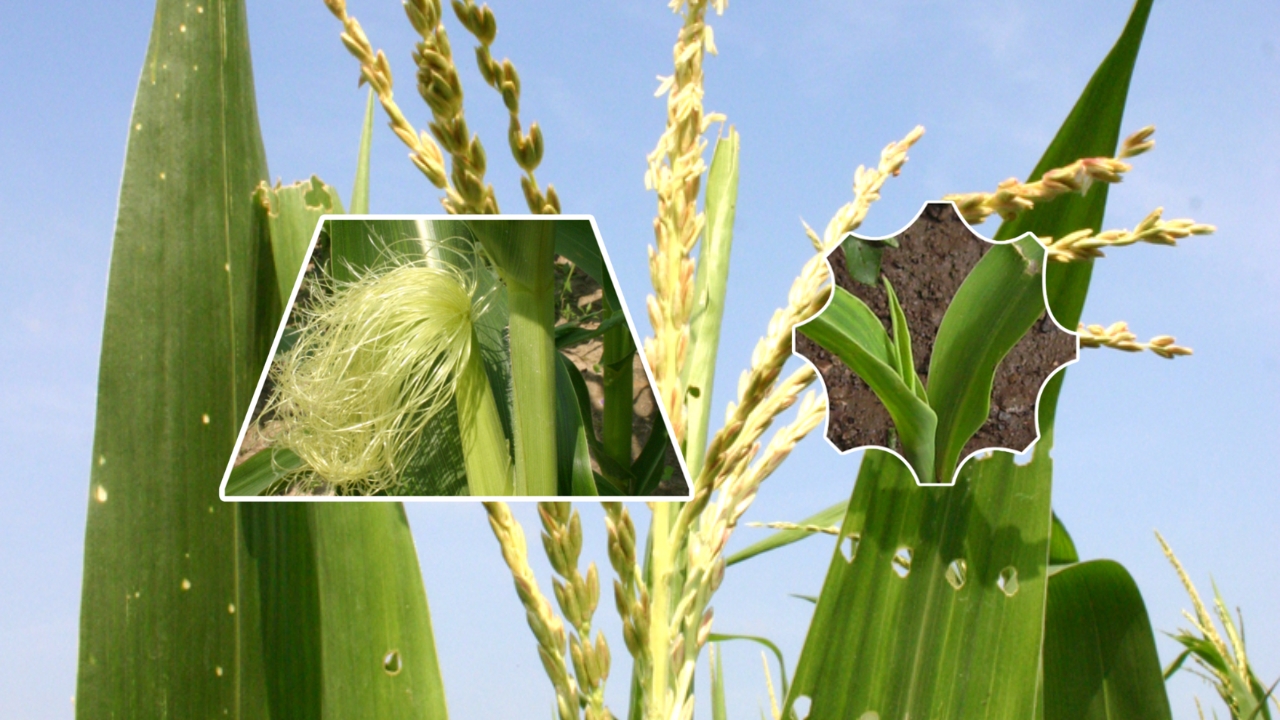
Maize, commonly known as corn, is one of the most important cereal crops grown worldwide. It is valued for its versatility, high yield potential, and wide range of uses including human consumption, animal feed, and industrial products. Farmers choose maize because it adapts well to different climates and soil conditions, making it a reliable crop for both small-scale and commercial agriculture.
Successful maize farming requires proper planning, suitable environmental conditions, and good crop management practices. From selecting the right seed variety to harvesting at the right time, each step plays a vital role in achieving healthy plants and high productivity. Understanding the growth requirements and cultivation techniques can help farmers maximize their yield and maintain soil health for future crops.
Climate and Soil Requirements for Maize
Maize grows best in warm climates with moderate rainfall. The crop requires a temperature range between 18°C and 30°C for optimal growth. Temperatures below 10°C can slow down germination and plant development, while extremely high temperatures may affect pollination and grain formation.
Rainfall is another important factor. Maize typically requires about 500 to 800 millimeters of water during its growing season. However, excessive rainfall can cause waterlogging, which may damage roots and reduce crop yield. Proper drainage is therefore essential.
In terms of soil, maize prefers well-drained, fertile soils rich in organic matter. Loamy soils are considered ideal because they retain moisture while allowing good root penetration. The recommended soil pH for maize ranges between 5.5 and 7.5. Farmers should conduct soil testing before planting to determine nutrient levels and make necessary amendments.
Choosing the Right Maize Variety
Selecting the right maize variety is a crucial step in successful corn farming. Different varieties are developed for specific climates, soil conditions, and purposes such as grain production, fodder, or sweet corn consumption.
Hybrid maize varieties are widely preferred because they generally produce higher yields and show better resistance to pests and diseases. Farmers should select varieties that are well-suited to their region’s climate and growing season length. Early-maturing varieties are ideal in areas with shorter rainy seasons, while longer-duration varieties can be grown where the growing period is extended.
Disease resistance is another factor to consider. Choosing varieties that are resistant to common maize diseases can reduce crop losses and minimize the need for chemical control measures.
Land Preparation for Maize Cultivation
Proper land preparation creates a favorable environment for seed germination and root development. The field should first be cleared of weeds, crop residues, and debris. This helps reduce pest populations and allows young maize plants to grow without competition.
The soil should be plowed thoroughly to loosen the upper layer and improve aeration. Typically, two to three plowing operations are sufficient to create a fine seedbed. After plowing, the land should be leveled to ensure uniform irrigation and prevent water accumulation in certain areas.
Adding organic manure or compost during land preparation improves soil fertility and structure. Organic matter increases microbial activity in the soil and enhances the availability of nutrients needed for plant growth.
Seed Selection and Planting Techniques
High-quality seeds are essential for establishing a healthy maize crop. Farmers should use certified seeds from reliable sources to ensure good germination and genetic purity. Before planting, seeds may be treated with appropriate fungicides or biological treatments to protect them from soil-borne diseases.
Maize is usually planted directly in the field using row planting. The recommended spacing between rows typically ranges from 60 to 75 centimeters, while the distance between plants within a row is around 20 to 30 centimeters. This spacing allows each plant to receive enough sunlight, nutrients, and air circulation.
Seeds are generally sown at a depth of about 3 to 5 centimeters in moist soil. Planting at the correct depth helps ensure strong seedling emergence and root development.
Fertilizer Management for Healthy Growth
Maize is a nutrient-demanding crop, meaning it requires sufficient nutrients to achieve high yields. The three main nutrients required for maize growth are nitrogen, phosphorus, and potassium.
Nitrogen plays a major role in leaf and stem development. Phosphorus supports root growth and early plant establishment, while potassium helps improve plant strength and disease resistance. Fertilizer application should be based on soil test recommendations whenever possible.
Farmers often apply a portion of nitrogen and all of the phosphorus and potassium at the time of planting. The remaining nitrogen is usually applied in one or two additional doses during the crop’s growth stages. This split application ensures that nutrients are available when the plant needs them most.
Organic fertilizers such as compost and farmyard manure can also be used to supplement chemical fertilizers and improve soil fertility.
Irrigation and Water Management
Adequate water supply is essential for maize growth, especially during critical stages such as germination, flowering, and grain filling. Water stress during these periods can significantly reduce yield.
Maize fields should be irrigated at regular intervals depending on rainfall and soil moisture conditions. Light irrigation is usually recommended immediately after planting if rainfall is insufficient. Later irrigations should be scheduled according to crop needs and soil moisture levels.
Proper drainage is equally important. Waterlogged conditions can lead to root diseases and poor plant growth. Farmers should ensure that excess water can drain away quickly from the field.
Weed Control in Maize Fields
Weeds compete with maize plants for nutrients, water, sunlight, and space. If not controlled early, weeds can significantly reduce crop yield. The first few weeks after planting are particularly important because young maize plants are vulnerable to weed competition.
Manual weeding using hand tools is a common method, especially in small farms. Farmers typically perform weeding two or three times during the growing season to keep the field clean.
Mechanical cultivation between rows can also help control weeds while improving soil aeration. In larger farms, selective herbicides may be used to manage weed growth effectively.
Pest and Disease Management
Maize crops can be affected by various pests and diseases that damage leaves, stems, and ears. Common pests include stem borers, armyworms, and corn earworms. These insects can cause serious yield losses if not controlled properly.
Integrated pest management is the most effective approach to protect maize crops. This method combines cultural practices, biological control, and careful use of pesticides when necessary. Crop rotation, field sanitation, and the use of resistant varieties can help reduce pest populations.
Diseases such as maize rust, leaf blight, and smut can also affect plant health. Monitoring the crop regularly allows farmers to detect early signs of disease and take timely action to prevent further spread.
Harvesting Maize at the Right Time
Harvesting maize at the correct stage ensures good grain quality and maximum yield. The crop is usually ready for harvest when the husks turn brown and the kernels become hard and dry.
At this stage, the moisture content of the grains typically drops to around 20 to 25 percent. Harvesting too early may result in immature grains, while delayed harvesting can increase the risk of pest damage and weather losses.
Farmers can harvest maize manually by picking the ears from the plants or using mechanical harvesters in large fields. After harvesting, the ears should be dried properly to reduce moisture content and prevent fungal growth during storage.
Post-Harvest Handling and Storage
Proper post-harvest handling is essential to maintain the quality of maize grains. After harvesting, the ears are usually dried under sunlight until the grain moisture level falls to about 13 to 14 percent. Adequate drying prevents mold development and extends storage life.
Once dried, the grains are shelled from the cobs and cleaned to remove debris and damaged kernels. Clean grains should be stored in dry, well-ventilated storage structures to protect them from pests and moisture.
Using airtight containers, storage bags, or modern grain silos can help preserve the quality of maize for longer periods. Farmers should also regularly inspect stored grains to detect any signs of insect infestation.
Conclusion
Maize farming can be highly rewarding when proper cultivation practices are followed. From selecting suitable varieties to managing soil fertility, water supply, and pest control, each step contributes to the success of the crop.
By applying good agricultural techniques and monitoring crop health throughout the growing season, farmers can produce strong maize plants and achieve higher yields. With careful planning and consistent management, maize cultivation remains one of the most productive and profitable crops for farmers around the world.
