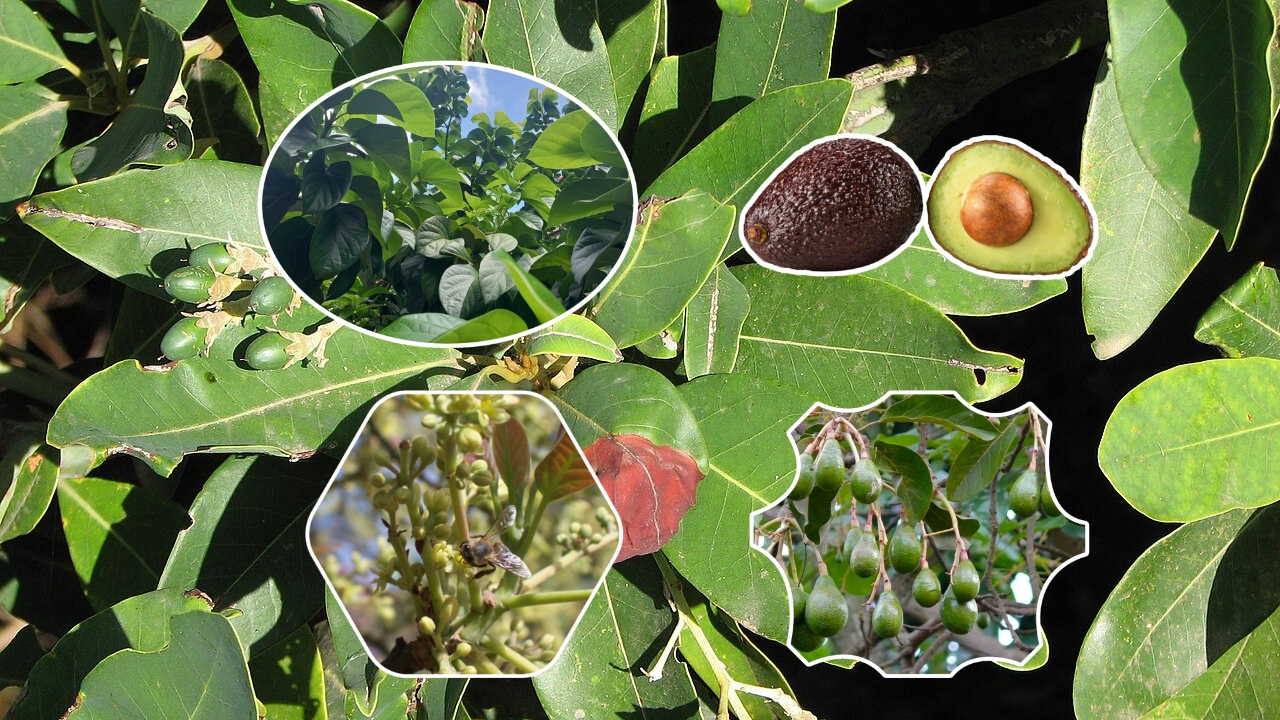
Persea is a genus that includes both the popular avocado tree and the aromatic bay laurel. Both are valued not only for their culinary uses but also for their ornamental appeal in gardens and landscapes. Avocado trees, known for their creamy fruit, thrive in subtropical and tropical climates, while bay laurel is a hardy evergreen shrub or small tree appreciated for its aromatic leaves. Understanding the specific needs of these plants is crucial for successful growth, whether you are planting them in your backyard or in containers.
Choosing the Right Variety
Selecting the appropriate variety of Persea is the first step in ensuring successful cultivation. For avocados, consider the climate and space available. Varieties like Hass, Fuerte, and Bacon are widely grown and differ in cold tolerance, fruit size, and harvest season. Bay laurel has fewer cultivar options but selecting a healthy nursery plant with dark green leaves ensures a strong start. Consider the growth habit, as bay laurel can grow into a substantial shrub if not pruned, while avocados can reach 30 feet in ideal conditions, although dwarf varieties are available for smaller spaces.
Planting Site Requirements
Both avocado and bay laurel require well-draining soil to prevent root rot. Avocados are sensitive to waterlogged conditions, while bay laurel tolerates slightly heavier soils but still performs best with good drainage. A sunny location is essential for fruiting avocado trees; at least six hours of direct sunlight per day promotes healthy growth and flower production. Bay laurel prefers full sun to partial shade and can tolerate some shade in hotter climates. Consider wind protection, particularly for young avocado trees, as strong winds can damage branches and reduce fruit yield.
Soil Preparation and Planting
Soil preparation begins with testing pH and fertility. Avocados thrive in slightly acidic to neutral soils (pH 6–7), while bay laurel tolerates a broader range of 6–7.5. Enriching the soil with organic matter such as compost improves fertility and moisture retention. For avocados, plant the tree slightly higher than the surrounding soil to facilitate drainage. Dig a hole twice as wide as the root ball and gently spread the roots to avoid circling. For bay laurel, a similar approach works, but they are more forgiving of compacted soils. After planting, water thoroughly to settle the soil around the roots.
Watering and Irrigation
Watering needs differ between young and mature plants. Young avocado trees require consistent moisture to establish roots but should never sit in soggy soil. Water deeply two to three times per week during dry periods, adjusting frequency based on rainfall and temperature. Mature trees benefit from deep, infrequent watering that encourages a robust root system. Bay laurel is more drought-tolerant once established, requiring less frequent watering. During prolonged dry spells, weekly deep watering ensures steady growth without stressing the plant. Mulching around the base helps retain soil moisture and moderate temperature fluctuations.
Fertilization Practices
Both plants benefit from balanced fertilization. Avocado trees respond well to nitrogen-rich fertilizers, with additional phosphorus and potassium for fruit development. Fertilize three to four times a year, reducing nitrogen levels as the tree matures to encourage flowering and fruit set. Bay laurel requires less intensive feeding. A slow-release fertilizer in early spring, complemented by occasional compost applications, supports healthy foliage and growth. Monitor for yellowing leaves, which may indicate nutrient deficiencies such as iron or magnesium, and amend the soil accordingly.
Pruning and Maintenance
Pruning is essential for shaping, airflow, and fruit production. For avocado trees, remove dead or crossing branches and maintain an open canopy to reduce the risk of disease. Light pruning in early spring before flowering encourages new growth. Bay laurel benefits from regular trimming to maintain size and shape. Removing older branches stimulates fresh growth and enhances the density of aromatic leaves. Both plants can be trained into hedges or topiary forms if desired, making them versatile for ornamental landscaping.
Pest and Disease Management
Avocado trees are susceptible to pests such as mites, thrips, and borers, while diseases like root rot, anthracnose, and powdery mildew can impact health and fruit quality. Regular inspection of leaves and branches allows early detection of infestations. Use natural or organic pest control methods when possible, such as neem oil or insecticidal soaps. Bay laurel is generally resilient but can occasionally experience scale insects or leaf blight. Maintaining good airflow, proper watering, and clean pruning tools helps prevent disease spread and encourages healthy growth.
Propagation Techniques
Propagation can be achieved through seeds or cuttings, depending on the species and desired traits. Avocados grown from seed can take years to fruit and may not resemble the parent tree, whereas grafted plants ensure predictable fruit quality and earlier production. Bay laurel is easily propagated through semi-hardwood cuttings, rooted in a well-draining soil mix with consistent moisture and warmth. Layering is another method for bay laurel, allowing new plants to develop roots while still attached to the parent, reducing transplant shock.
Harvesting and Using the Plants
Harvesting avocado fruit depends on the variety and climate. Fruit does not ripen on the tree, so it should be picked when mature and allowed to ripen at room temperature. Mature avocados have a slightly soft texture when pressed gently and yield easily to gentle pressure. Bay laurel leaves can be harvested at any time, with older leaves having a stronger flavor. Harvesting promotes new growth and ensures a continuous supply of aromatic leaves for cooking. Both plants offer long-term rewards when cared for properly, contributing flavor, nutrition, and beauty to gardens and kitchens alike.
Winter Care and Protection
Cold protection is critical for avocado trees in regions prone to frost. Cover young trees with frost cloths or blankets during cold nights and consider using mulch around the root zone to moderate soil temperature. Bay laurel is more cold-tolerant but may still benefit from frost protection during severe winter conditions. Container-grown plants are especially vulnerable and can be moved indoors or to a sheltered location during extreme weather. Proper winter care ensures survival and maintains the health and productivity of these perennial plants.
Conclusion
Growing Persea species, including avocado and bay laurel, requires attention to climate, soil, water, and maintenance practices. By selecting the right variety, preparing the planting site carefully, and providing consistent care, gardeners can enjoy lush foliage, aromatic leaves, and delicious fruit for many years. Both plants reward patience and diligence, offering versatile culinary uses, aesthetic appeal, and the satisfaction of nurturing a thriving perennial plant. With proper knowledge and routine care, avocados and bay laurel can become a staple feature in any garden or landscape, combining beauty, flavor, and functionality.
This article outlines a complete approach to cultivating Persea, ensuring gardeners are equipped to grow healthy, productive plants while enjoying the unique benefits each species offers.
