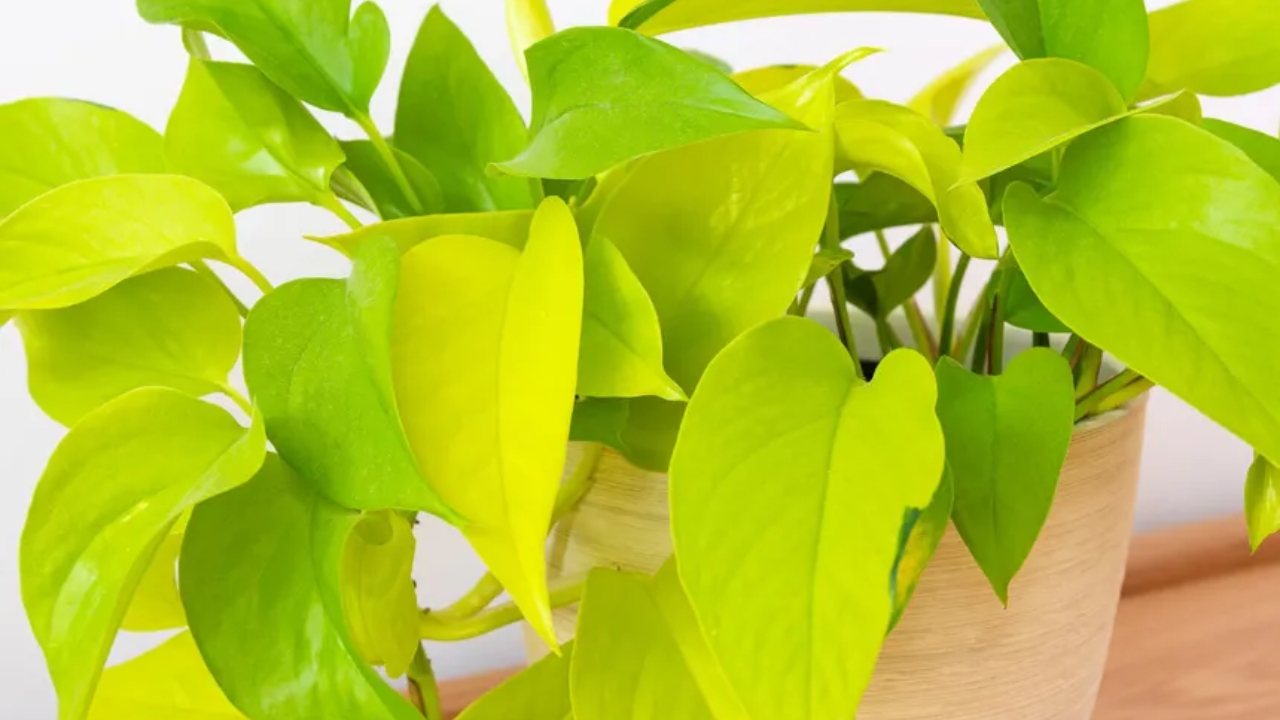
Pothos, often called the “devil’s ivy,” is one of the most popular houseplants for beginners and experienced plant lovers alike. Known for its trailing vines and heart-shaped leaves, this plant thrives in a variety of indoor environments with minimal effort. Its forgiving nature makes it ideal for those who may not have a green thumb but still want a lush, vibrant indoor space.
Native to tropical regions, pothos plants adapt exceptionally well to indoor conditions. Whether placed on a shelf, hanging basket, or allowed to climb a support, they add a touch of greenery that instantly elevates any room. Understanding how to properly care for pothos ensures that it not only survives but flourishes.
Choosing the Right Spot for Your Pothos
Light plays a crucial role in the growth and appearance of your pothos. While the plant is highly adaptable, it prefers bright, indirect light. Placing it near a window with filtered sunlight helps maintain its vibrant leaf patterns, especially for variegated varieties.
That said, pothos can tolerate low-light conditions, making it suitable for offices, bedrooms, and corners that don’t receive much sunlight. However, prolonged low light may cause slower growth and less pronounced variegation. Direct sunlight should be avoided, as it can scorch the leaves and lead to discoloration.
Temperature is another important factor. Pothos thrives in average indoor temperatures ranging between 18°C and 30°C. It does not tolerate cold drafts or sudden temperature changes, so keeping it away from air conditioners or open windows during winter is essential.
Watering Your Pothos Correctly
One of the most common mistakes with pothos care is overwatering. These plants prefer their soil to dry out slightly between watering sessions. A good rule of thumb is to check the top inch of soil—if it feels dry, it’s time to water.
When watering, ensure that excess water drains out of the pot. Standing water can lead to root rot, which is one of the few conditions that can seriously harm a pothos plant. Using pots with drainage holes helps prevent this issue.
During warmer months, the plant may require more frequent watering due to faster evaporation. In contrast, reduce watering during the winter when growth slows down. Observing the leaves can also help; drooping leaves may indicate the need for water, while yellowing leaves often signal overwatering.
Soil and Potting Requirements
Pothos plants are not particularly picky about soil, but they do best in a well-draining potting mix. A standard indoor plant mix works well, especially when combined with materials like perlite or sand to improve drainage.
Repotting is generally needed every one to two years, depending on the plant’s growth. If you notice roots growing out of the drainage holes or circling the top of the soil, it’s time to move your pothos to a slightly larger container. Choose a pot that is one size bigger to avoid overwhelming the roots with excess soil moisture.
Proper potting not only supports healthy growth but also prevents common issues like water retention and root rot.
Feeding and Fertilization
Although pothos can survive without regular feeding, occasional fertilization helps boost growth and keeps the foliage lush. A balanced liquid fertilizer applied once a month during the growing season (spring and summer) is usually sufficient.
It’s important not to over-fertilize, as this can lead to salt buildup in the soil and damage the roots. During the fall and winter months, when the plant’s growth naturally slows, feeding can be reduced or stopped altogether.
Organic options like compost tea or diluted worm castings can also be used for a more natural approach to fertilization.
Pruning and Maintenance
Regular pruning helps maintain the shape and fullness of your pothos plant. Without trimming, the vines can become long and sparse. Cutting back the stems encourages bushier growth and keeps the plant looking compact.
Use clean, sharp scissors or pruning shears to cut just above a leaf node. This not only improves the plant’s appearance but also provides cuttings that can be used for propagation.
In addition to pruning, it’s helpful to wipe the leaves occasionally with a damp cloth. This removes dust and allows the plant to absorb light more efficiently, contributing to healthier growth.
Easy Propagation Methods
One of the most rewarding aspects of growing pothos is how easy it is to propagate. Stem cuttings can be rooted in water or directly in soil, making it simple to create new plants.
To propagate, cut a healthy vine just below a node and remove the lower leaves. Place the cutting in a jar of water, ensuring that the node is submerged. Within a couple of weeks, roots will begin to develop. Once the roots are a few inches long, the cutting can be transferred to soil.
Alternatively, planting the cutting directly in moist soil can also yield good results. Keep the soil slightly damp until the new plant establishes itself.
Propagation is a great way to expand your indoor garden or share plants with friends and family.
Common Problems and Solutions
Despite being low-maintenance, pothos plants can occasionally face issues. Yellow leaves are often caused by overwatering, while brown, crispy edges may indicate underwatering or low humidity.
Pests such as spider mites and mealybugs can sometimes appear, especially in dry indoor conditions. Regularly inspecting your plant and wiping the leaves can help prevent infestations. If pests do occur, treating the plant with neem oil or a mild soap solution is usually effective.
Slow growth may result from insufficient light or lack of nutrients. Adjusting the plant’s location or feeding schedule can often resolve this issue.
By paying attention to these signs, you can quickly address problems and keep your pothos healthy.
Styling and Display Ideas
Pothos plants are incredibly versatile when it comes to styling. Their trailing vines make them perfect for hanging baskets, where they can cascade beautifully downwards. They can also be placed on shelves, bookcases, or desks to add a natural touch to indoor spaces.
For a more dramatic look, consider training the vines to climb a moss pole or trellis. This mimics their natural growth habit and can result in larger, more vibrant leaves.
Mixing pothos with other indoor plants can create a lush, layered effect that enhances the overall aesthetic of your home. Their adaptability makes them suitable for nearly any décor style, from minimalist to bohemian.
Final Thoughts on Growing Pothos
Growing pothos is an enjoyable and rewarding experience, especially for those looking for a low-effort yet visually appealing houseplant. With the right balance of light, water, and occasional care, pothos can thrive for years and continue to produce beautiful, trailing vines.
Its resilience, ease of propagation, and adaptability make it a staple in indoor gardening. Whether you’re just starting your plant journey or expanding an existing collection, pothos is a reliable and charming addition to any home.
