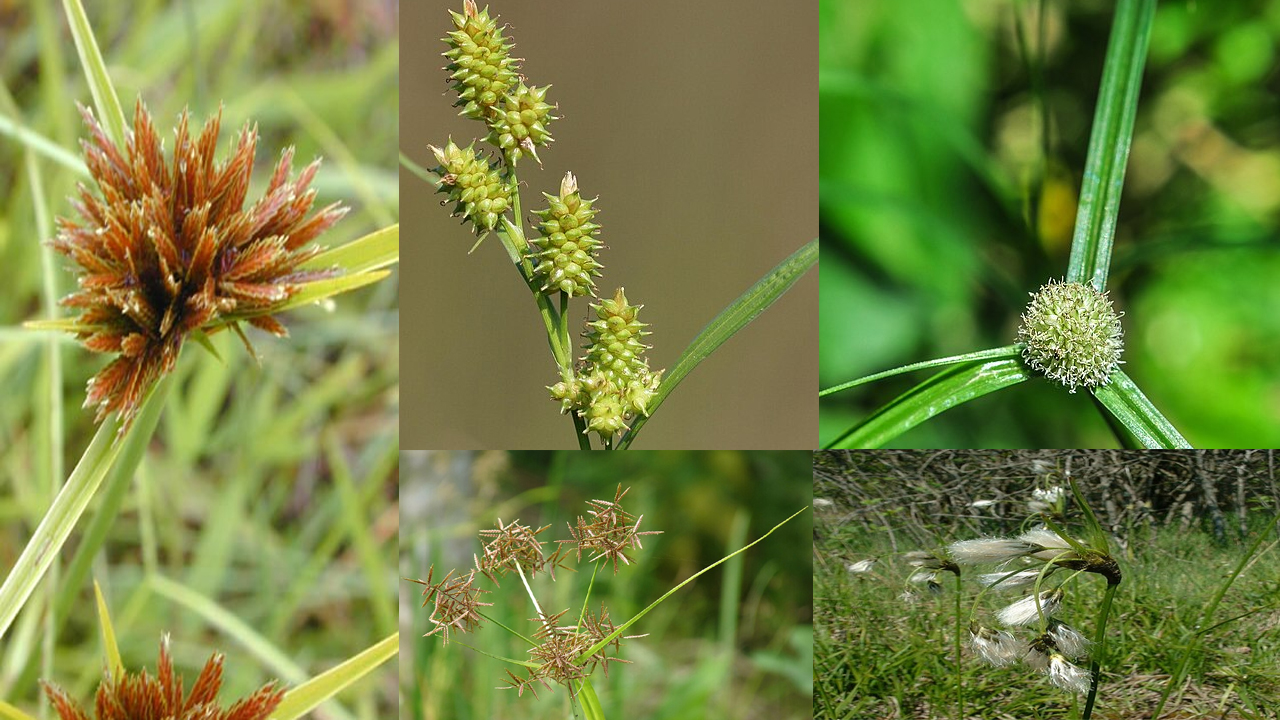
Sedges are versatile plants belonging to the genus Carex and related groups, often mistaken for grasses but distinguished by their triangular stems and unique growth habits. They thrive in a wide range of environments, from wetlands to dry meadows, making them valuable in both ornamental and ecological gardening. Popular species include nut sedge, cyperus papyrus, arundo donax plant, and kyllinga. Gardeners often choose sedge grass for its adaptability, while native sedges provide essential habitat for pollinators and wildlife.
Popular Varieties of Sedges for Gardens
Among the most admired sedge plants are ornamental cultivars such as carex morrowii, carex pensylvanica, carex evergold, and carex ice dance. The evergold sedge and ice dance sedge are prized for their variegated foliage, while carex testacea and carex comans frosted curls add bronze and copper tones to landscapes. Carex buchananii red rooster and carex praegracilis bring texture and color variation. Other notable types include fox sedge, broom sedge, pendulous sedge, palm sedge, blue sedge, oak sedge, and golden sedge. Each variety offers unique visual appeal, from the upright form of carex secta to the cascading foliage of feather falls sedge.
Native Sedges and Their Ecological Role
Native sedges such as pennsylvania sedge, appalachian sedge, and carex appalachica are increasingly used in sustainable landscapes. Pennsylvania sedge lawns are a low-maintenance alternative to traditional turf, requiring less mowing and irrigation. Appalachian sedge grass thrives in shaded woodlands, making it ideal for native sedges for shade gardens. Aquatic sedge species like cyperus papyrus and carex elata aurea help stabilize pond edges and provide shelter for aquatic life. These plants contribute to biodiversity, soil stabilization, and water filtration, making them essential in ecological restoration projects.
Ornamental Appeal of Variegated and Colorful Sedges
Gardeners often select variegated sedge grass such as carex everest, carex ice dance grass, and ice dance japanese sedge for their striking foliage patterns. The evergold japanese sedge and japanese sedge grass evergold are popular in borders and containers. Bronze and red tones are found in carex comans bronze, uncina rubra, and red sedge grass, while prairie fire sedge and carex testacea prairie fire add fiery hues to autumn displays. Carex frosted curls and belinda’s find red hook sedge provide whimsical textures that enhance modern garden designs.
Planting Sedges in Different Landscapes
Sedge plants adapt well to diverse conditions. For sunny areas, prairie fire sedge and carex tumulicola thrive, while native sedges for shade such as carex pansa and carex appalachica flourish under trees. Wetland gardens benefit from palm sedge, berkeley sedge, and aquatic sedge species. Sedge lawns, including pennsylvania sedge grass, offer a soft, natural groundcover. When planning, consider soil type and moisture levels, as species like yellow nutsedge grass prefer damp soils, while broom sedge tolerates drier conditions.
How to Plant and Establish Sedges
To grow sedges successfully, start by preparing the soil with organic matter. Plant carex sedge or nut sedge grass in well-drained soil, spacing them according to their mature size. Water regularly during establishment, especially for varieties like carex divulsa and berkeley sedge carex tumulicola. Mulching helps retain moisture and suppress weeds. For aquatic sedges such as cyperus papyrus, ensure roots are submerged in shallow water. Sedge plants for sale often come in plugs or pots, making them easy to transplant into gardens or naturalized areas.
Caring for Sedges Throughout the Seasons
Sedges are generally low-maintenance, but proper care ensures longevity. Trim back old foliage in early spring to encourage fresh growth. Evergreen varieties like carex evergold grass and bowles golden sedge maintain year-round interest, while deciduous types such as autumn sedge and annual sedge benefit from seasonal pruning. Fertilization is rarely needed, though a light application of compost can boost vigor. Watch for invasive species like yellow nutsedge, which may require control with products such as bonide sedge ender or sedge stop.
Using Sedges in Garden Design
Sedges complement a wide range of garden styles. Variegated sedges like carex ice dance and feather falls sedge brighten shady borders, while carex comans frosted curls and carex buchananii add movement to modern landscapes. Sedge lawns provide a naturalistic look, blending seamlessly with native plantings. In water gardens, cyperus papyrus and arundo donax plant create dramatic vertical accents. Designers often combine sedges with grasses and rushes, as highlighted in a field guide to grasses sedges and rushes, to achieve layered textures and seasonal interest.
Benefits of Growing Sedges
Sedges offer multiple benefits beyond aesthetics. They improve soil health, reduce erosion, and support pollinators. Native sedges like american sedge and appalachian sedge carex appalachica provide food and shelter for wildlife. Sedge grass lawns reduce maintenance costs compared to traditional turf. Aquatic sedges filter water and enhance pond ecosystems. Ornamental varieties such as carex bowles golden, banana boat sedge, and banana boat creeping sedge bring unique foliage patterns that elevate garden design. Their adaptability makes them suitable for both residential and commercial landscapes.
Buying and Propagating Sedges
Gardeners can buy pennsylvania sedge, berkeley sedge for sale, and carex grass for sale from nurseries specializing in native plants. Propagation is simple through division, especially for clumping species like carex tumulicola and carex praegracilis. Seed propagation is possible but slower, often used for species like baldwin’s flatsedge and beak sedge. When purchasing sedge plants for sale, select healthy specimens with strong root systems. Many cultivars, including banana boat sedge grass and variegated sedge grass, are available in garden centers and online catalogs.
Conclusion: Why Sedges Belong in Every Garden
Sedges are more than just ornamental grasses; they are resilient, ecologically valuable, and visually captivating plants. From the elegance of carex evergold and ice dance sedge to the practicality of pennsylvania sedge lawns, these plants offer solutions for diverse gardening needs. Whether you are creating a naturalistic meadow, stabilizing a pond edge, or designing a modern border, sedges provide texture, color, and ecological benefits. With proper planting and care, sedges will thrive and enrich your garden for years to come.
