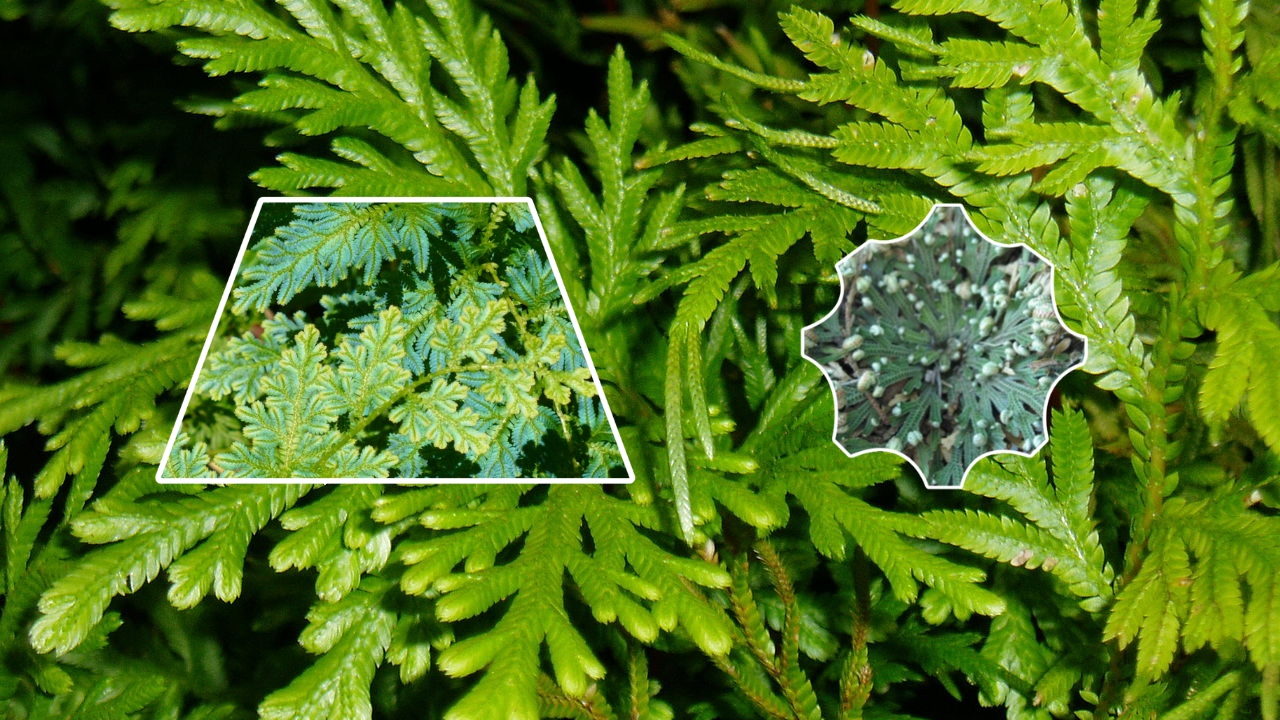
Selaginella is a fascinating group of plants known for their delicate, fern-like appearance and lush green foliage. Often called spike moss, these plants are not true ferns but belong to an ancient lineage of vascular plants that have existed for millions of years. Their soft, carpet-like growth and ability to thrive in humid conditions make them popular for terrariums, indoor gardens, and shaded landscapes.
Many plant lovers appreciate Selaginella for its vibrant texture and the way it brings a tropical feel to indoor spaces. Some species even have the remarkable ability to revive after drying out, earning them the nickname “resurrection plants.” With proper care, Selaginella can become a stunning addition to your plant collection, offering a unique look that stands out from typical houseplants.
Growing Selaginella successfully requires understanding its natural habitat. These plants originate from moist forest floors where humidity is high and sunlight is filtered through tree canopies. By recreating similar conditions at home, you can encourage healthy, vibrant growth.
Understanding the Natural Habitat of Selaginella
Selaginella naturally grows in tropical and subtropical regions around the world. It thrives in environments where the soil stays consistently moist and the air contains plenty of humidity. In the wild, you will often find it spreading along the forest floor, growing between rocks, or covering shaded ground in dense green mats.
Because these plants evolved in shaded environments, they are sensitive to harsh sunlight. Direct sun can scorch their delicate leaves, causing browning and dryness. Instead, Selaginella prefers indirect light or partial shade, which mimics the soft lighting conditions found beneath forest canopies.
Temperature also plays an important role in their health. These plants prefer moderate warmth and struggle in extremely cold conditions. When grown indoors, maintaining stable temperatures and avoiding sudden changes will help the plant remain healthy and vibrant.
Choosing the Right Soil for Healthy Growth
The right soil is essential for Selaginella’s growth. Since these plants love moisture but dislike waterlogged roots, the ideal soil must retain moisture while still providing good drainage. A well-balanced potting mix can create the perfect environment for the roots to thrive.
A combination of peat moss, coco coir, and perlite works well for Selaginella. Peat moss or coco coir helps retain moisture, while perlite improves aeration and drainage. This mixture keeps the soil lightly damp without becoming overly compacted.
For gardeners growing Selaginella outdoors, adding organic compost to the soil can improve moisture retention and nutrient levels. The goal is to create a rich, soft soil structure similar to the natural forest floor where these plants usually grow.
Light Requirements for Selaginella
Lighting is one of the most important factors in keeping Selaginella healthy. These plants thrive in bright but indirect light. Placing them near a window with filtered sunlight often works well indoors. Too much direct sun can cause the leaves to fade, dry out, or turn brown.
In darker rooms, Selaginella can also adapt to artificial lighting. A gentle grow light placed nearby can help maintain steady growth if natural light is limited. However, intense light should always be avoided because the plant’s thin leaves are sensitive to excessive exposure.
Outdoor plants should be placed in shaded areas, such as under trees or along shaded garden borders. By protecting the plant from direct sunlight, you ensure its foliage remains lush and vibrant.
Watering Techniques for Thriving Selaginella
Selaginella loves consistent moisture, which means the soil should rarely dry out completely. Regular watering is important to maintain the damp conditions these plants prefer. However, excessive water sitting in the pot can lead to root rot, so balance is essential.
A good approach is to water the plant when the top layer of soil begins to feel slightly dry. This keeps the soil evenly moist without becoming soggy. Using room-temperature water is also beneficial because sudden cold water can shock the roots.
Some gardeners prefer bottom watering, where the pot sits in a shallow tray of water for a short period. This allows the plant to absorb moisture from below, helping maintain even soil hydration.
Humidity Needs and How to Maintain Them
High humidity is one of the key requirements for Selaginella’s health. Since these plants originate from humid forest environments, dry indoor air can cause their leaves to curl or brown. Maintaining humidity levels above average indoor conditions can significantly improve their growth.
Misting the plant regularly is one simple way to increase humidity. However, placing Selaginella in a terrarium or near a humidifier can create a more stable environment. Grouping plants together can also help raise humidity levels naturally.
Bathrooms and kitchens often provide suitable humidity for Selaginella because these areas tend to have more moisture in the air. When the plant receives enough humidity, its foliage remains soft, vibrant, and full of life.
Fertilizing for Strong and Vibrant Growth
Although Selaginella does not require heavy feeding, occasional fertilization can support healthy growth. A diluted liquid houseplant fertilizer applied once a month during the growing season is usually enough. Over-fertilizing should be avoided because these plants are sensitive to strong chemical concentrations.
Using a balanced fertilizer with equal nutrient ratios works well for most varieties. Diluting the fertilizer to half strength prevents nutrient burn and keeps the plant healthy. Feeding is most beneficial during spring and summer when the plant is actively growing.
During cooler months, Selaginella’s growth slows down, so fertilizing can be reduced or stopped altogether. Allowing the plant to rest during this period helps maintain its natural growth cycle.
Pruning and Maintenance Tips
Regular maintenance keeps Selaginella looking neat and encourages fuller growth. Trimming away yellow or dried leaves allows the plant to direct its energy toward healthy new growth. Pruning can also help control the plant’s shape if it begins to spread too widely.
Because Selaginella often grows in dense mats, occasional thinning can improve air circulation around the plant. Better airflow reduces the risk of fungal issues and helps maintain overall plant health.
Cleaning the plant gently by misting or rinsing with water can also remove dust and keep the foliage fresh. With proper care and occasional trimming, Selaginella can maintain its lush appearance for many years.
Propagation Methods for Expanding Your Collection
Propagating Selaginella is relatively simple and allows gardeners to create new plants from existing ones. The most common method involves dividing the plant’s root clumps. Carefully separating a portion of the plant with roots attached allows it to grow independently in a new pot.
Another approach is stem cuttings. By cutting a healthy section of the plant and placing it in moist soil, new roots can eventually develop. Keeping the soil consistently damp and maintaining high humidity helps encourage successful rooting.
Propagation is best done during the active growing season when the plant has the energy to develop new roots quickly. With patience and proper care, new Selaginella plants can establish themselves and continue growing beautifully.
Common Problems and How to Fix Them
Even though Selaginella is generally easy to care for, certain issues can arise if conditions are not ideal. Browning leaves often indicate low humidity or excessive sunlight. Moving the plant to a more humid and shaded location usually resolves this problem.
Yellowing leaves may suggest overwatering or poor drainage. Ensuring the soil drains well and adjusting the watering routine can help restore balance. Checking the roots for signs of rot is also a good practice if yellowing persists.
Pests are relatively uncommon but may occasionally appear. Gentle rinsing of the plant and maintaining proper humidity often discourages infestations and keeps the plant healthy.
Creating the Perfect Environment for Long-Term Success
Growing Selaginella successfully comes down to recreating the moist, shaded environment it enjoys in nature. Providing indirect light, consistently moist soil, and high humidity creates the ideal conditions for thriving growth.
With proper attention and care, Selaginella can reward plant lovers with lush greenery and a soft, decorative texture that enhances any indoor or outdoor space. Its unique appearance and ancient botanical history make it a fascinating plant to grow and care for.
By understanding its needs and maintaining the right environment, you can enjoy healthy Selaginella plants that continue to grow beautifully for years.
