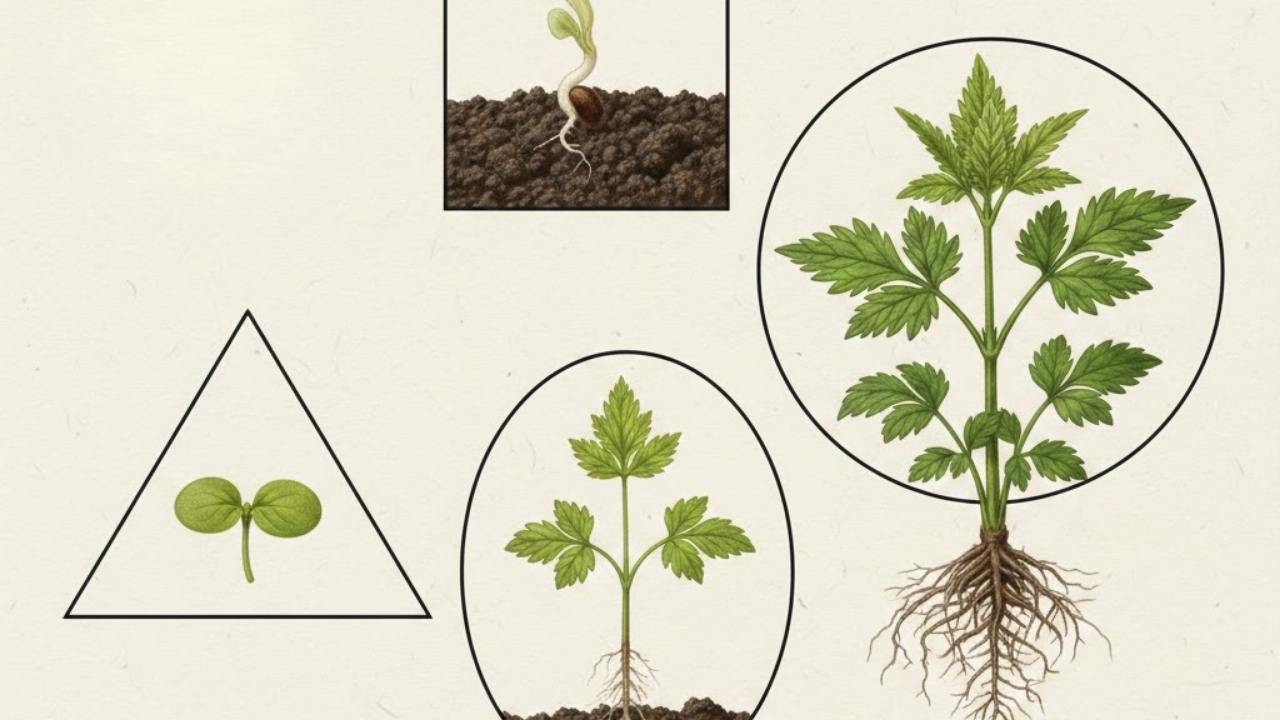
Valerian, known botanically as valeriana officinalis, is a hardy perennial herb cherished for its calming properties and long history in traditional herbal practices. The valerian herb is widely recognized for its fragrant flowers and its earthy, potent root, which is commonly used to create valerian root supplements, valerian extract, valerian capsules, and valerian tablets. Many people grow valerian not only for its ornamental value but also because the valerian root is used in various natural wellness traditions. Whether someone is interested in valerian root for sleep, valerian for anxiety, or simply enjoys cultivating medicinal plants, this herb is a rewarding addition to any garden.
Why Grow Valerian at Home
Growing valerian at home allows gardeners to harvest fresh valerian root for personal use, whether for creating valerian root powder, valerian root extract, or homemade valerian herbal supplements. Many individuals prefer organic valerian root or organic valerian root capsules, and cultivating the plant themselves ensures purity and quality. Homegrown valerian can be used to prepare valerian root sleep aids, valerian root supplements for sleep, or blends such as valerian and lemon balm, skullcap and valerian, or valerian and hops supplements. For those who prefer natural wellness approaches, having access to fresh valerian root can be especially valuable.
Choosing the Right Location
Valerian thrives in full sun to partial shade and prefers moist, well‑drained soil. Although it is adaptable, it grows best in rich, loamy soil that retains moisture without becoming waterlogged. When selecting a planting site, choose an area that receives at least six hours of sunlight daily. This ensures strong growth and healthy root development, which is essential for anyone planning to harvest valerian root for insomnia, valerian root for anxiety, or valerian root extract for sleep. The plant can grow quite tall, often reaching five feet, so choose a location where it has room to expand.
Planting Valerian from Seeds or Root Divisions
Valerian can be grown from seeds, root divisions, or nursery starts. Seeds should be sown in early spring, lightly pressed into the soil without covering them too deeply. Germination may take several weeks, so patience is key. Root divisions are a faster method and allow gardeners to replicate strong, established plants. Whether starting from seed or division, keep the soil consistently moist during the early stages. Once established, valerian becomes a resilient plant that can withstand varying conditions, making it ideal for gardeners who want a reliable source of valerian root for sleep or valerian supplement preparations.
Caring for Valerian Throughout the Season
Valerian requires regular watering, especially during dry spells. The plant prefers evenly moist soil, and consistent hydration helps produce robust roots rich in valerenic acid, the compound often associated with valerian’s calming qualities. Mulching around the base of the plant helps retain moisture and suppress weeds. Fertilizing once or twice during the growing season with a balanced organic fertilizer encourages strong growth. As the plant matures, it produces clusters of small, fragrant white or pink flowers that attract pollinators. These blooms add beauty to the garden while signaling that the plant is thriving.
Managing Growth and Preventing Overcrowding
Valerian spreads easily and can become invasive if not managed. To prevent overcrowding, divide the plant every two to three years. This not only controls its spread but also rejuvenates the root system, ensuring a steady supply of high‑quality valerian root for supplements, valerian capsules for sleep, or valerian tablets for sleep. Regular pruning of spent flowers helps prevent excessive self‑seeding. Gardeners who grow valerian for dogs or valerian for cats should ensure the plant remains healthy and free from pests or diseases, as clean growing conditions support safer herbal use.
Harvesting Valerian Root
The most valuable part of the valerian plant is its root, typically harvested in the plant’s second or third year. The best time to harvest is in the fall, after the flowers have faded and the plant’s energy has returned to the root system. Carefully dig around the base of the plant and lift the roots from the soil. Wash them thoroughly to remove dirt and debris. Fresh roots can be used immediately or dried for long‑term storage. Dried valerian root is commonly used to create valerian root capsules, valerian root tablets, valerian powder, and valerian root supplements for sleep.
Drying and Storing Valerian Root
To dry valerian root, spread the cleaned roots on a screen or drying rack in a warm, well‑ventilated area. Turn them occasionally to ensure even drying. Once fully dried, the roots can be ground into valerian root powder or stored whole in airtight containers. Properly dried roots maintain their potency for up to two years. Many people use dried valerian root to prepare valerian root 500 mg capsules, valerian root 450 mg supplements, valerian forte blends, or valerian complex formulas. Home drying allows full control over quality, which is especially important for those seeking the best valerian root supplement or the best valerian for sleep.
Using Homegrown Valerian
Homegrown valerian root can be used in teas, tinctures, powders, or capsules. Many individuals combine valerian with other herbs such as hops for sleep, ashwagandha and valerian root, or melatonin and valerian root. Some prefer blends like valerian and melatonin, sleep aid with melatonin and valerian root, or deep sleep formulas that include valerian root extract. While valerian is commonly used as a valerian sleep aid or valerian root sleep supplement, some also explore its use as valerian medication or valerian medicine in traditional herbal practices. Always approach herbal use thoughtfully and consult appropriate guidance when needed.
Final Thoughts on Growing Valerian
Growing valerian at home is a rewarding experience for gardeners and herbal enthusiasts alike. Whether the goal is to create valerian herbal supplements, valerian root extract for sleep, valerian capsules for sleep, or simply enjoy the beauty of valeriana officinalis in the garden, this plant offers both aesthetic and practical benefits. With proper planting, care, and harvesting techniques, anyone can cultivate a thriving valerian patch that provides fresh roots year after year. From organic valerian root capsules to valerian compound blends, the possibilities are extensive for those who appreciate this time‑honored herb.
