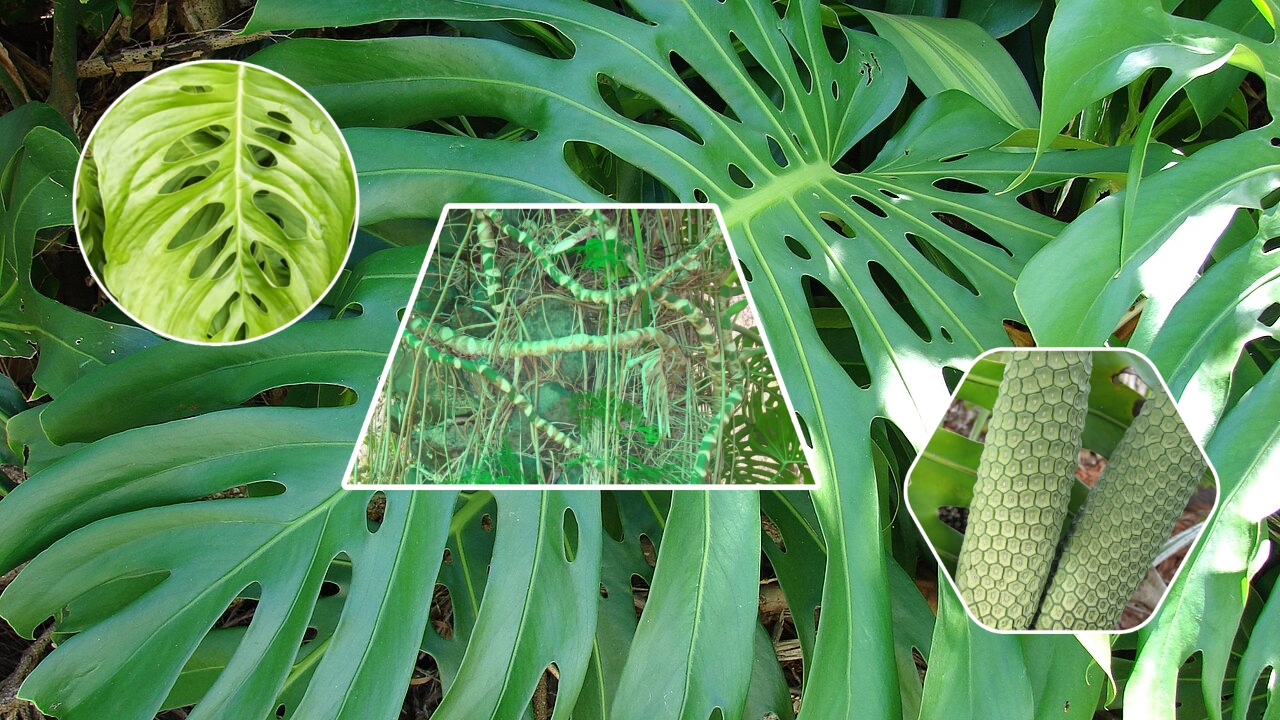
Monstera plants, often recognized for their dramatic split leaves and lush tropical appearance, have become a staple in indoor gardening. Native to the rainforests of Central and South America, these plants thrive in warm, humid environments and can adapt remarkably well to indoor conditions. Their striking foliage not only enhances interior aesthetics but also brings a calming, nature-inspired ambiance to living spaces. Whether you are a beginner or an experienced plant enthusiast, growing a Monstera indoors can be both rewarding and manageable with the right care approach.
Choosing the Right Monstera Variety
There are several types of Monstera plants, but the most popular indoor variety is Monstera deliciosa. Known for its large, glossy leaves with natural holes and splits, it is often referred to as the “Swiss cheese plant.” Other varieties like Monstera adansonii feature smaller, more delicate leaves with pronounced perforations. When selecting a Monstera, consider the space available in your home, as some varieties can grow quite large. Healthy plants should have vibrant green leaves, sturdy stems, and no signs of pests or discoloration.
Ideal Light Conditions for Growth
Lighting plays a crucial role in the health and development of a Monstera plant. These plants prefer bright, indirect sunlight that mimics the filtered light of a tropical forest. Placing your Monstera near a window with sheer curtains is ideal, as direct sunlight can scorch the leaves, while insufficient light may slow growth and reduce leaf splitting. If natural light is limited, you can supplement with artificial grow lights to maintain consistent exposure. Rotating the plant occasionally ensures even growth and prevents it from leaning toward the light source.
Watering Practices and Humidity Needs
Proper watering is essential to keeping a Monstera thriving indoors. These plants prefer soil that is consistently moist but not waterlogged. Allow the top inch or two of soil to dry out before watering again. Overwatering can lead to root rot, a common issue that can damage or kill the plant. On the other hand, underwatering may cause drooping or browning leaves. Maintaining moderate to high humidity levels is equally important, especially in dry indoor environments. You can increase humidity by misting the leaves, using a humidifier, or placing a tray of water near the plant.
Soil Requirements and Potting Tips
Monsteras grow best in well-draining soil that retains some moisture without becoming soggy. A mix designed for tropical plants, often containing peat, perlite, and bark, works well. Good drainage is critical, so always use pots with drainage holes to prevent excess water accumulation. Repotting should be done every one to two years, depending on the plant’s growth rate. When roots begin to outgrow the pot or circle the bottom, it is time to move the plant to a slightly larger container. Fresh soil replenishes nutrients and encourages continued growth.
Fertilizing for Healthy Development
To support vigorous growth, Monsteras benefit from regular feeding during the growing season, which typically spans spring and summer. A balanced liquid fertilizer applied every two to four weeks can provide essential nutrients. During fall and winter, when growth slows, reduce or stop fertilizing altogether. Over-fertilization can cause salt buildup in the soil, leading to leaf burn or stunted growth. Always follow recommended dilution guidelines and flush the soil occasionally to remove excess salts.
Pruning and Maintenance
Pruning helps maintain the shape and health of your Monstera plant. Removing yellowing, damaged, or old leaves encourages new growth and improves the plant’s overall appearance. You can also trim back stems to control size and promote bushier growth. Regularly cleaning the leaves with a damp cloth removes dust and allows better light absorption. Providing support, such as a moss pole or trellis, helps the plant grow upright and mimics its natural climbing habit in the wild.
Propagation Techniques
Propagating a Monstera is a simple and rewarding process. The most common method involves stem cuttings. Choose a healthy stem with at least one node and a leaf, then cut just below the node. Place the cutting in water or directly into moist soil. If using water, wait until roots develop before transferring to soil. Keep the cutting in a warm, bright location with indirect light. Within a few weeks, new growth should appear, signaling successful propagation. This method allows you to expand your plant collection or share with others.
Common Problems and Solutions
Like any houseplant, Monsteras can encounter issues that affect their health. Yellowing leaves are often a sign of overwatering, while brown edges may indicate low humidity or inconsistent watering. Pests such as spider mites, mealybugs, and scale insects can occasionally infest the plant. Regular inspection and early intervention are key to managing these problems. Wiping leaves with a mild soap solution or using neem oil can help control pests effectively. Ensuring proper care conditions reduces the likelihood of most common issues.
Seasonal Care Adjustments
Monsteras require slightly different care depending on the season. During the warmer months, they experience active growth and need more frequent watering and feeding. In cooler months, growth slows, and the plant requires less water and no fertilization. It is important to keep the plant away from cold drafts, air conditioners, or heaters, as sudden temperature changes can stress the plant. Maintaining a stable environment helps the Monstera remain healthy throughout the year.
Styling and Placement Indoors
Beyond their care requirements, Monsteras are highly valued for their decorative appeal. Their bold leaves make them a focal point in any room, whether placed in a living area, bedroom, or office. They pair well with minimalist decor and can soften modern interiors with their organic shapes. Choosing a stylish pot and positioning the plant in a well-lit corner can elevate the overall aesthetic of your space. As the plant grows, it can become a statement piece that reflects both natural beauty and thoughtful design.
Long-Term Growth and Care Tips
With proper care, a Monstera can thrive for many years and grow into an impressive indoor plant. Consistency is key, as sudden changes in light, watering, or temperature can disrupt its growth. Observing your plant regularly helps you understand its needs and respond to any changes promptly. Over time, you will develop a routine that keeps your Monstera healthy and vibrant. Patience and attention to detail are essential, as these plants reward steady care with lush foliage and steady growth.
Conclusion
Caring for a Monstera plant indoors is a fulfilling experience that combines beauty with simplicity. By providing the right balance of light, water, humidity, and nutrients, you can create an environment where your plant not only survives but thrives. From propagation to pruning, each step in the care process contributes to the plant’s overall health and longevity. With a little dedication and knowledge, your Monstera can become a stunning centerpiece in your home, bringing a touch of the tropics into your everyday life.
