

Join on WhatsApp
Get the latest updates directly on WhatsApp – motivation, news & more!
 Join On WhatsApp
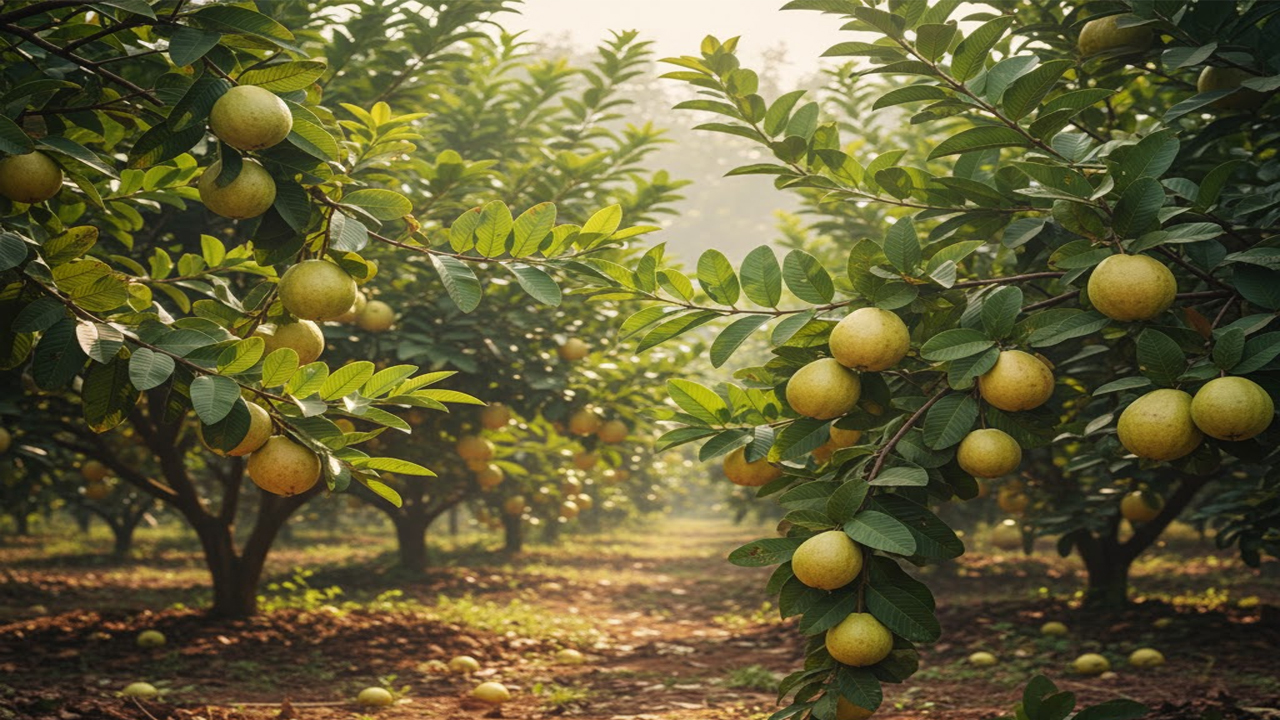
Psidium, commonly known as guava, is a tropical fruit tree valued for its sweet, aromatic fruits and medicinal properties. Native to Central and South America, guava has spread across the world due to its adaptability and nutritional richness. The fruit is packed with vitamin C, antioxidants, and dietary fiber, making it a staple in home gardens and orchards. Growing Psidium at home not only provides fresh fruit but also adds greenery and fragrance to your surroundings.
Choosing the Right Location for Guava Trees
Guava trees thrive in warm climates with plenty of sunlight. They prefer temperatures between 23°C and 28°C but can tolerate slightly cooler or hotter conditions. When selecting a location, choose a spot that receives at least six hours of direct sunlight daily. Guava trees are resilient and can grow in sandy, loamy, or clay soils, but they perform best in well-drained soil with a pH between 5 and 7. Avoid waterlogged areas, as excess moisture can damage the roots and reduce fruit yield.
Preparing Soil for Psidium Cultivation
Soil preparation is crucial for healthy guava growth. Begin by loosening the soil to improve aeration and drainage. Incorporate organic matter such as compost or well-rotted manure to enrich the soil with nutrients. Guava trees are moderately tolerant of poor soils, but adding organic amendments ensures better fruiting and stronger root development. Mulching around the base of the tree helps retain moisture, suppress weeds, and regulate soil temperature.
Planting Guava Trees at Home
Planting Psidium can be done through seeds or saplings. Seeds should be soaked in water for 24 hours before sowing to enhance germination. However, growing from seeds may take longer to bear fruit. For faster results, use grafted or air-layered saplings, which begin fruiting within two to three years. Dig a pit about 60 cm deep and wide, fill it with a mixture of soil and compost, and place the sapling in the center. Water thoroughly after planting and ensure the young tree is supported with stakes if necessary.
Watering and Irrigation Practices
Guava trees are drought-tolerant but require consistent watering during their early growth stages. Water young plants two to three times a week, ensuring the soil remains moist but not waterlogged. Mature trees need less frequent watering, usually once a week, depending on rainfall and climate. During flowering and fruiting, adequate irrigation is essential to prevent fruit drop and improve yield. Drip irrigation is an efficient method that conserves water while maintaining soil moisture.
Fertilization and Nutrient Management
Proper fertilization enhances guava growth and fruit quality. Apply nitrogen-rich fertilizers during the vegetative stage to encourage leaf and branch development. As the tree matures, balanced fertilizers containing phosphorus and potassium should be added to support flowering and fruiting. Organic fertilizers such as compost, cow dung, or vermicompost are excellent for long-term soil health. Fertilize twice a year, ideally before the monsoon and after fruit harvest, to replenish nutrients.
Pruning and Training Guava Trees
Pruning is essential for maintaining the shape and productivity of Psidium trees. Remove dead, diseased, or overcrowded branches to improve air circulation and sunlight penetration. Pruning also helps control tree height, making harvesting easier. Train young trees by allowing a strong central leader and evenly spaced branches. Regular pruning encourages new shoots, which bear flowers and fruits, ensuring continuous production.
Propagation Methods for Psidium
Propagation of guava can be done through seeds, cuttings, grafting, and air layering. Seed propagation is simple but may result in variable fruit quality. Grafting ensures uniformity and preserves desirable traits such as sweetness and disease resistance. Air layering is a popular method where a branch is induced to form roots while still attached to the parent tree, later separated and planted as a new sapling. Each method has its advantages, but grafting and air layering are preferred for home gardeners seeking reliable fruiting.
Pest and Disease Management
Guava trees are relatively hardy but can be affected by pests such as fruit flies, aphids, and mealybugs. Common diseases include anthracnose, wilt, and leaf spot. Preventive measures include maintaining garden hygiene, removing infected plant parts, and using organic sprays like neem oil. Regular monitoring helps detect problems early, reducing the need for chemical interventions. Healthy soil, proper watering, and balanced fertilization also strengthen the tree’s natural resistance.
Flowering and Fruiting Cycle
Guava trees typically flower twice a year, depending on climate and care. The flowers are white and fragrant, attracting pollinators such as bees. Fruit development takes about four to five months after flowering. Fruits vary in size, shape, and flavor depending on the variety, ranging from small, round guavas to larger, pear-shaped ones. Proper irrigation and nutrient supply during this stage are critical for high-quality fruit production.
Harvesting Guava at Home
Harvesting guava requires careful timing to ensure the best flavor and nutritional value. Fruits are ready when they change color from dark green to light green or yellow, depending on the variety. They should feel slightly soft when pressed. Harvest by hand, gently twisting the fruit to avoid damaging the branches. Guava fruits can be consumed fresh, juiced, or preserved in jams and jellies. Regular harvesting encourages the tree to produce more fruits.
Post-Harvest Handling and Storage
Guava fruits are highly perishable and should be consumed or processed soon after harvesting. Store ripe fruits in a cool, dry place or refrigerate them to extend shelf life. For commercial purposes, fruits can be graded based on size and quality before packaging. At home, guavas can be frozen, dried, or turned into preserves to enjoy their flavor year-round. Proper handling reduces spoilage and maintains nutritional value.
Benefits of Growing Psidium at Home
Cultivating guava trees at home offers multiple benefits. Fresh fruits provide essential nutrients and can be enjoyed directly from your garden. The tree requires minimal care compared to other fruit crops, making it suitable for beginners. Guava leaves and bark also have medicinal uses, including treating digestive issues and boosting immunity. Additionally, the tree enhances the aesthetic appeal of your garden with its lush foliage and fragrant flowers.
Conclusion
Growing Psidium at home is a rewarding experience that combines nutrition, sustainability, and natural beauty. With proper care, including soil preparation, watering, fertilization, pruning, and pest management, guava trees can thrive and produce abundant fruits. Whether propagated through seeds, grafting, or air layering, guava adapts well to diverse conditions and offers long-term benefits. By cultivating guava in your garden, you not only enjoy fresh harvests but also contribute to a healthier lifestyle and greener environment.