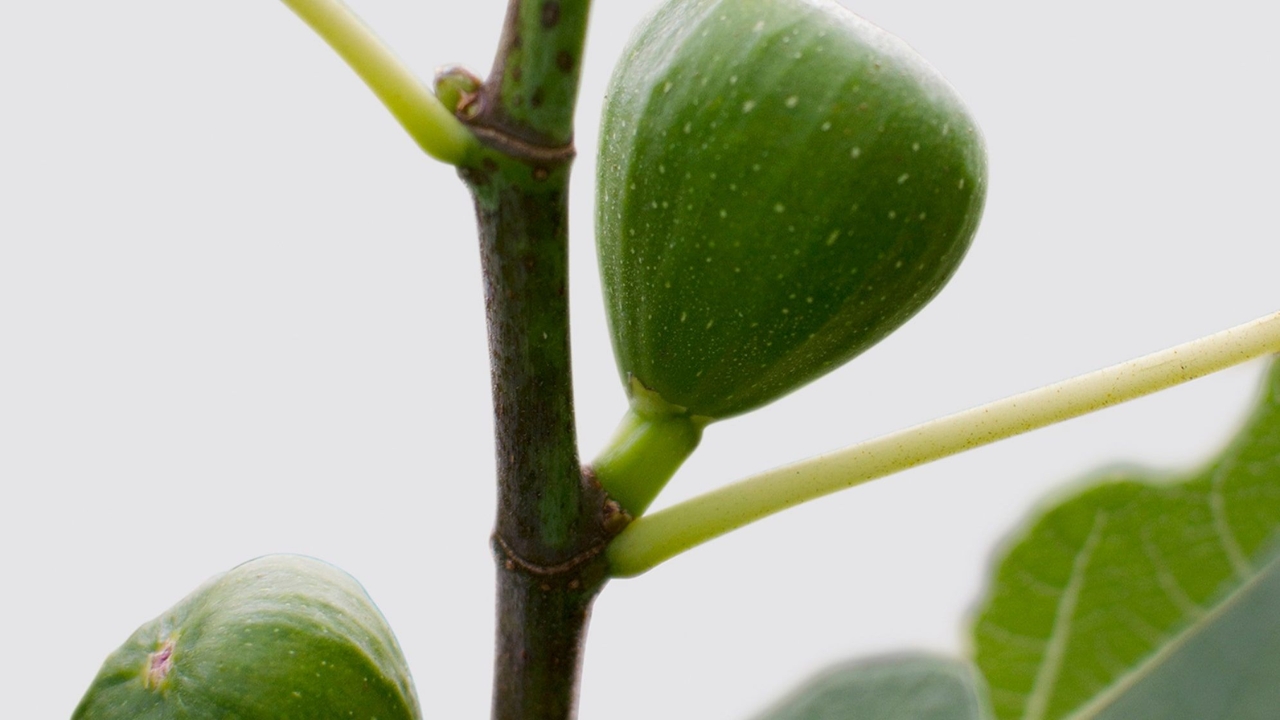
Weeping Fig Care Guide: The Weeping Fig, scientifically known as Ficus benjamina, is one of the most popular indoor plants around the world. Loved for its elegant, arching branches and glossy green leaves, this plant brings a sense of calm and natural beauty into any space. Whether placed in a living room corner or near a bright window, it creates an inviting atmosphere that feels both fresh and lively. Despite its delicate appearance, the Weeping Fig can thrive for years when given the right care and attention.
Understanding the Weeping Fig Plant
The Weeping Fig is native to tropical and subtropical regions, which explains its preference for warm and humid environments. In its natural habitat, it can grow into a large tree, but indoors it usually stays manageable and can be shaped to suit your space. One important thing to know about this plant is that it does not like sudden changes. Moving it frequently or exposing it to shifting conditions may cause leaf drop, which can worry beginners.
Its graceful appearance often makes people think it is difficult to care for, but once you understand its needs, it becomes much easier to manage.
Ideal Growing Conditions for Healthy Growth
Creating the right environment is key to keeping your Weeping Fig healthy. Light plays a major role in its growth. This plant prefers bright, indirect sunlight. A spot near a window where it receives filtered light works best. Direct harsh sunlight can scorch the leaves, while too little light may cause slow growth and leaf shedding.
Temperature is another important factor. The Weeping Fig thrives in temperatures between 18 to 24 degrees Celsius. It does not tolerate cold drafts or sudden temperature drops, so avoid placing it near doors, air conditioners, or open windows during winter.
Humidity is also essential. Since it is a tropical plant, it enjoys moderate to high humidity. If your home has dry air, especially during summer or winter, you can mist the leaves occasionally or place a tray of water nearby to increase moisture levels.
Watering Tips to Prevent Leaf Drop
Watering is where many plant owners go wrong. The Weeping Fig prefers consistently moist soil but does not like being overwatered. It is important to let the top layer of soil dry slightly before watering again. Overwatering can lead to root rot, while underwatering can cause leaves to turn yellow and fall off.
A good practice is to check the soil with your finger. If the top inch feels dry, it is time to water. Make sure the pot has proper drainage so excess water can escape easily. During winter, the plant requires less water compared to the growing season.
Consistency is more important than frequency. Sudden changes in watering habits can stress the plant.
Choosing the Right Soil and Pot
The Weeping Fig grows best in well draining soil. A good quality potting mix that allows water to pass through easily is ideal. You can also mix in a bit of sand or perlite to improve drainage.
Selecting the right pot is equally important. Always choose a pot with drainage holes at the bottom. This prevents water from collecting and damaging the roots. Repotting is usually needed every two to three years or when the plant outgrows its container.
When repotting, be gentle with the roots and avoid disturbing them too much, as this plant can be sensitive to change.
Pruning and Shaping the Plant
Pruning helps maintain the shape and health of your Weeping Fig. It encourages bushier growth and removes dead or weak branches. The best time to prune is during the growing season, typically in spring or early summer.
Use clean, sharp scissors or pruning shears to trim the branches. You can shape the plant according to your preference, whether you want it tall and slender or fuller and more compact.
Regular pruning also improves air circulation within the plant, reducing the chances of pests and diseases.
Common Problems and How to Fix Them
One of the most common issues with the Weeping Fig is leaf drop. This usually happens due to stress caused by changes in light, temperature, or watering. If your plant starts losing leaves, try to identify what has changed in its environment and correct it.
Yellow leaves may indicate overwatering, while dry, crispy leaves could be a sign of underwatering or low humidity. Pests like spider mites and scale insects can sometimes appear, especially in dry conditions. Wiping the leaves with a damp cloth and using mild insecticidal soap can help control them.
Patience is important when dealing with this plant. Once it adjusts to its environment, it often recovers well.
Benefits of Growing a Weeping Fig Indoors
The Weeping Fig is not just a decorative plant. It also offers several benefits that make it a great addition to your home. One of its key advantages is improving indoor air quality. It helps filter out certain pollutants and creates a cleaner breathing environment.
This plant also adds a calming effect to your space. The presence of greenery is known to reduce stress and improve mood. Its elegant structure enhances the overall look of a room, making it feel more natural and welcoming.
Additionally, caring for a plant like the Weeping Fig can be a rewarding experience. It helps develop patience and a sense of responsibility while bringing you closer to nature.
Final Thoughts on Caring for a Weeping Fig
The Weeping Fig is a beautiful and rewarding plant that can thrive indoors with the right care. While it may seem sensitive at first, understanding its needs makes all the difference. Providing stable conditions, proper lighting, and consistent watering will keep it healthy and vibrant.
Once it settles into its environment, it becomes a long lasting companion that adds elegance and freshness to your home. With a little attention and care, your Weeping Fig can grow into a stunning indoor feature that you will enjoy for years to come.
