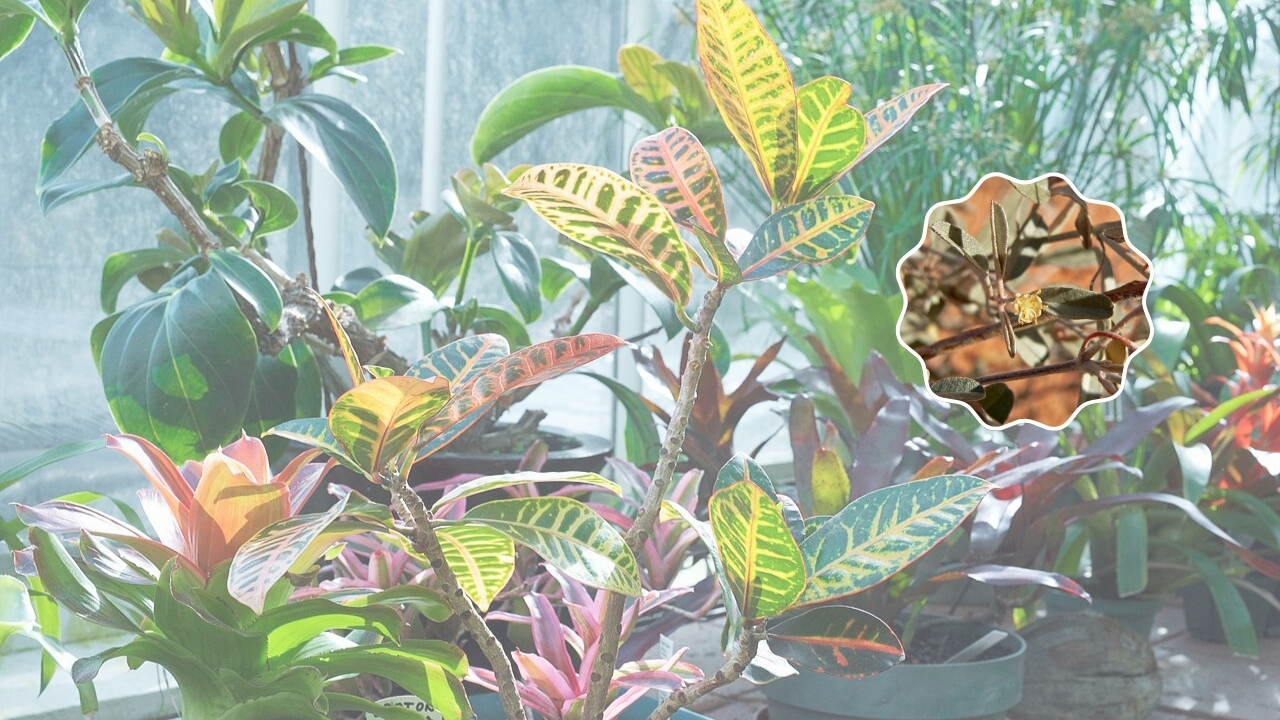
Croton plants are among the most colorful and eye-catching houseplants you can grow indoors or outdoors in warm climates. Known for their dramatic foliage, crotons display vibrant shades of green, yellow, orange, red, pink, and even purple on a single plant. Their bold leaves come in many shapes and sizes, making them a favorite choice for home décor, patios, balconies, and tropical-style gardens.
Native to tropical regions of Southeast Asia and the Pacific Islands, crotons thrive in warm, humid conditions with plenty of bright light. While they are often considered slightly demanding compared to beginner houseplants, proper care can help them grow into healthy, stunning ornamental plants that instantly brighten any space.
Crotons are grown mainly for their decorative leaves rather than flowers. The intensity of their color depends heavily on lighting, temperature, and overall care. When their needs are met, crotons reward growers with rich foliage and strong growth throughout the year.
Best Growing Conditions for Crotons
Croton plants prefer a stable environment that mimics tropical weather. Bright light is one of the most important factors for maintaining vivid leaf colors. Indoors, place crotons near a sunny east-facing or south-facing window where they can receive several hours of indirect sunlight daily. Outdoor crotons perform well in partial sun to filtered sunlight.
Low light conditions often cause croton leaves to lose their bright coloring and become mostly green. However, direct harsh afternoon sunlight may scorch the foliage in very hot climates, so balance is important.
Crotons grow best in temperatures between 18°C and 29°C. They dislike sudden temperature drops and cold drafts. Temperatures below 10°C can damage the leaves and slow growth significantly. Keep indoor crotons away from air conditioners, heaters, or frequently opened cold windows.
Humidity also plays a major role in healthy growth. Since crotons are tropical plants, they appreciate moderate to high humidity levels. Dry indoor air can cause leaf drop and brown edges. Regular misting, pebble trays, or using a humidifier can help maintain suitable moisture in the air.
Choosing the Right Soil and Pot
The right soil mixture helps crotons develop strong roots and healthy foliage. These plants prefer loose, fertile, and well-draining soil that retains slight moisture without becoming soggy.
A high-quality potting mix blended with compost, coco peat, and perlite works well for indoor crotons. Proper drainage is essential because waterlogged soil can quickly lead to root rot.
Always choose a container with drainage holes at the bottom. Crotons do not like sitting in standing water. Terracotta pots are often a good option because they allow excess moisture to evaporate more efficiently than plastic containers.
Repot crotons every two to three years or when roots become crowded. Choose a pot only slightly larger than the current one to avoid excessive moisture retention around the roots.
Watering Croton Plants Properly
Consistent watering is important for crotons, but overwatering is one of the most common mistakes growers make. The soil should remain lightly moist but never overly wet.
Water the plant when the top inch of soil feels dry to the touch. During warmer months and active growing seasons, crotons may need more frequent watering. In winter, reduce watering slightly as growth slows down.
If croton leaves begin dropping suddenly, improper watering may be the cause. Both underwatering and overwatering can stress the plant. Yellowing leaves often indicate excessive moisture, while dry, crispy leaves may signal underwatering or low humidity.
Using room-temperature water is ideal because extremely cold water can shock the roots. After watering, always empty excess water from saucers or trays beneath the pot.
Fertilizing for Healthy Growth
Crotons benefit from regular feeding during the growing season. Fertilizers encourage vibrant foliage, faster growth, and stronger stems.
Apply a balanced liquid fertilizer every four to six weeks during spring and summer. A fertilizer designed for foliage plants works especially well. Avoid excessive fertilization, as too much nutrient buildup can burn the roots and damage leaves.
During autumn and winter, reduce or stop feeding because the plant enters a slower growth phase. Organic options such as compost tea or diluted seaweed fertilizer can also support healthy growth naturally.
Healthy feeding practices combined with bright light often produce the most vivid leaf colors.
Indoor Care Tips for Croton Plants
Crotons can thrive indoors when given the right environment. The biggest challenge for indoor growers is maintaining sufficient light and humidity.
Place your croton in the brightest room possible. Rotating the pot every few weeks helps all sides of the plant receive equal sunlight, resulting in balanced growth.
Indoor crotons are sensitive to sudden environmental changes. After bringing a croton home from a nursery, it may drop some leaves while adjusting to its new surroundings. This is common and usually temporary.
Dust can accumulate on the broad leaves over time, reducing the plant’s ability to absorb light efficiently. Wipe the leaves gently with a damp cloth every few weeks to keep them clean and glossy.
Avoid moving the plant frequently. Crotons prefer stability and may react negatively to sudden changes in location, light, or temperature.
Outdoor Croton Care
In tropical and subtropical regions, crotons grow beautifully outdoors throughout the year. They are often used as landscape shrubs, border plants, or decorative container plants.
Outdoor crotons need warm temperatures, partial sunlight, and protection from extreme weather conditions. In cooler climates, they are usually grown in pots so they can be moved indoors during winter.
Mulching around outdoor crotons helps retain soil moisture and regulate temperature. Water deeply during hot weather, especially when rainfall is limited.
Pruning outdoor crotons occasionally encourages bushier growth and helps maintain an attractive shape.
Common Problems and Solutions
Croton plants can face several common issues, but most problems are manageable with proper care.
Leaf drop is one of the most frequent concerns. This usually happens due to sudden environmental changes, inconsistent watering, cold drafts, or low humidity. Stabilizing the growing conditions often solves the problem.
Brown leaf edges may indicate dry air, underwatering, or fertilizer buildup in the soil. Increasing humidity and flushing the soil occasionally can help.
Pale or faded leaves usually result from insufficient light. Moving the plant to a brighter location often restores stronger coloration.
Pests such as spider mites, mealybugs, and scale insects can occasionally attack crotons. Regularly inspect the leaves, especially underneath. Wiping the foliage with neem oil solution or insecticidal soap helps control infestations naturally.
Root rot can occur if the soil remains constantly wet. Ensure good drainage and avoid excessive watering to prevent this serious issue.
How to Propagate Croton Plants
Croton propagation is commonly done through stem cuttings. This method is relatively simple and allows growers to create new plants from healthy parent specimens.
Start by selecting a healthy stem with several leaves. Using clean pruning shears, cut a stem section about four to six inches long just below a leaf node.
Remove the lower leaves and allow the cutting to dry for a short period. Dip the cut end into rooting hormone if desired, although this is optional.
Plant the cutting in moist, well-draining potting mix. Covering the cutting loosely with a plastic bag helps maintain humidity during rooting.
Place the cutting in bright, indirect light and keep the soil lightly moist. Roots usually develop within several weeks. Once new growth appears, the young plant can be treated like a mature croton.
Propagation works best during spring and summer when the plant is actively growing.
Pruning and Maintenance
Regular pruning keeps croton plants healthy, compact, and visually appealing. Removing damaged or leggy stems encourages fuller growth and improves airflow around the plant.
Use clean, sharp pruning tools to trim stems just above a leaf node. Pruning can also help shape the plant according to your preferred size and appearance.
Dead or yellowing leaves should be removed promptly to maintain a tidy look and prevent possible disease issues.
Because crotons contain a milky sap that may irritate sensitive skin, wearing gloves while pruning is recommended.
Benefits of Growing Crotons
Crotons offer more than just colorful foliage. Their bold appearance adds warmth, energy, and tropical charm to both indoor and outdoor spaces.
As indoor plants, crotons can enhance home décor by introducing natural color into living rooms, offices, balconies, and patios. Their dramatic leaves make them excellent statement plants.
Like many houseplants, crotons may also contribute modestly to improving indoor air quality by supporting a healthier indoor environment.
Their long-lasting foliage and relatively easy propagation make them rewarding plants for gardeners who enjoy ornamental greenery.
Final Thoughts
Croton plants are striking ornamental plants that bring vibrant color and tropical beauty into any environment. While they require slightly more attention than some basic houseplants, their dramatic foliage makes the effort worthwhile.
Providing bright light, warm temperatures, proper watering, and adequate humidity are the keys to success. With consistent care, crotons can thrive indoors as elegant houseplants or outdoors as bold landscape features.
Whether you are a beginner exploring decorative foliage plants or an experienced gardener looking to add vivid color to your collection, crotons remain one of the most rewarding tropical plants to grow.
