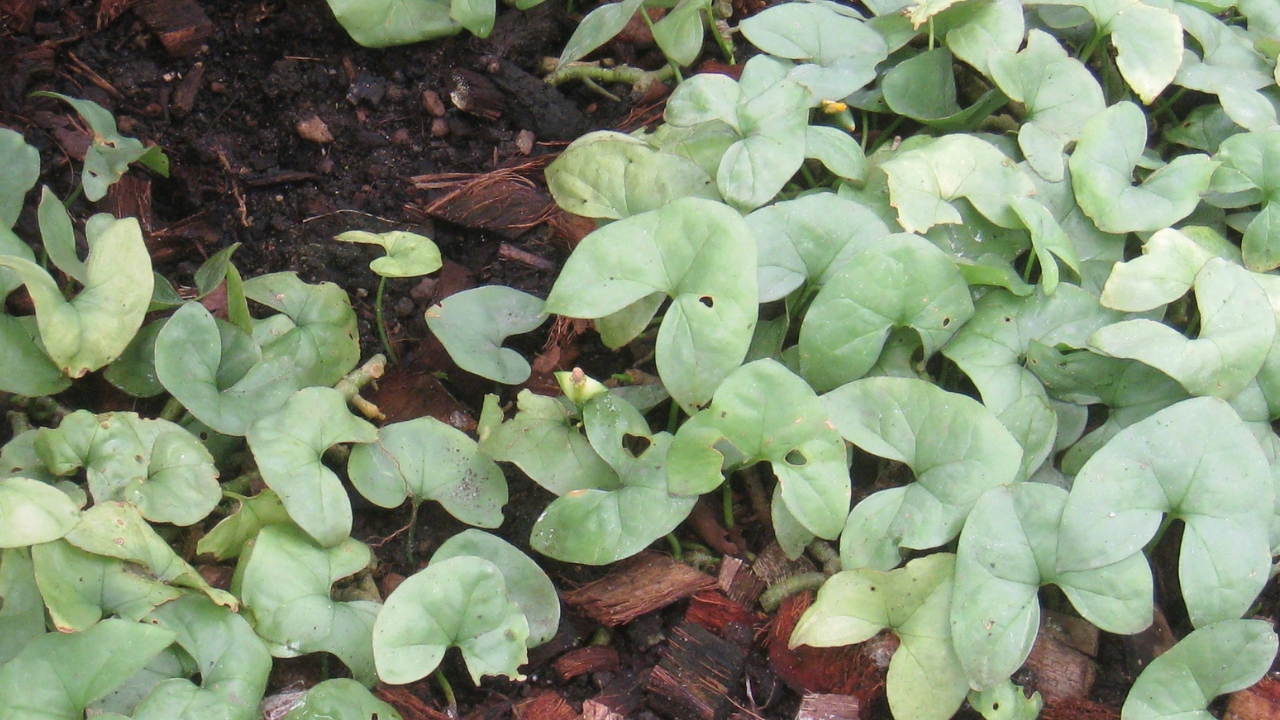
Nephthytis, commonly known as arrowhead vine, is a beautiful tropical houseplant loved for its decorative foliage and easy-care nature. Its leaves usually begin as arrow-shaped when young and gradually change form as the plant matures. The plant belongs to the Syngonium family and is popular among beginner plant owners because it adapts well to indoor environments and requires minimal maintenance.
Native to tropical regions of Central and South America, Nephthytis thrives in warm and humid conditions. Indoors, it can be grown as a compact tabletop plant, a hanging basket plant, or even trained to climb using a moss pole or trellis. Its vibrant foliage comes in various shades of green, cream, pink, and white, making it an attractive addition to homes and offices.
One of the biggest reasons beginners choose Nephthytis is its forgiving nature. Even if watering schedules are occasionally missed, the plant often recovers quickly with proper care. This resilience makes it an excellent choice for anyone starting their indoor gardening journey.
Choosing the Right Spot for Nephthytis
Proper placement is one of the most important factors in keeping a Nephthytis plant healthy. This tropical plant enjoys bright, indirect light. A location near an east-facing window is often ideal because it receives gentle morning sunlight without exposing the leaves to harsh afternoon rays.
Although Nephthytis can tolerate lower light conditions, growth may become slower and the foliage color less vibrant. Variegated varieties especially need brighter light to maintain their patterns and colors. However, direct sunlight can scorch the delicate leaves, leaving brown spots or faded patches.
Temperature also plays an important role in the plant’s overall health. Nephthytis prefers temperatures between 18°C and 27°C. Sudden temperature drops or cold drafts can stress the plant and cause leaf damage. Keep it away from air conditioners, heaters, and frequently opened doors during winter.
Humidity is another factor worth considering. Since the plant originates from tropical climates, it appreciates moderate to high humidity levels. While normal indoor humidity is often acceptable, occasional misting or placing the plant near a humidifier can encourage lush growth.
Best Soil for Healthy Growth
Nephthytis grows best in light, airy, and well-draining soil. A dense or compact soil mix can trap excess moisture and increase the risk of root rot. A high-quality indoor potting mix combined with perlite or coco coir creates an ideal growing medium.
Drainage is essential because the roots dislike sitting in soggy soil. Always use a pot with drainage holes to allow excess water to escape freely. Decorative containers without drainage should only be used as outer covers rather than direct planting pots.
Repotting is generally needed every one to two years, especially when the roots begin circling the pot or emerging through drainage holes. Moving the plant to a slightly larger pot gives the roots room to expand and encourages healthier growth. Spring is usually the best time for repotting because the plant enters its active growing phase during warmer months.
Watering Nephthytis Properly
One of the most common mistakes beginners make is overwatering. Nephthytis likes evenly moist soil but does not tolerate waterlogged conditions. The top inch of soil should be allowed to dry slightly before watering again.
During spring and summer, the plant typically needs more frequent watering because growth is more active. In cooler months, watering should be reduced since the plant uses less moisture. Always check the soil with your finger before adding water rather than following a rigid schedule.
When watering, thoroughly soak the soil until excess water drains from the bottom of the pot. Empty the saucer afterward so the roots are not left sitting in standing water. Yellow leaves are often a sign of excessive watering, while dry, crispy leaf edges may indicate underwatering or low humidity.
Using room-temperature water is preferable because extremely cold water can shock the roots. If possible, filtered or distilled water may also help prevent mineral buildup on the leaves over time.
Fertilizing for Better Foliage
Although Nephthytis is not a heavy feeder, occasional fertilizing helps maintain healthy foliage and steady growth. A balanced liquid houseplant fertilizer diluted to half strength works well during the active growing season.
Feeding once a month in spring and summer is usually enough. During autumn and winter, fertilizer applications can be reduced or stopped because growth naturally slows. Overfertilizing may lead to salt buildup in the soil, causing leaf burn and weakened roots.
If the plant appears pale or growth becomes unusually slow despite proper lighting and watering, a light feeding may help restore vigor. However, it is always safer to underfeed than overfeed indoor plants.
Organic options such as compost tea or worm castings can also provide gentle nutrients without overwhelming the plant. Regularly flushing the soil with plain water every few months can help remove excess fertilizer salts.
Pruning and Training the Plant
Nephthytis naturally develops trailing or climbing vines as it matures. Pruning helps maintain a fuller and more compact appearance while encouraging new growth. Trim long stems just above a leaf node using clean scissors or pruning shears.
Regular pruning also removes yellow or damaged leaves, improving the plant’s appearance and overall health. If left untrimmed, vines may become leggy, especially in lower light conditions.
For those who enjoy vertical indoor gardens, Nephthytis can be trained to climb a moss pole or trellis. Climbing encourages larger leaves and a more mature appearance. Simply tie the stems loosely to the support structure as the plant grows.
Pruned stem cuttings can be used for propagation, making it easy to grow new plants from an existing one.
Easy Propagation Methods
Propagation is one of the most rewarding aspects of growing Nephthytis. Stem cuttings root easily in both water and soil, making the process beginner-friendly.
Choose a healthy stem with at least one node and a few leaves attached. Cut just below the node and place the cutting in water or moist potting mix. If using water propagation, roots usually begin forming within a couple of weeks.
Once the roots are several inches long, the cutting can be transferred into soil. Keep the newly planted cutting in a warm, bright location with slightly moist soil until established.
Propagation not only creates additional plants but also helps rejuvenate older plants that may have become leggy over time.
Common Problems and Solutions
Despite being relatively low maintenance, Nephthytis can occasionally experience problems. Yellow leaves are among the most common issues and are often caused by overwatering or poor drainage. Adjusting the watering routine usually solves the problem.
Brown leaf tips may indicate low humidity, underwatering, or excessive fertilizer. Increasing humidity and checking soil moisture can help restore healthy foliage.
Pests such as spider mites, aphids, and mealybugs sometimes appear, especially in dry indoor conditions. Regularly inspecting the leaves and wiping them with a damp cloth helps prevent infestations. In more serious cases, insecticidal soap or neem oil may be used.
Leggy growth typically signals insufficient light. Moving the plant closer to a bright window encourages fuller and healthier development.
Root rot is the most serious issue and occurs when the soil remains constantly wet. Signs include mushy stems, foul-smelling soil, and wilting despite moist conditions. Removing damaged roots and repotting into fresh, well-draining soil can sometimes save the plant.
Benefits of Growing Nephthytis Indoors
Nephthytis offers more than just visual appeal. Its lush foliage creates a calming indoor atmosphere and adds a touch of nature to living spaces. Many plant enthusiasts appreciate its air-purifying qualities, which may help improve indoor air quality.
The plant’s versatility also makes it suitable for different decorating styles. It can be displayed in hanging baskets, on shelves, or as part of larger indoor plant arrangements.
Because it grows relatively quickly, Nephthytis gives beginners a rewarding gardening experience. Watching new leaves unfurl and vines expand can build confidence for caring for more houseplants in the future.
Final Thoughts on Nephthytis Care
Growing Nephthytis is simple and enjoyable, even for complete beginners. With proper lighting, moderate watering, well-draining soil, and occasional feeding, this tropical houseplant can thrive indoors for many years.
Its adaptability, fast growth, and decorative foliage make it one of the easiest houseplants to maintain. Whether used as a trailing vine or a climbing centerpiece, Nephthytis adds beauty and freshness to nearly any indoor space.
By learning its basic care needs and responding quickly to signs of stress, plant owners can enjoy healthy and vibrant growth year-round. For anyone looking to start an indoor garden with a low-maintenance yet visually striking plant, Nephthytis is an excellent choice.
