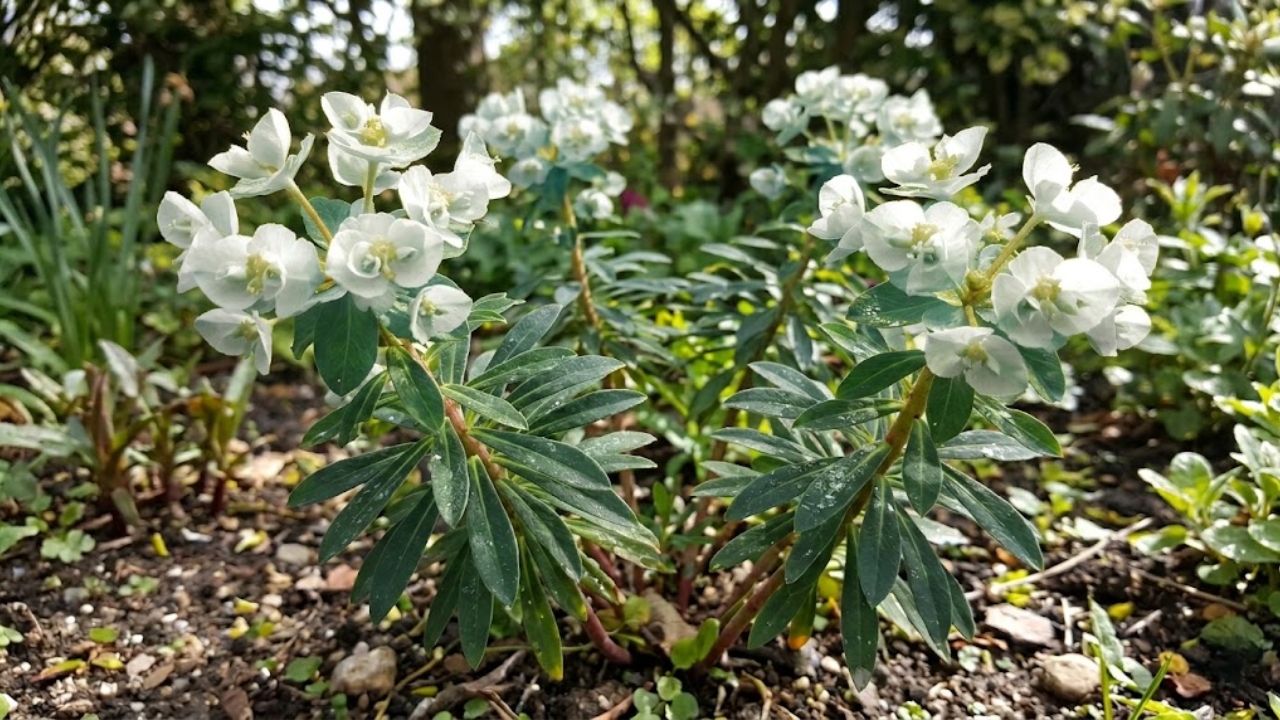
Spurge plants belong to the large and diverse Euphorbia genus, which includes hundreds of species ranging from low-growing ground covers to tall architectural plants and succulent varieties. These plants are admired for their striking foliage, unusual flower structures, drought tolerance, and ability to thrive in difficult garden conditions. Spurges are commonly used in ornamental landscapes, rock gardens, borders, containers, and xeriscaping projects because they provide year-round visual interest with relatively little maintenance.
One of the most interesting features of spurge plants is their unique flower-like structures called cyathia. These colorful bracts often appear brighter and more decorative than the actual flowers, creating a bold display in gardens. Depending on the variety, spurges may produce lime green, yellow, red, orange, or creamy white tones that complement both modern and cottage-style landscapes.
Spurge plants are especially valued for their resilience. Many species tolerate heat, poor soil, drought, and neglect better than traditional flowering plants. However, despite their reputation for toughness, proper care still plays an important role in keeping spurges healthy, vibrant, and long-lasting.
Choosing the Right Spurge Variety
Selecting the right type of spurge is essential for successful growth. Different species have varying sizes, textures, and environmental preferences. Some are evergreen perennials, while others are annuals or succulents.
Popular garden varieties include Euphorbia characias, known for its tall stems and dramatic green blooms, and Euphorbia amygdaloides, prized for its dark foliage and shade tolerance. Cushion spurge, or Euphorbia polychroma, forms compact mounds covered with bright yellow-green flowers in spring. Succulent spurges such as Euphorbia trigona or Euphorbia milii are commonly grown indoors as houseplants.
Before planting, consider your climate, sunlight availability, and garden design goals. Some spurges thrive in full sun and dry soil, while others prefer partial shade and moderate moisture. Understanding the mature size of the variety also helps prevent overcrowding later.
Ideal Growing Conditions for Spurges
Spurge plants generally prefer sunny locations with well-draining soil. Most outdoor varieties perform best with at least six hours of sunlight each day. Strong sunlight encourages compact growth, vibrant foliage color, and better flowering.
Good drainage is one of the most important requirements for healthy spurges. Wet or soggy soil can quickly lead to root rot, especially in succulent types. Sandy or gravelly soil works particularly well because it allows excess moisture to escape easily.
Although spurges tolerate poor soils, they still appreciate moderately fertile conditions. A balanced garden soil enriched with compost can improve overall plant vigor without causing excessive growth. Avoid overly rich soil because it may result in floppy stems and weaker plants.
Temperature tolerance depends on the species, but many spurges are highly adaptable. Some thrive in hot, arid climates, while others survive freezing winters with proper protection. Researching the hardiness zone of your chosen variety helps ensure long-term success.
How to Plant Spurge Properly
Planting spurges correctly helps establish strong roots and reduces transplant stress. Begin by choosing a location with adequate spacing for mature growth. Crowded plants are more susceptible to fungal diseases and poor air circulation.
Dig a hole slightly wider than the root ball but no deeper than the plant’s original container depth. Place the spurge carefully into the hole and backfill with loose soil. Gently firm the soil around the roots without compacting it too tightly.
After planting, water thoroughly to settle the soil and eliminate air pockets. Apply a light layer of mulch around the base to conserve moisture and suppress weeds, but keep mulch away from direct contact with the stems.
When handling spurges, always wear gloves. Most Euphorbia species produce a milky white sap that can irritate the skin and eyes. This sap is toxic if ingested and should be handled with caution around children and pets.
Watering Requirements for Healthy Growth
Although spurges are drought tolerant once established, they still require proper watering during their early growth stages. Newly planted spurges benefit from regular watering until their roots become established.
For mature outdoor plants, deep but infrequent watering is usually best. Allow the soil to dry partially between watering sessions. Overwatering is one of the most common causes of decline in spurges, particularly for succulent varieties.
Indoor spurges should also be watered carefully. Always check the top layer of soil before watering again. During winter dormancy, reduce watering significantly because the plant’s growth slows and excess moisture can damage the roots.
Signs of overwatering include yellowing leaves, mushy stems, wilting despite wet soil, and root rot. Underwatered plants may develop dry, curled leaves or stunted growth. Monitoring soil moisture regularly helps maintain the proper balance.
Fertilizing Spurge Plants
Spurges are not heavy feeders, making them relatively easy to maintain. In many cases, healthy garden soil provides enough nutrients for satisfactory growth. However, occasional feeding can improve foliage color and flowering performance.
Apply a balanced, slow-release fertilizer in early spring when new growth begins. Avoid excessive fertilization because too much nitrogen may encourage weak, leggy growth. Succulent spurges especially benefit from minimal feeding.
Container-grown spurges may require slightly more frequent fertilization because nutrients wash out of pots faster than garden soil. A diluted liquid fertilizer applied once every few weeks during the growing season is usually sufficient.
Organic options such as compost, worm castings, or fish emulsion can also provide gentle nutrition while improving soil health naturally.
Pruning and Maintenance Tips
Regular pruning helps keep spurges tidy, encourages healthy growth, and prevents self-seeding in aggressive varieties. The best time to prune depends on the specific species and flowering cycle.
After flowering, many perennial spurges benefit from cutting back spent flower stems to the base. This encourages fresh growth and improves the plant’s appearance. Evergreen varieties may only require light shaping and removal of damaged stems.
Always use clean, sharp pruning tools and wear protective gloves to avoid contact with the irritating sap. Dispose of cuttings carefully and wash hands thoroughly after pruning.
Some spurges naturally become woody or sparse with age. Dividing or replacing older plants every few years can rejuvenate the garden display and maintain vigorous growth.
Common Problems and How to Fix Them
Spurge plants are generally resistant to many pests and diseases, but occasional problems can still occur. Root rot is one of the most serious issues and is usually caused by poor drainage or excessive watering. Improving soil drainage and reducing irrigation often resolves the problem.
Powdery mildew may appear in humid conditions with poor airflow. Proper spacing and pruning can reduce fungal outbreaks. In severe cases, applying an appropriate fungicide may help control the spread.
Common pests include aphids, spider mites, and mealybugs. These insects typically attack stressed plants. Washing plants with water, using insecticidal soap, or introducing beneficial insects can effectively manage infestations.
Leaf drop or discoloration may result from sudden temperature changes, overwatering, underwatering, or insufficient sunlight. Evaluating environmental conditions usually helps identify the underlying cause.
Growing Spurges Indoors
Many succulent spurges make excellent indoor plants because of their sculptural forms and low water requirements. Indoor varieties prefer bright, indirect sunlight and warm temperatures throughout the year.
Use a cactus or succulent potting mix to ensure excellent drainage. Containers should always have drainage holes to prevent water accumulation at the roots.
Place indoor spurges near sunny windows where they receive several hours of light daily. Rotate the plant occasionally for even growth and balanced shape development.
Indoor humidity is rarely a concern for spurges because most species prefer dry conditions. However, avoid placing them near cold drafts, heating vents, or overly dark areas.
Repot indoor spurges only when they become root-bound. Choose a slightly larger pot rather than an oversized container, which can retain excess moisture.
Propagating Spurge Plants
Propagation is a simple and rewarding way to expand your spurge collection. Many species can be propagated through stem cuttings, division, or seeds.
Stem cuttings are one of the easiest methods. Cut a healthy stem and allow the cut end to dry and callus before planting it in well-draining soil. This drying process reduces the risk of rot and encourages root formation.
Division works well for clump-forming perennial spurges. Carefully dig up the plant and separate healthy sections with roots attached before replanting them individually.
Seed propagation is possible but may take longer and produce variable results depending on the species. Some spurges self-seed readily in gardens, creating naturalized displays over time.
Seasonal Care for Spurges
Seasonal maintenance helps spurges remain healthy throughout the year. In spring, remove winter-damaged growth and apply fertilizer if needed. This is also an ideal time for planting and dividing mature clumps.
During summer, monitor watering carefully, especially during extreme heat. While established spurges tolerate drought well, prolonged dry conditions may still stress young plants.
Autumn is a good time to clean up fading foliage and prepare tender varieties for colder temperatures. In regions with harsh winters, adding mulch around outdoor plants can provide insulation.
Indoor spurges may require reduced watering during winter dormancy. Outdoor evergreen species often maintain attractive foliage throughout colder months, adding valuable texture and color to winter landscapes.
Why Spurges Are a Valuable Garden Plant
Spurge plants combine beauty, resilience, and versatility in ways few ornamentals can match. Their architectural forms, colorful bracts, and drought tolerance make them ideal for modern low-maintenance gardening.
Whether grown in borders, rock gardens, containers, or indoor spaces, spurges provide long-lasting interest with relatively little effort. Their adaptability to challenging conditions makes them especially useful for gardeners seeking sustainable and water-wise planting solutions.
With proper sunlight, well-draining soil, careful watering, and occasional maintenance, spurge plants can thrive for many years. By understanding their unique needs and characteristics, gardeners can enjoy healthy, vibrant spurges that bring texture, color, and structure to nearly any landscape.
