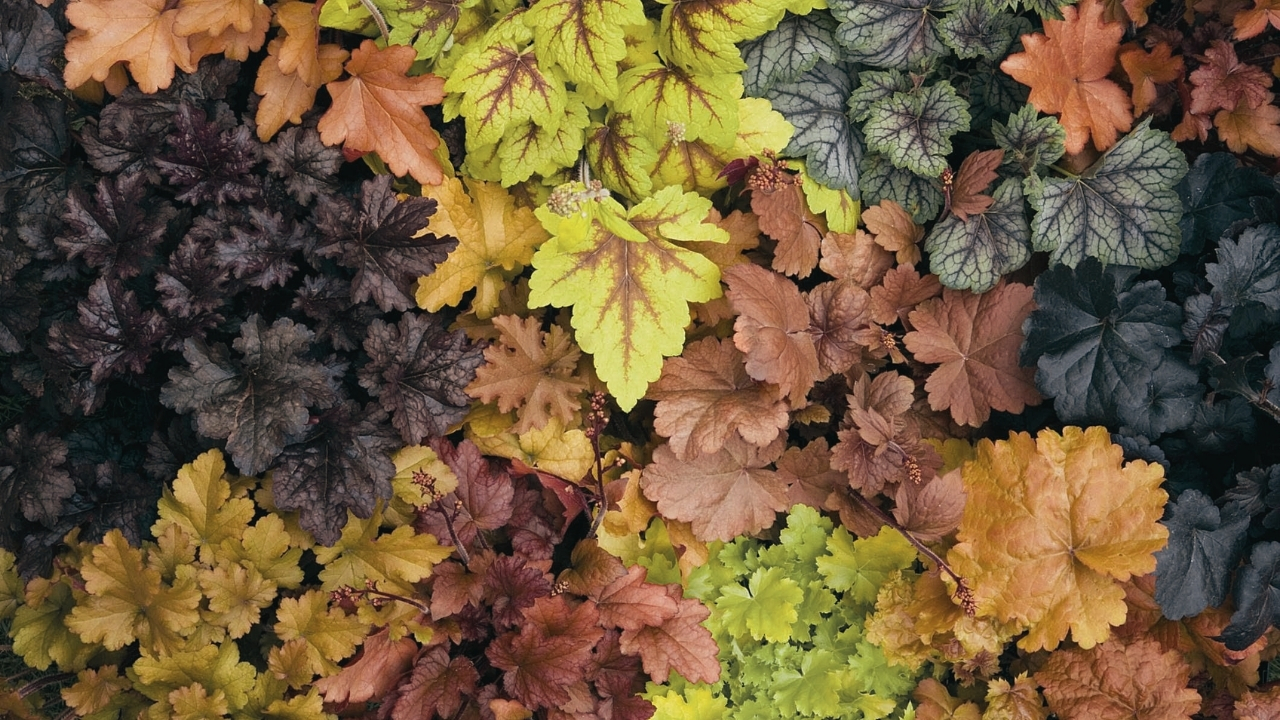
Coral Bells, commonly known by their botanical name Heuchera, are among the most versatile and attractive perennial plants for home gardens. Loved for their colorful foliage and delicate flower spikes, these plants provide year-round interest in borders, woodland gardens, containers, and shaded landscapes. While many flowering plants are grown mainly for their blooms, Coral Bells stand out because their leaves remain beautiful throughout much of the growing season, displaying shades of green, burgundy, purple, caramel, silver, peach, lime, and nearly black depending on the variety.
Native primarily to North America, Heuchera species have adapted to a wide range of climates, making them reliable choices for gardeners in many regions. Their compact growth habit, low maintenance requirements, and ability to brighten shady corners have made them favorites among beginner and experienced gardeners alike.
Whether you’re planting a colorful border, creating a woodland-inspired landscape, or simply looking for an elegant container plant, Coral Bells offer beauty with surprisingly little effort.
Choosing the Best Location for Coral Bells
Selecting the right planting location is one of the most important steps in growing healthy Coral Bells. These perennials perform best where they receive morning sunlight followed by afternoon shade. In cooler climates they can tolerate more direct sun, while gardeners in hotter regions should provide protection from intense afternoon heat to prevent leaf scorch.
Filtered sunlight beneath deciduous trees creates nearly ideal growing conditions. Too much shade can reduce foliage color intensity and flowering, while excessive direct sun may fade leaf colors or cause stress during hot summers.
Good air circulation also helps reduce disease problems, especially in humid climates. Avoid planting in locations where water collects after rainfall, as constantly wet soil can lead to root rot.
Soil Requirements for Healthy Growth
Coral Bells thrive in fertile, well-draining soil rich in organic matter. A slightly acidic to neutral soil pH between 6.0 and 7.0 encourages healthy root development and vibrant foliage.
Before planting, improve heavy clay soils by mixing in compost, leaf mold, or well-rotted organic matter. Sandy soils also benefit from compost, which improves moisture retention while maintaining proper drainage.
One of the biggest threats to Heuchera is soggy soil. Their crowns are especially vulnerable to rotting if they remain wet for long periods. Raised beds and gently sloping garden areas often provide ideal drainage.
How to Plant Coral Bells
Planting Coral Bells correctly gives them the best possible start. Spring and early autumn are generally considered the best planting seasons because temperatures are mild and soil moisture is naturally higher.
Dig a hole slightly wider than the root ball while keeping the depth similar to the nursery container. Position the plant so the crown sits at or just above the soil surface. Planting too deeply can encourage crown rot and weaken the plant over time.
After placing the plant, backfill with enriched soil, gently firm it around the roots, and water thoroughly to remove air pockets. Apply a light layer of mulch around the base while keeping the mulch away from the crown to reduce the risk of rot.
Space most varieties approximately 12 to 18 inches apart, allowing enough room for mature growth and good airflow.
Watering Coral Bells the Right Way
Although Coral Bells become moderately drought tolerant once established, regular watering during their first growing season helps develop strong roots.
Water deeply whenever the top inch of soil begins to dry rather than watering lightly every day. Deep watering encourages roots to grow downward, making plants more resilient during dry periods.
Established plants generally require supplemental watering only during prolonged drought or extreme summer heat. Container-grown Coral Bells dry out faster than those planted in garden beds, so they may need more frequent watering.
Always avoid overwatering. Standing water around the crown remains one of the leading causes of plant decline.
Sunlight Needs Throughout the Seasons
Light requirements can vary depending on foliage color and local climate.
Dark purple and burgundy varieties often tolerate more sunlight, especially in northern regions. Bright yellow, lime, or caramel-colored cultivars usually appreciate additional shade to prevent leaf burn during hot afternoons.
Morning sun enhances foliage color while avoiding excessive heat stress. During exceptionally hot summers, temporary shade during peak afternoon hours can help preserve vibrant leaf coloration.
As seasons change, deciduous trees lose their leaves, allowing Coral Bells to receive additional sunlight during cooler months without suffering heat damage.
Fertilizing for Lush Foliage
Coral Bells are not heavy feeders, but moderate fertilization supports healthy foliage and flowering.
Mix compost into the soil annually to provide slow-release nutrients naturally. In spring, apply a balanced slow-release fertilizer at half the recommended strength. Excess fertilizer often produces soft, weak growth while reducing the intensity of leaf color.
Avoid repeated applications of high-nitrogen fertilizers, as these encourage excessive leafy growth at the expense of the plant’s compact form.
Healthy soil rich in organic matter usually provides much of the nutrition Coral Bells need throughout the growing season.
Mulching and Seasonal Maintenance
Mulching helps regulate soil temperature, conserve moisture, and reduce weed competition. Apply two to three inches of shredded bark, compost, or leaf mulch around plants while keeping the mulch away from the crown.
Each spring, inspect plants for exposed crowns. Natural freeze-and-thaw cycles may gradually push crowns upward. If necessary, gently lift and replant them at the correct depth or add fresh soil around the roots without burying the crown itself.
Remove damaged or tattered leaves as they appear to keep plants looking fresh and encourage new growth.
Flowering and Bloom Care
Although Coral Bells are primarily grown for their colorful foliage, their flowers provide additional beauty. Delicate spikes of tiny bell-shaped blooms rise above the leaves from late spring through summer, attracting bees, butterflies, and hummingbirds.
Flower colors range from creamy white and soft pink to bright coral and deep red depending on the variety.
Removing faded flower stalks after blooming helps maintain a tidy appearance and directs the plant’s energy toward producing healthy foliage instead of seeds.
Some gardeners leave flower spikes in place for wildlife or natural garden aesthetics before trimming them back later in the season.
Growing Coral Bells in Containers
Coral Bells adapt exceptionally well to container gardening, making them perfect for patios, balconies, porches, and entryways.
Choose containers with generous drainage holes and fill them with a high-quality potting mix containing compost and perlite for improved drainage.
Containers dry out faster than garden beds, so monitor soil moisture more frequently, especially during warm weather. Water thoroughly whenever the upper layer of soil feels dry.
Container-grown plants may benefit from occasional feeding during the growing season because nutrients gradually wash out with repeated watering.
Combining Coral Bells with shade-loving companions such as ferns, hostas, or ornamental grasses creates striking container displays.
Propagating Coral Bells Successfully
Propagation allows gardeners to expand their collection while rejuvenating older plants.
Division is the easiest and most reliable method. Every three to five years, mature clumps can be carefully lifted during spring or early autumn. Separate healthy sections that include both roots and growing crowns before replanting them immediately.
Stem cuttings from certain varieties may also root successfully under humid conditions, although division remains faster and more dependable.
Growing Coral Bells from seed is possible, but seedlings often differ from the parent plant, particularly with hybrid cultivars.
Common Problems and How to Prevent Them
Coral Bells are generally resilient but may occasionally encounter a few issues.
Root and crown rot usually develop because of poor drainage or excessive watering. Prevent this by planting in well-draining soil and avoiding waterlogged conditions.
Heuchera vine weevils can damage roots, while aphids occasionally feed on tender growth. Regular inspection helps identify pest problems before they become severe.
Powdery mildew and leaf spot diseases may occur in humid environments with poor air circulation. Proper spacing, avoiding overhead watering, and removing infected foliage greatly reduce disease risk.
Winter heaving, caused by repeated freezing and thawing, can expose plant crowns. Checking plants in early spring and gently repositioning them prevents long-term damage.
Best Companion Plants for Coral Bells
Coral Bells pair beautifully with numerous shade-loving perennials and shrubs. Their colorful foliage creates attractive contrasts against green plants while complementing flowering companions.
Hostas provide bold leaf textures that highlight Coral Bells’ intricate foliage. Ferns contribute soft, feathery forms that blend naturally in woodland gardens. Astilbes add elegant flower plumes, while Brunnera introduces silver-patterned leaves that harmonize with many Heuchera varieties.
Spring bulbs such as daffodils and tulips emerge before Coral Bells reach full growth, creating extended seasonal interest within the same planting area.
Winter Care for Long-Lasting Plants
Coral Bells remain semi-evergreen or evergreen in many climates, offering year-round foliage interest.
During late autumn, apply a protective mulch after the ground begins freezing. This helps stabilize soil temperatures and minimizes frost heaving rather than simply preventing freezing.
Avoid cutting back healthy evergreen leaves before winter, as they help protect the crown. Instead, remove damaged foliage in early spring when fresh growth begins emerging.
Container-grown plants may require additional protection in regions with harsh winters. Moving containers to a sheltered location or insulating the pots helps protect roots from repeated freezing.
Enjoying Healthy Coral Bells Year After Year
Coral Bells are among the easiest ornamental perennials to grow when their basic needs are met. Providing well-draining soil, moderate moisture, partial shade, and occasional maintenance rewards gardeners with colorful foliage that lasts through multiple seasons. Their graceful flowers, adaptability to containers, wildlife-friendly blooms, and impressive range of leaf colors make them valuable additions to almost any landscape.
With proper planting, regular observation, and simple seasonal care, Heuchera plants continue to expand into attractive clumps that enhance borders, woodland gardens, pathways, and patio containers for many years. Their enduring beauty and dependable performance ensure that Coral Bells remain one of the finest foliage perennials for gardens of every size.
