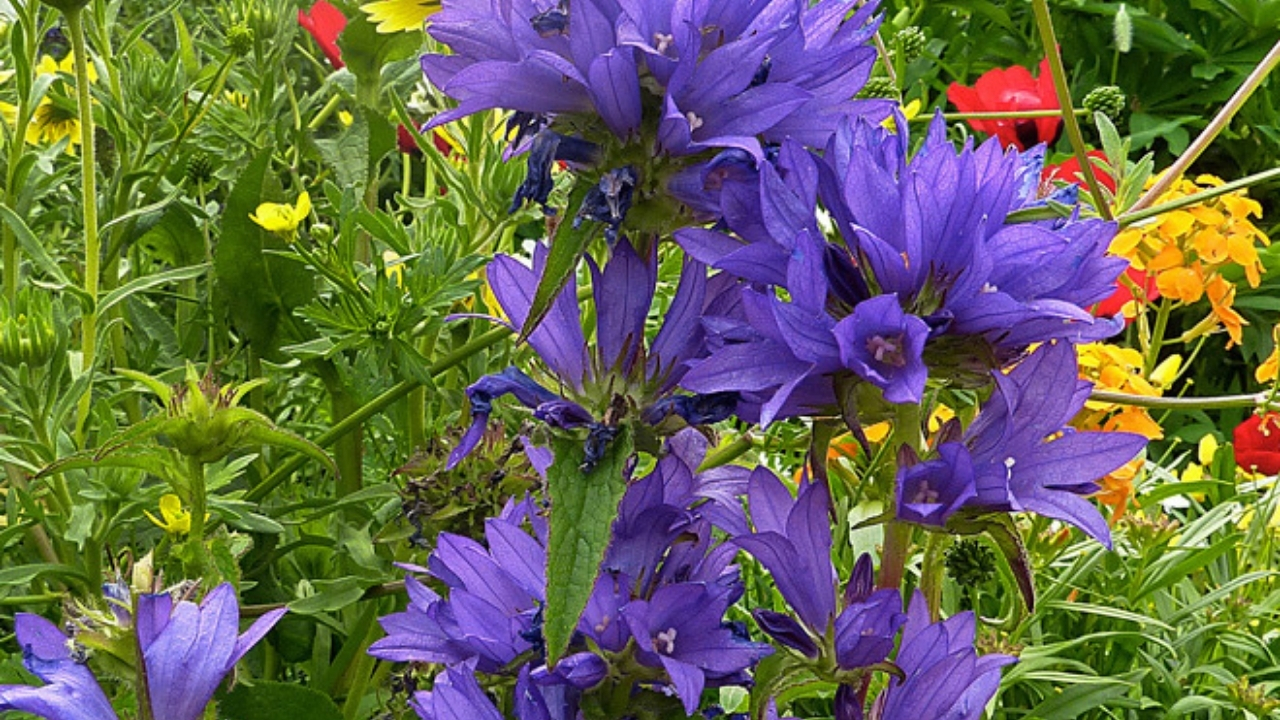
Bellflowers, commonly known by their botanical name Campanula, are among the most charming flowering perennials you can grow in a home garden. Their delicate, bell-shaped blooms create a graceful display that brightens borders, rock gardens, containers, and cottage-style landscapes. Available in shades of blue, purple, lavender, pink, and white, these flowers bloom generously and attract bees, butterflies, and other valuable pollinators throughout the growing season.
Campanula includes hundreds of species, ranging from low-growing ground covers to taller varieties that add height and elegance to flower beds. Their adaptability, long blooming period, and relatively low maintenance needs make them a favorite for both beginner and experienced gardeners. Whether you’re creating a colorful perennial border or looking for flowers that naturalize beautifully over time, bellflowers are an excellent choice.
Choosing the Right Bellflower Variety
Before planting, it helps to choose a Campanula variety suited to your garden style and climate. Low-growing varieties are perfect for edging pathways, filling rock gardens, or spilling over retaining walls. Taller species work beautifully in mixed perennial borders, where their upright stems create attractive vertical interest.
Some varieties bloom earlier in summer, while others continue flowering well into late summer with proper care. Selecting different species can provide an extended season of color throughout your garden. When purchasing plants, always choose healthy specimens with vibrant green foliage and strong stems free from signs of pests or disease.
Best Growing Conditions for Campanula
Bellflowers thrive in locations that receive plenty of sunlight while remaining cool enough to avoid excessive heat stress. Most varieties perform best with six or more hours of direct sunlight each day. In regions with extremely hot summers, providing afternoon shade helps protect flowers from fading and extends the blooming season.
Temperature also plays an important role. Campanulas generally prefer mild to cool climates and flourish in areas where summer temperatures remain moderate. Good air circulation around plants reduces disease problems and keeps foliage healthy throughout the growing season.
These plants are remarkably cold-hardy, surviving winter temperatures in many regions when properly established. Applying mulch before winter offers additional protection, particularly in areas with repeated freeze-thaw cycles.
Selecting the Ideal Soil
Healthy soil is one of the biggest factors in successfully growing bellflowers. Campanulas prefer fertile, well-draining soil that retains enough moisture without becoming waterlogged. Heavy clay soils should be improved with compost or other organic matter to enhance drainage and root development.
A slightly acidic to neutral soil pH generally produces the healthiest growth. Mixing compost into the planting area before installation enriches the soil, improves texture, and provides slow-release nutrients that support vigorous flowering.
Avoid planting in areas where standing water collects after rain, as prolonged wet conditions may lead to root rot and other fungal problems.
How to Plant Bellflowers
Planting Campanula is straightforward and can be done in either spring or early autumn. Cooler weather allows roots to establish before facing summer heat or winter cold.
Dig a planting hole slightly wider than the root ball while maintaining the same planting depth as the nursery container. Position the plant carefully, backfill with soil, and gently firm it around the roots. Water thoroughly after planting to eliminate air pockets and encourage root establishment.
If planting multiple bellflowers, provide enough spacing according to the mature size of the chosen variety. Good spacing improves airflow, reduces disease risk, and allows each plant to develop naturally.
Adding a light layer of mulch around newly planted specimens helps conserve soil moisture, suppress weeds, and regulate soil temperature.
Growing Bellflowers from Seeds
Growing Campanula from seed is rewarding, although it requires a little patience. Seeds can be started indoors several weeks before the final frost or sown directly outdoors after frost danger has passed.
Use a fine seed-starting mix and lightly press seeds onto the surface, as many Campanula species require light for successful germination. Keep the growing medium consistently moist but never saturated.
Seedlings usually emerge within a few weeks under favorable conditions. Once they develop several true leaves, gradually harden them off before transplanting into the garden. While some varieties bloom during their first year, others may require an additional growing season before producing abundant flowers.
Watering Bellflowers Properly
Consistent watering helps Campanulas establish strong root systems and produce continuous blooms. Newly planted bellflowers need regular watering until fully rooted. Mature plants become moderately drought tolerant but still perform best with even moisture.
Allow the upper layer of soil to dry slightly between watering sessions while ensuring deeper soil remains lightly moist. Deep watering encourages roots to grow downward, making plants more resilient during dry weather.
Avoid frequent shallow watering, which encourages weak surface roots. Water at the base of the plant instead of wetting the foliage whenever possible, reducing the likelihood of fungal diseases.
Fertilizing for Healthy Growth and Blooming
Bellflowers are not particularly heavy feeders, but moderate fertilization supports lush foliage and prolonged flowering. Incorporating compost into the soil each spring often provides enough nutrients for healthy development.
If additional feeding is needed, apply a balanced slow-release fertilizer early in the growing season. Excessive nitrogen should be avoided because it promotes leafy growth at the expense of flowers.
Container-grown Campanulas benefit from occasional liquid feeding during active growth since nutrients wash out of pots more quickly than garden beds.
Pruning and Deadheading Bellflowers
Routine maintenance keeps bellflowers attractive and encourages additional blooms. Removing faded flowers, known as deadheading, prevents unnecessary seed production and redirects energy toward producing new blossoms.
After the first major flowering flush, lightly trim plants to encourage fresh foliage and another round of blooming in many varieties. Removing damaged, yellowing, or diseased leaves also improves overall plant health.
At the end of the growing season, cut back dead stems after frost or leave some seed heads standing if you wish to provide winter interest and food for birds.
Growing Bellflowers in Containers
Campanulas adapt surprisingly well to container gardening, making them an excellent option for patios, balconies, and small outdoor spaces. Choose containers with drainage holes and fill them with high-quality potting mix that drains well while retaining moderate moisture.
Potted plants dry out faster than those growing in the ground, so monitor soil moisture regularly during warm weather. Place containers where they receive morning sun and some afternoon protection in hotter climates.
Regular deadheading and occasional feeding help container-grown bellflowers maintain their colorful display throughout the season.
Common Pests and Diseases
Bellflowers are generally reliable plants, but occasional problems can occur. Slugs and snails are among the most common pests, especially during cool, damp weather. They feed on tender young leaves and flowers, sometimes causing noticeable damage.
Aphids may gather on new shoots, while spider mites occasionally appear during prolonged hot, dry conditions. Regular inspection allows early treatment before infestations become severe.
Powdery mildew, crown rot, and root rot can develop when plants remain excessively wet or crowded. Proper spacing, good drainage, and watering near the soil surface greatly reduce these issues.
Maintaining healthy growing conditions is often the best defense against both pests and diseases.
Propagating Bellflowers
Campanulas can be propagated through division, stem cuttings, or seeds. Division is one of the easiest and most reliable methods for perennial varieties. Every few years, dig mature clumps in spring or autumn and separate them into smaller sections with healthy roots attached.
Replant divisions immediately and water thoroughly to help them establish. This process rejuvenates older plants while producing additional specimens for other garden areas.
Stem cuttings taken during active growth also root successfully under suitable conditions, allowing gardeners to multiply favorite varieties with consistent characteristics.
Seasonal Care Throughout the Year
Spring is the ideal time to clean away winter debris, divide overcrowded clumps, and apply compost around established plants. Fresh growth begins quickly as temperatures rise.
Summer focuses on watering, deadheading, and enjoying continuous blooms. Removing faded flowers regularly keeps plants neat and encourages repeat flowering.
Autumn is suitable for planting new Campanulas in many climates. Cooler temperatures reduce transplant stress and encourage root development before winter.
During winter, most hardy varieties require very little attention beyond maintaining mulch in colder regions. Avoid overly wet winter soil, which can damage dormant roots.
Landscaping Ideas with Campanula
Bellflowers blend beautifully with many other flowering perennials. Their soft colors complement ornamental grasses, roses, salvias, lavender, daisies, and flowering shrubs. Low-growing varieties soften stone pathways, cascade over walls, or fill gaps between stepping stones.
Taller Campanulas add movement and texture to mixed borders, while compact types brighten window boxes and decorative containers. Their long blooming period makes them valuable companions for spring and summer flowering plants.
Because they attract beneficial pollinators, bellflowers also contribute to a healthier, more vibrant garden ecosystem while providing months of graceful color.
Final Thoughts
Bellflowers are dependable, elegant perennials that reward gardeners with abundant blooms and relatively simple care requirements. By providing well-drained soil, adequate sunlight, consistent moisture, and occasional maintenance, Campanulas can thrive for many years in gardens of every size.
Whether planted in borders, rock gardens, containers, or cottage landscapes, these charming flowers offer lasting beauty and attract valuable pollinators throughout the growing season. With thoughtful planting, seasonal care, and regular deadheading, your Campanula plants will continue producing their iconic bell-shaped blossoms year after year, creating a colorful and welcoming garden that remains attractive from spring through late summer.
