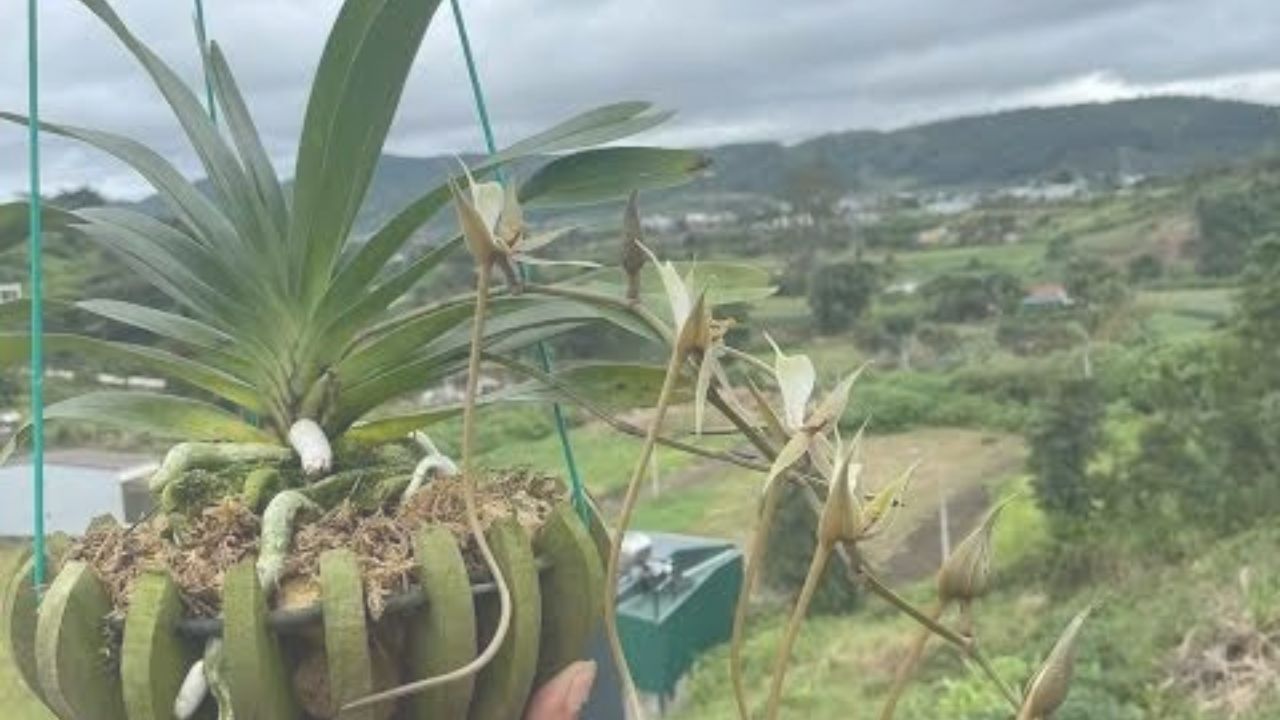
Plectrelminthus is a distinctive plant group that can be an interesting addition to a collection of unusual ornamental plants. Its attractive growth habit and specialized appearance make it particularly appealing to gardeners who enjoy growing less common species. Like many plants that are not commonly found in ordinary garden centers, Plectrelminthus benefits from thoughtful care rather than simply following a standard houseplant routine.
Successful cultivation begins with understanding the plant’s natural preferences. Good light, excellent drainage, controlled watering, and suitable humidity are important for maintaining healthy growth. Instead of keeping the growing medium constantly wet, gardeners should aim to create conditions where the roots receive moisture while still having access to plenty of air. Once these basic requirements are balanced, Plectrelminthus can develop steadily and remain attractive for a long time.
Choosing the Right Location
The location you choose can have a major influence on how well Plectrelminthus grows. A bright position with filtered or indirect light is generally a good starting point. Strong direct sunlight, particularly through a hot window during the afternoon, can cause leaf stress, scorching, or excessive drying of the growing medium.
An area near an east- or west-facing window can provide useful natural light, provided the plant is protected from intense exposure. If the available indoor light is weak, a suitable grow light can help maintain consistent growth. Good air circulation is also valuable because stagnant, humid conditions can encourage fungal problems and other forms of plant stress.
Plectrelminthus should also be protected from sudden environmental changes. Avoid placing it directly beside heating vents, air conditioners, cold drafts, or frequently opened exterior doors. A stable environment generally produces more consistent growth.
Understanding Light Requirements
Light is one of the most important factors in successful Plectrelminthus cultivation. The plant needs enough light to support photosynthesis and healthy development, but excessive direct sunlight can be equally problematic.
Bright, filtered light is often preferable to harsh exposure. If the leaves begin looking pale, stretched, or unusually weak, insufficient light may be responsible. On the other hand, brown patches or scorched-looking areas can indicate excessive direct sunlight.
When growing indoors, rotate the container occasionally so different sides of the plant receive similar exposure. This encourages more balanced growth and prevents the plant from leaning strongly toward the light source. If artificial lighting is used, position the light according to the manufacturer’s recommended distance and provide a consistent daily schedule rather than leaving it on continuously.
Selecting the Best Soil
A suitable growing medium should provide both moisture retention and excellent drainage. Heavy garden soil is usually not the best choice for container cultivation because it can remain saturated around the roots and restrict air movement.
A loose, porous mixture is more appropriate. A combination of quality potting medium with materials such as perlite, coarse sand, orchid bark, or another drainage-improving component can create a healthier root environment. The exact mixture can be adjusted depending on the growing conditions and the container being used.
The most important goal is to avoid compacted soil. After watering, excess moisture should be able to move freely through the pot. If water remains around the roots for long periods, the risk of root deterioration increases significantly.
Choosing the Right Container
The container should always have adequate drainage holes. This simple feature is essential because it allows excess water to escape instead of collecting at the bottom of the pot.
Choose a container that is only moderately larger than the current root system. Moving a small plant into an excessively large container can leave a large volume of unused soil that stays wet for too long. This can make watering more difficult to manage.
As Plectrelminthus develops, it can eventually be moved into a slightly larger pot. Repotting is best done when the plant has outgrown its existing container or when the growing medium has become compacted or degraded.
Watering Plectrelminthus Correctly
Watering should be based on the condition of the growing medium rather than a rigid calendar. Before watering, check the upper portion of the soil with your finger. If it has begun to dry, the plant may be ready for another thorough watering.
When watering, apply enough water to moisten the root zone evenly and allow excess water to drain from the bottom of the container. Do not allow the pot to sit in standing water afterward.
The frequency will vary according to temperature, humidity, container size, soil composition, and light levels. During warmer or brighter periods, the plant may require water more frequently. During cooler periods or slower growth, the soil may remain moist for longer.
Overwatering is one of the most common problems with container-grown plants. Yellowing foliage, unpleasant-smelling soil, weak growth, and declining roots can all be signs that moisture management needs attention.
Maintaining Suitable Humidity
Humidity can influence the overall appearance and vigor of Plectrelminthus, particularly when it is grown indoors in a dry environment. Moderate, stable humidity is generally preferable to constantly changing conditions.
If indoor air is very dry, placing the plant near other plants can create a slightly more humid microenvironment. A room humidifier can also provide more consistent moisture in the air when necessary.
Avoid keeping the foliage continuously wet. Good air circulation is important because excessive surface moisture combined with poor ventilation can increase the possibility of fungal and bacterial problems.
Temperature and Seasonal Care
Plectrelminthus should be protected from extreme temperatures and sudden fluctuations. A stable indoor environment is often easier to manage than an exposed outdoor location.
During the growing season, provide adequate light and water whenever the growing medium begins to dry. In cooler months, growth may slow considerably. At that time, the plant generally uses water more slowly, so watering should be adjusted accordingly.
Never follow the same watering schedule throughout the entire year without checking the soil. Seasonal changes in light and temperature can significantly affect how quickly moisture is lost.
Feeding and Fertilizing
Plectrelminthus can benefit from occasional feeding during periods of active growth. A balanced, diluted fertilizer can provide nutrients needed for healthy foliage and development.
It is better to use a weaker fertilizer consistently than to apply excessive amounts at once. Strong fertilizer concentrations can damage roots and create salt buildup in the growing medium.
If the plant is growing slowly or appears stressed, avoid assuming that additional fertilizer is the solution. Poor light, inappropriate watering, damaged roots, or unsuitable temperatures can also cause weak growth. Correct the growing environment first and use fertilizer as a supplement rather than a replacement for good care.
Pruning and General Maintenance
Regular maintenance helps keep Plectrelminthus looking healthy and attractive. Remove damaged, dead, or severely unhealthy plant material using clean cutting tools. Pruning should be moderate and purposeful rather than excessive.
Cleaning away old material also improves airflow around the plant and makes it easier to inspect the foliage for pests or signs of disease. When pruning, clean the cutting tool before and after use to reduce the possibility of transferring pathogens.
Inspect the plant regularly, particularly around new growth and the undersides of leaves. Early detection makes it much easier to address potential problems before they spread.
Propagating Plectrelminthus
Propagation methods depend on the particular Plectrelminthus species and its growth structure. Where suitable plant material is available, vegetative propagation can be attempted using healthy sections with viable growth points.
Cuttings should be taken from healthy, actively growing material with a clean, sharp tool. The cutting should then be placed in a clean, well-draining propagation medium appropriate for the plant.
Avoid keeping propagation material excessively wet. A warm environment with suitable humidity and indirect light can encourage rooting while reducing the risk of rot. Patience is important because new roots may take time to develop.
Once a propagated plant has established a healthy root system and begins producing new growth, it can gradually be moved into a normal growing environment.
Common Problems and Their Solutions
Yellow leaves can have several causes, including excessive moisture, insufficient light, nutrient problems, or natural aging. Examine the growing conditions before changing multiple factors at once.
Brown or crispy leaf edges may indicate dry conditions, excessive sunlight, inconsistent watering, or low humidity. Adjust environmental conditions gradually rather than making sudden changes.
Slow growth may result from inadequate light, cool temperatures, poor nutrition, or an unsuitable root environment. Check the plant’s basic requirements before applying additional fertilizer.
Root problems are particularly concerning when the soil remains wet for extended periods. If the plant shows persistent decline despite appropriate care, inspect the roots and replace severely damaged growing material with a fresh, well-draining medium.
Repotting Plectrelminthus
Repotting is useful when the roots have filled the existing container, drainage has become poor, or the growing medium has broken down. Choose a container only slightly larger than the previous one and use fresh, porous growing medium.
Remove the plant carefully and disturb the roots as little as practical. Examine them for obvious damage or decay and remove severely compromised material with clean tools.
After repotting, water carefully and place the plant in bright, indirect light. Avoid heavy fertilization immediately after repotting because the roots may need time to adjust to their new environment.
Creating a Long-Term Care Routine
A simple routine is usually more effective than constantly changing the plant’s conditions. Check the growing medium regularly, observe the foliage, monitor light exposure, and inspect for pests.
Water when the plant actually needs moisture rather than according to a fixed schedule. Adjust care during seasonal changes, especially when indoor temperatures and daylight levels change.
Keeping notes about watering, repotting, and feeding can also help identify patterns. Over time, these observations make it easier to understand how your particular growing environment affects Plectrelminthus.
Final Tips for Growing Plectrelminthus Successfully
Growing Plectrelminthus at home becomes much easier when the basic conditions are balanced. Provide bright but appropriate light, use a loose and well-draining growing medium, water according to soil moisture, maintain stable temperatures, and avoid prolonged waterlogging.
Good drainage is particularly important because healthy roots are the foundation of strong growth. Regular observation is equally valuable. Changes in leaf color, texture, growth rate, and soil moisture can provide early clues that the plant’s environment needs adjustment.
With patience and consistent care, Plectrelminthus can become an unusual and rewarding addition to a well-maintained plant collection. Rather than relying on a strict schedule, focus on understanding the plant’s responses and adapting its care to the conditions in your home.
