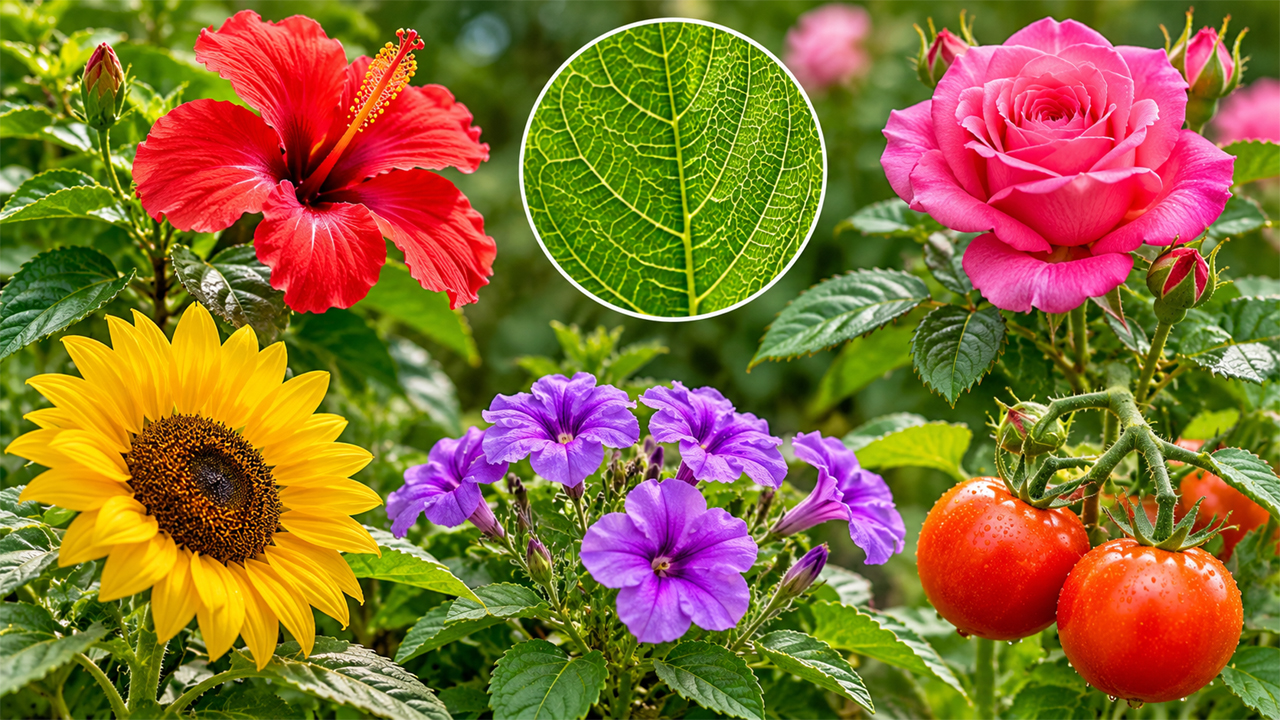
Eudicots are one of the largest and most diverse groups of flowering plants in the world. They include thousands of familiar plants, such as roses, sunflowers, tomatoes, beans, peas, oak trees, and many garden vegetables. These plants are commonly recognized by their seeds, which typically contain two cotyledons, or seed leaves. Most eudicots also develop broad leaves with branching veins, flower parts arranged in groups of four or five, and root systems that often feature a prominent main root.
Growing eudicots can be an enjoyable and rewarding gardening experience because this group includes ornamental flowers, vegetables, fruit-bearing plants, herbs, shrubs, and trees. Although different species have different growing requirements, many share similar basic needs, including suitable soil, adequate sunlight, regular watering, and proper maintenance. Understanding these requirements makes it easier to grow healthy plants in gardens, containers, and outdoor landscapes.
Choosing the Right Eudicot Plants for Your Garden
The first step in growing eudicots is selecting plants that suit your climate, available space, and gardening goals. If you enjoy growing vegetables, tomatoes, peppers, beans, peas, and eggplants are popular choices. For colorful gardens, consider roses, marigolds, hibiscus, zinnias, and sunflowers. Herbs such as basil, mint, coriander, and parsley can also provide useful additions to a home garden.
Before choosing a plant, consider its mature size, sunlight requirements, watering needs, and growing season. Some eudicots grow well in warm, sunny conditions, while others prefer cooler temperatures or partial shade. Native plants are often particularly suitable because they are adapted to local environmental conditions.
Beginners should start with easy-growing varieties that do not require complicated care. Selecting healthy seeds or young plants from reliable sources also improves the chances of successful growth.
Selecting the Best Location for Planting
Choosing an appropriate location is important for healthy eudicot development. Most flowering plants and vegetables require several hours of sunlight each day to produce strong stems, healthy foliage, and flowers. However, sunlight requirements vary between species, so check the needs of each plant before selecting its growing location.
A sunny garden bed is suitable for plants such as tomatoes, sunflowers, and marigolds. Plants that prefer partial shade can be placed near taller plants, walls, or areas receiving filtered sunlight. If you are growing eudicots in containers, choose a location where they receive suitable light and have enough room to develop.
Good air circulation is another important consideration. Avoid overcrowding plants because limited airflow can encourage fungal diseases and increase pest problems. Leave enough space between plants to support healthy growth.
Preparing the Soil for Healthy Growth
Healthy soil provides the foundation for successful eudicot cultivation. Most garden eudicots grow best in fertile, well-draining soil that contains sufficient organic matter. Soil that remains waterlogged can damage roots, while extremely dry or compacted soil can restrict root development and nutrient absorption.
Begin by removing weeds, stones, and unwanted plant material from the planting area. Loosen the soil with a garden fork or spade to improve its structure and allow roots to spread more easily. Adding mature compost or well-rotted organic matter can improve soil fertility, moisture retention, and drainage.
A slightly acidic to neutral soil pH suits many common garden eudicots, although individual species may have different preferences. Testing the soil before planting can help identify whether adjustments are necessary.
For container gardening, use a quality potting mix rather than ordinary heavy garden soil. Make sure every container has drainage holes to prevent excess water from collecting around the roots.
Planting Eudicot Seeds and Young Plants
Eudicots can be grown from seeds, seedlings, cuttings, or established nursery plants, depending on the species. Growing from seeds is an affordable way to produce many plants, while purchasing young plants can help beginners achieve quicker results.
To sow seeds, prepare the soil and follow the recommended planting depth indicated on the seed packet. Small seeds generally need shallow planting, while larger seeds can be placed deeper. Cover them lightly with soil and water gently to maintain consistent moisture.
Once seedlings emerge, provide enough light to prevent weak, stretched growth. When they develop several true leaves, they may need to be thinned or transplanted to provide sufficient space.
When transplanting young plants, dig a hole slightly wider than the root ball. Carefully remove the plant from its original container, position it at the appropriate depth, and fill the surrounding area with soil. Water immediately after planting to settle the soil around the roots.
Providing the Right Amount of Water
Water is essential for seed germination, nutrient transportation, photosynthesis, and overall plant development. However, different eudicot species require different watering schedules depending on their size, soil type, climate, and growing stage.
Newly planted seeds and seedlings need consistent moisture because their developing roots can dry out quickly. Established plants generally require deeper watering that reaches their root systems. Rather than following a fixed daily schedule, check the soil before watering.
Insert your finger into the top few centimeters of soil. If it feels dry, watering may be necessary. If it remains wet, allow additional time for the soil to dry.
Water near the base of the plant instead of repeatedly wetting the leaves. Morning is generally a good time because plants can absorb moisture before the warmer part of the day. Avoid overwatering, as constantly saturated soil can cause root rot and other problems.
Sunlight and Temperature Requirements
Sunlight allows eudicots to produce energy through photosynthesis. Most common vegetable and flowering varieties grow best with approximately six to eight hours of direct sunlight, although shade-loving species require less.
Temperature also influences germination, flowering, and overall development. Warm-season eudicots, including tomatoes, peppers, and beans, generally perform well in warmer weather. Other plants grow better during cooler seasons and may struggle under excessive heat.
In hot climates, young plants may benefit from temporary afternoon shade, particularly during extreme summer temperatures. Mulching around the base can help keep the soil cooler and reduce moisture loss.
If growing plants indoors, position them near a bright window or provide suitable artificial grow lighting when natural sunlight is insufficient.
Fertilizing Eudicots for Strong Development
Nutrients are necessary for healthy leaves, strong roots, flowering, and fruit production. Nitrogen supports leafy growth, phosphorus contributes to root and flower development, and potassium helps regulate important plant processes.
Adding compost before planting provides a gradual supply of nutrients and improves soil quality. During active growth, some plants may benefit from a balanced fertilizer applied according to the product instructions.
Avoid applying excessive fertilizer because too many nutrients can damage roots, encourage excessive leaf growth, and reduce flowering or fruit production. Plants grown in containers may need more regular feeding because nutrients are gradually removed through watering.
Observe your plants carefully. Pale leaves, slow growth, or poor flowering can sometimes indicate nutrient deficiencies, although watering problems, pests, and unsuitable growing conditions may produce similar symptoms.
Pruning and General Plant Maintenance
Regular maintenance helps eudicots remain healthy, attractive, and productive. Remove dead leaves, damaged stems, and faded flowers whenever necessary. Pruning can improve airflow, encourage branching, and help maintain the desired plant shape.
For flowering plants, removing spent flowers can encourage additional blooms in certain species. Vegetable plants may benefit from removing damaged foliage and providing support for climbing or heavy fruit-bearing stems.
Weeds should also be removed regularly because they compete with garden plants for sunlight, water, and nutrients. Applying organic mulch around plants can reduce weed growth and help maintain consistent soil moisture.
Always use clean gardening tools when pruning. Cleaning tools between plants can reduce the possibility of spreading diseases throughout the garden.
Managing Common Pests and Plant Diseases
Eudicots can experience problems caused by insects, fungal infections, bacteria, and environmental stress. Common garden pests include aphids, whiteflies, caterpillars, spider mites, and mealybugs. These pests may damage leaves, stems, flowers, and developing fruits.
Inspect plants regularly, especially the undersides of leaves and newly developing shoots. Early detection makes pest management easier. Small infestations can sometimes be controlled by removing affected leaves or washing insects away with a gentle stream of water.
Good garden hygiene is equally important. Remove fallen leaves, avoid overcrowding, and water appropriately to reduce conditions that encourage disease. If a plant develops unusual spots, wilting, or powdery growth, identify the problem before selecting a treatment.
When necessary, use suitable garden treatments according to their instructions. Avoid unnecessary pesticide applications, particularly when flowers are attracting bees, butterflies, and other beneficial insects.
Growing Eudicots in Containers and Small Spaces
You do not need a large garden to grow eudicots successfully. Many species can thrive in pots, raised beds, balconies, patios, and other small spaces.
Choose containers according to the mature size of the plant. Small herbs and flowers can grow in relatively compact pots, while tomatoes, peppers, and larger flowering plants need more room for their roots.
Use well-draining potting soil and containers with sufficient drainage holes. Place the pots where they receive the appropriate amount of sunlight and rotate them occasionally if light reaches only one side.
Container plants may dry out faster than plants growing in garden beds, especially during warm weather. Check their moisture levels regularly and provide fertilizer when needed. With proper care, even a small balcony can become a productive and colorful gardening space.
Encouraging Flowering, Fruiting, and Healthy Growth
Once eudicots become established, their growing requirements may change depending on their stage of development. Young plants generally focus on developing roots, stems, and leaves, while mature plants may begin producing flowers, fruits, or seeds.
Provide consistent watering, suitable nutrients, and adequate sunlight to support these changes. Some flowering plants benefit from deadheading, while fruit-bearing varieties may require staking or additional support.
Pollination is also important for many flowering eudicots. Bees, butterflies, and other pollinators help transfer pollen between flowers, supporting seed and fruit production. Growing a variety of flowering plants can attract beneficial insects and improve biodiversity in your garden.
Avoid making sudden changes to growing conditions during flowering and fruit development. Consistent care helps plants remain healthy and produce better results.
Conclusion
Growing eudicots is a rewarding way to create a beautiful, productive, and environmentally friendly garden. From colorful flowers and useful herbs to vegetables, fruit plants, and ornamental shrubs, this diverse group offers something for almost every gardener. Successful cultivation begins with choosing suitable varieties, preparing healthy soil, providing adequate sunlight, and maintaining proper watering practices.
Regular pruning, balanced fertilization, pest monitoring, and good garden hygiene further support healthy development. Whether you have a spacious backyard or a small balcony, you can enjoy growing eudicots with simple and consistent care. By understanding the basic needs of these flowering plants and adjusting your gardening routine to suit individual species, you can maintain stronger plants and enjoy healthy growth throughout the growing season.
