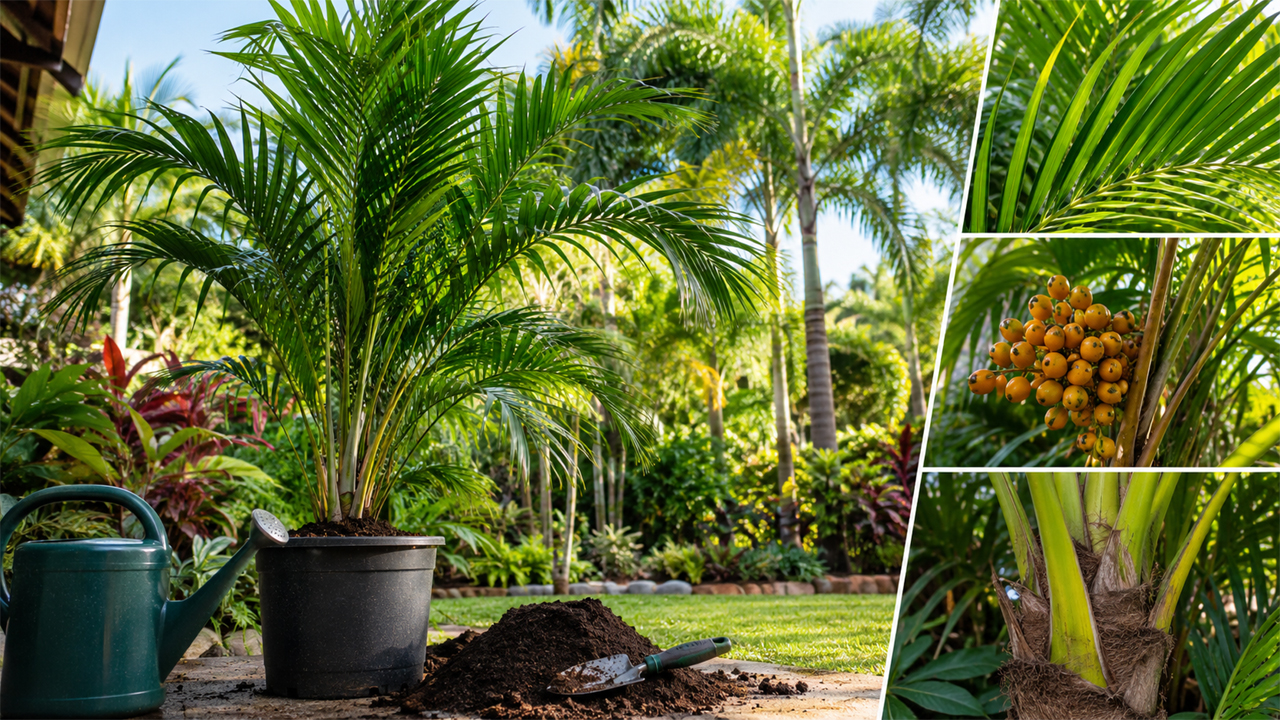
Arecales is an order of flowering plants best known for including palms, some of the most recognizable plants in tropical and subtropical landscapes. From elegant indoor palms to towering trees that line coastal roads and garden pathways, members of this group bring a distinctive combination of beauty, structure, and natural character to almost any environment. Their graceful leaves, upright growth habits, and varied sizes make them popular choices for home gardens, landscape designs, conservatories, and public spaces.
Growing Arecales successfully begins with understanding that this group contains a wide range of plants with different requirements. Although many palms share a preference for warmth and suitable moisture, some thrive in bright tropical sunshine while others grow naturally beneath the shade of larger trees. Choosing the right species for your climate and available space is therefore the foundation of healthy growth.
With proper soil preparation, thoughtful watering, appropriate lighting, and consistent maintenance, many Arecales plants can develop into impressive long-term features. Whether you want to create a tropical garden, add greenery to a patio, or grow a compact palm indoors, learning the fundamentals of palm care can help you achieve attractive and sustainable results.
Choosing the Right Arecales Plants for Your Garden
Selecting suitable plants is one of the most important decisions when planning a garden featuring Arecales. Palms vary considerably in mature height, leaf shape, growth rate, temperature tolerance, and water requirements. Some remain relatively compact, making them useful for containers and small gardens, while others eventually develop large trunks and expansive crowns that require plenty of room.
Before purchasing a plant, consider the available sunlight, the amount of space it will occupy at maturity, and the climate in your region. A species that thrives in a humid tropical garden may struggle in a location with cold winters or prolonged dry conditions. Similarly, a large landscape palm may become unsuitable for a small courtyard once its crown expands.
Container-grown palms offer flexibility because they can be moved when environmental conditions change. However, their roots still require sufficient space, and some species eventually outgrow pots. For outdoor planting, select varieties known to tolerate local temperatures and seasonal rainfall. Native or well-adapted species are often practical choices because they are better suited to the conditions they encounter.
Understanding Ideal Light and Temperature Conditions
Light plays a major role in the health and appearance of Arecales plants. Many palms grow best in bright conditions, but the amount of direct sunlight they tolerate depends on the species and its stage of development. Some mature palms flourish in full sun, while shade-adapted varieties prefer filtered light beneath a canopy or in sheltered garden areas.
Indoor palms generally benefit from bright, indirect light near a suitable window. Placing a shade-loving plant in harsh afternoon sunlight can scorch its leaves, producing brown patches and dry edges. Conversely, insufficient light may result in slow growth, weak foliage, and a sparse appearance. If you move a plant from a shaded environment into stronger sunlight, introduce the change gradually to reduce stress.
Warm temperatures are suitable for many tropical palms, although individual species differ in their tolerance of cooler weather. Protect sensitive plants from cold winds, frost, and sudden temperature changes. In regions with hot summers, afternoon shade may help prevent leaf damage, particularly for young plants. Good air circulation is also important because excessively stagnant conditions can encourage fungal problems.
Preparing the Soil for Healthy Root Development
Healthy roots provide the foundation for strong growth, stable stems, and attractive foliage. Most cultivated palms benefit from soil that retains some moisture while allowing excess water to drain freely. Permanently waterlogged soil can deprive roots of oxygen and increase the risk of root rot, especially when combined with cool weather or excessive watering.
Before planting outdoors, examine the soil structure and drainage. Heavy clay soil may need improvement through appropriate organic matter and better drainage arrangements. Sandy soil drains quickly but may require additional organic matter to retain enough moisture and nutrients. Soil amendments should be selected according to local conditions rather than added indiscriminately.
For container-grown plants, choose a potting mix that balances moisture retention with aeration. A suitable commercial palm mix or a well-structured tropical plant mix can work well, depending on the species. Always use containers with drainage holes, and avoid allowing excess water to remain trapped in decorative outer pots.
When planting a palm in the ground, prepare a hole wide enough to accommodate the root system without forcing the roots into a restricted space. Position the plant at an appropriate depth, keeping the root initiation zone at the correct level. Planting too deeply can interfere with healthy establishment. After planting, water thoroughly to settle the soil around the roots.
Watering Arecales Plants Correctly
Watering requirements depend on the species, temperature, soil type, container size, and season. Although many tropical palms appreciate consistent moisture, they do not all tolerate continuously wet soil. The goal is to maintain suitable moisture around the roots without creating waterlogged conditions.
For outdoor palms, check the soil before watering rather than following a rigid daily schedule. Newly planted specimens generally need closer attention while their roots establish themselves. During hot, dry periods, more frequent watering may be necessary, while cooler or rainy weather usually reduces the need for additional irrigation.
Container-grown palms often dry out more quickly than plants growing in the ground, particularly when exposed to strong sunlight and warm winds. Water thoroughly until excess moisture drains from the bottom, then allow the soil to reach the appropriate moisture level for the species before watering again.
Signs of watering problems can include yellowing leaves, brown tips, and declining growth. However, these symptoms can also result from nutrient deficiencies, unsuitable light, salt accumulation, or root damage. Examine the overall growing conditions before making major changes to your watering routine.
Feeding and Fertilizing for Steady Growth
Palms need essential nutrients to develop healthy foliage and maintain normal growth. Nitrogen supports leaf development, potassium contributes to overall plant function, and magnesium plays an important role in chlorophyll production. Some palms may also develop deficiencies involving manganese or other micronutrients when soil conditions limit nutrient availability.
Use a fertilizer formulated for palms or a balanced product suitable for the particular species. Follow the label instructions carefully, taking the plant’s size, growing environment, and seasonal activity into account. Applying excessive fertilizer can damage roots and contribute to the accumulation of soluble salts in the soil.
In warm climates, many actively growing palms benefit from feeding during their main growing season. Reduce or suspend fertilization when growth slows significantly, particularly during cool weather. Watering the soil appropriately before or after applying fertilizer, according to product instructions, can help reduce the risk of root injury.
Yellowing older leaves do not always indicate a nutrient deficiency. Natural leaf aging, poor drainage, excessive watering, and unsuitable temperatures can produce similar symptoms. Correct diagnosis is more effective than repeatedly applying fertilizer without understanding the underlying problem.
Pruning and Maintaining Attractive Palm Foliage
Regular observation helps keep Arecales plants healthy and visually appealing. Unlike many shrubs, palms generally have a single growing point at the top of the stem, and damage to this area can seriously affect the plant. Avoid cutting the central growing spear or removing healthy green leaves unnecessarily.
Pruning should focus on leaves that are completely dead, severely damaged, or affected by disease. Use clean, sharp tools and avoid removing too many leaves at once. Green foliage continues to support photosynthesis, helping the palm maintain energy for growth and root development.
Some palms naturally retain old leaves around their trunks, while others shed them as part of their normal development. Research the growth habits of your chosen species before attempting to remove persistent leaf bases. Excessive trimming can weaken plants and reduce their ability to withstand environmental stress.
Inspect leaves and stems periodically for pests such as scale insects and spider mites. Small infestations may sometimes be managed by washing the foliage or using an appropriate horticultural treatment. Improve air circulation, avoid unnecessary plant stress, and follow treatment instructions carefully if a more serious pest problem develops.
Growing Arecales in Containers and Indoor Spaces
Many compact palms can be grown successfully in homes, offices, patios, and balconies. Their upright forms and distinctive foliage provide greenery without requiring the spreading growth habit of many larger ornamental plants. However, indoor success depends on matching the plant to the available light, humidity, and space.
Choose a container that accommodates the roots while allowing room for gradual growth. An excessively large pot can hold more moisture than the plant can use, increasing the risk of root problems. Repot when the roots become crowded or the growing medium deteriorates, rather than automatically moving the plant into a larger container every year.
Indoor environments may have lower humidity than the tropical habitats where some palms naturally grow. Keeping plants away from heating outlets and harsh drafts can help prevent leaf damage. Clean the foliage occasionally to remove dust and improve its appearance.
Avoid placing indoor palms in dark corners simply because they are marketed as low-maintenance plants. Even shade-tolerant species require adequate light to remain healthy. If natural light is limited, consider a suitable grow light and adjust its use according to the plant’s needs.
Creating a Stunning Tropical Landscape with Arecales
Arecales plants can become the structural foundation of a tropical landscape. Their vertical trunks, arching fronds, and varied silhouettes introduce height and movement, helping gardens feel layered and visually balanced. Larger palms can serve as focal points, while smaller species work well along pathways, near patios, or within sheltered planting beds.
For a natural appearance, combine palms with plants that offer contrasting leaf shapes, heights, and textures. Broad-leaved tropical plants, ornamental grasses, ferns, and suitable flowering shrubs can complement palm foliage without overwhelming it. Arrange plants according to their mature size, sunlight requirements, and water needs to avoid unnecessary competition.
In smaller gardens, one carefully selected palm can create a stronger visual effect than several crowded specimens. In larger landscapes, grouping palms of different heights can establish depth and define outdoor spaces. Container-grown palms are useful for balconies and paved courtyards because they introduce tropical character without permanent ground planting.
Consider practical factors such as drainage, wind exposure, maintenance access, and the eventual size of the crown. Avoid planting large palms too close to buildings, overhead structures, or frequently used walkways. A thoughtful layout ensures that the landscape remains attractive as the plants mature.
Common Arecales Growing Problems and Their Solutions
Slow growth, yellowing foliage, brown leaf tips, and declining plant health are common concerns when cultivating palms. These symptoms often reflect environmental stress rather than a single disease. Incorrect watering, poor drainage, inadequate light, nutrient imbalances, and cold exposure should all be considered when diagnosing problems.
Begin by checking soil moisture and drainage, then assess whether the plant receives appropriate light and temperature conditions. Examine the foliage for pests, unusual markings, and patterns of discoloration. Correct the underlying problem gradually instead of changing several growing conditions at the same time.
Patience is particularly important because many palms grow slowly and may take time to recover from stress. Newly planted specimens also need time to establish their root systems before producing substantial new growth. Consistent care and regular observation usually provide better results than frequent, unnecessary interventions.
Conclusion: Growing Arecales Successfully for Long-Term Beauty
Growing Arecales successfully involves more than choosing an attractive palm. It requires understanding the individual plant’s needs, providing suitable light and temperatures, maintaining well-drained soil, watering appropriately, and supplying nutrients when necessary. Regular inspections and careful pruning help preserve healthy foliage, while thoughtful placement ensures that each plant has room to mature.
Whether grown indoors, in containers, or as part of a tropical landscape, palms can offer lasting ornamental value when their environmental requirements are respected. By selecting suitable species and maintaining a consistent care routine, gardeners can create beautiful green spaces that remain attractive for years. With informed planning and patience, Arecales plants can become enduring highlights of both modest home gardens and expansive tropical landscapes.
