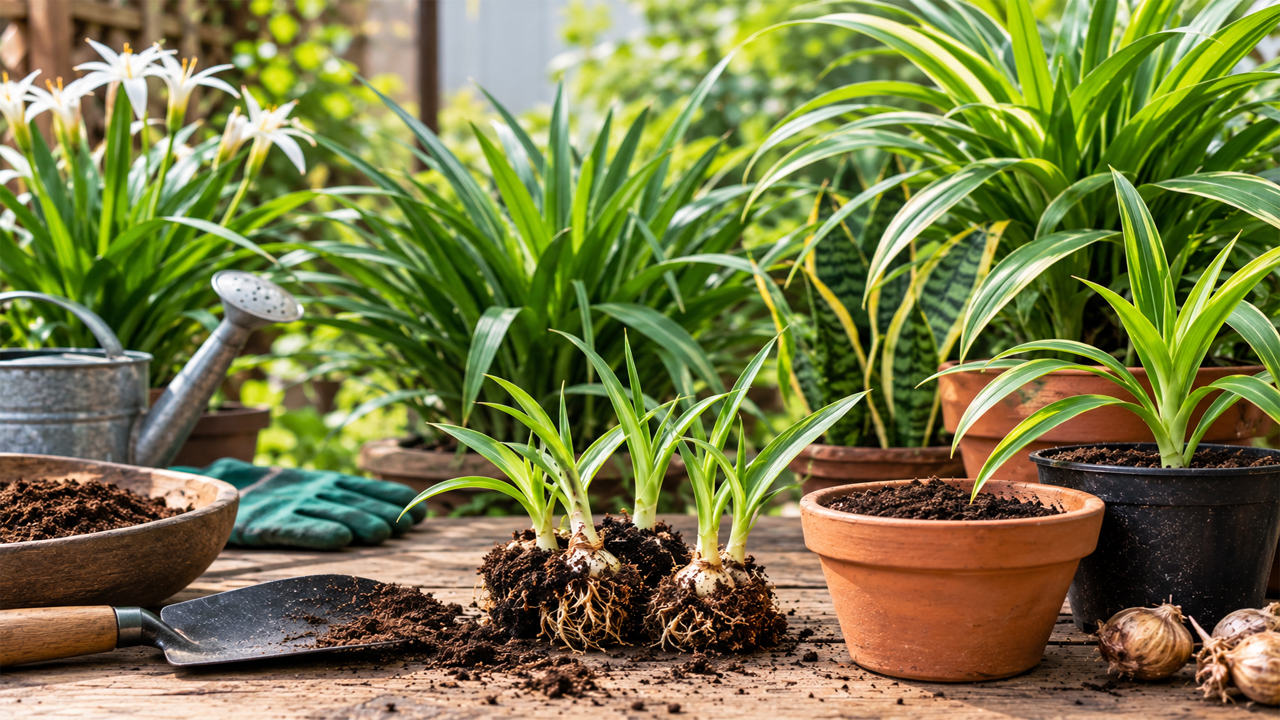
Monocotyledon plants, commonly known as monocots, are an important group of flowering plants found in gardens, landscapes, farms, and homes around the world. These plants are recognized by their seeds, which contain a single cotyledon, or seed leaf. Many familiar plants, including grasses, lilies, orchids, palms, bananas, rice, wheat, and corn, belong to this group. Their variety of shapes, sizes, and growing requirements makes them suitable for different gardening purposes.
Growing monocotyledon plants successfully requires an understanding of their basic needs, including sunlight, soil, water, nutrients, and suitable growing conditions. While some monocots thrive in warm, humid environments, others grow well in dry gardens or cooler climates. With the right planting methods and consistent care, gardeners can encourage healthy roots, strong leaves, and reliable growth throughout the growing season.
Understanding the Characteristics of Monocotyledon Plants
Monocotyledon plants have several distinctive characteristics that help identify them. One of the most noticeable features is their long, narrow leaves, which commonly display parallel veins running from the base to the tip. Their root systems usually consist of numerous thin roots that develop from the base of the stem rather than one dominant primary root.
Many monocots also have flower parts arranged in multiples of three, although their appearance varies considerably between species. Some grow from bulbs, rhizomes, or corms, while others develop directly from seeds. These differences influence how each plant should be planted and maintained.
Understanding these characteristics helps gardeners choose suitable varieties and provide the correct growing environment. For example, ornamental grasses can create attractive borders, lilies can add seasonal color, and palms can provide a tropical appearance. Choosing plants according to local climate, available space, and intended use is an effective starting point.
Choosing the Right Location for Planting
Selecting the right location is essential for healthy plant development. Most outdoor monocotyledon plants grow best when their sunlight requirements are met. Ornamental grasses, corn, and many flowering varieties prefer several hours of direct sunlight each day, while certain orchids and tropical foliage plants perform better in filtered light or partial shade.
Before planting, observe the area throughout the day to understand how much sunlight it receives. Consider drainage, wind exposure, surrounding vegetation, and the amount of space available for mature growth. Tall grasses and palms may require more room than small indoor plants or compact flowering varieties.
For container gardening, choose a position that provides suitable light without exposing sensitive plants to excessive heat. Indoor monocots should generally be placed near a bright window when appropriate for their species. Avoid positioning delicate foliage directly against hot glass or in areas where cold drafts can damage leaves.
Preparing the Soil for Healthy Growth
Healthy soil provides the foundation for strong roots and steady plant development. Most garden-grown monocots benefit from soil that contains organic matter, retains sufficient moisture, and allows excess water to drain away. However, the ideal soil texture varies between species, so it is important to understand the requirements of the selected plant.
For outdoor planting, loosen the soil and remove weeds, stones, and debris. Incorporating well-decomposed compost can improve soil structure and provide a gradual supply of nutrients. Heavy clay soil may require improved drainage, while very sandy soil can benefit from additional organic matter to help retain moisture.
Container-grown plants need a suitable potting mixture rather than dense garden soil. A quality potting medium should support root growth while allowing air and water to move through it. Always select containers with drainage holes to reduce the risk of waterlogged roots. Orchids and certain other specialized monocots may require a particular growing medium suited to their roots.
How to Plant Monocotyledon Plants Correctly
The planting method depends on whether the plant is grown from seed, a bulb, a corm, a rhizome, or an established nursery plant. Begin by checking the recommended planting depth and spacing for the chosen variety. Planting too deeply or crowding neighboring plants can slow growth and increase the risk of disease.
When sowing seeds, prepare a fine, moist growing medium and follow the recommended depth for that species. Keep the medium evenly moist during germination without allowing it to become saturated. Once seedlings develop healthy roots and leaves, provide the light and space needed for continued growth.
For bulbs and corms, identify the correct planting orientation whenever possible and cover them with the appropriate depth of soil. When transplanting established plants, handle the roots gently and position the plant at approximately the same depth at which it previously grew. Firm the soil lightly around the roots, water thoroughly, and protect the plant from unnecessary disturbance while it establishes.
Watering Monocotyledon Plants Properly
Watering is one of the most important parts of monocot plant care. The correct frequency depends on the plant species, weather, soil type, container size, and stage of growth. Young plants generally need consistent moisture while establishing roots, whereas mature plants may tolerate short periods of drier conditions depending on their natural habitat.
Check the soil before watering rather than following a rigid schedule. If the upper layer feels dry and the plant requires additional moisture, water deeply enough to reach the root zone. Allow excess water to drain freely from containers and avoid leaving pots standing in water for extended periods.
Overwatering can deprive roots of oxygen and encourage root rot, while insufficient water may cause wilting, dry leaf tips, or slowed growth. During hot weather, outdoor containers may dry more quickly and require more frequent attention. Adjust watering according to changing conditions and the specific needs of each plant.
Providing Sunlight and Suitable Temperature
Light and temperature strongly influence the growth of monocotyledon plants. Sun-loving varieties generally develop better foliage and flowering when they receive sufficient light, while shade-tolerant species may suffer leaf damage when exposed to intense afternoon sun. Matching the plant to its environment is often more effective than trying to change unsuitable conditions later.
Warm-season monocots, including many tropical plants, typically grow actively in warm conditions. Some ornamental species and flowering bulbs, however, require cooler periods or seasonal changes to grow and flower properly. Check the temperature range recommended for the variety before planting outdoors.
In regions with intense summer heat, partial afternoon shade and appropriate watering can help protect sensitive plants. In cooler weather, move frost-sensitive container plants indoors or provide suitable protection. Avoid sudden changes in temperature and light whenever possible, particularly after moving plants from indoor conditions to an outdoor garden.
Fertilizing for Strong Roots and Healthy Leaves
Monocotyledon plants need essential nutrients to support root development, foliage production, and flowering. Nitrogen supports leafy growth, phosphorus contributes to root development, and potassium helps regulate important plant processes. A balanced fertilizer may be suitable for many garden plants, but specialized varieties can have different nutritional requirements.
Begin with healthy soil enriched with mature compost when appropriate. During active growth, apply a suitable fertilizer according to the product instructions and the plant’s needs. Avoid applying excessive fertilizer, as too many nutrients can damage roots, cause leaf-tip browning, or encourage excessive foliage at the expense of flowers.
Plants growing in containers may require more regular feeding because nutrients can gradually wash out during watering. However, fertilizer needs often decrease during periods of slow growth. Observing the plant’s condition and adjusting feeding accordingly helps maintain balanced, sustainable growth.
Preventing Pests and Common Plant Problems
Although many monocotyledon plants are relatively easy to grow, they can still experience pest infestations and diseases. Aphids, spider mites, scale insects, and mealybugs may affect certain varieties, while excessive moisture can encourage fungal problems and root rot.
Inspect leaves, stems, and growing points regularly for discoloration, sticky residue, unusual spots, or visible insects. Remove dead or damaged plant material and maintain adequate spacing to encourage airflow. Clean gardening tools when moving between plants, particularly when disease is suspected.
If pests appear, identify the problem before choosing a treatment. A gentle stream of water or removal of heavily infested leaves may help with minor infestations. When a suitable plant treatment is necessary, follow its label instructions carefully. Good drainage, appropriate watering, and suitable growing conditions remain important ways to prevent many common problems.
Maintaining and Propagating Monocotyledon Plants
Regular maintenance helps monocots remain attractive and productive. Remove dead leaves and spent flowers when appropriate, control weeds around outdoor plants, and check containers for crowded roots. Some varieties benefit from dividing established clumps, while others can be propagated through bulbs, rhizomes, offsets, or seeds.
Division is particularly useful for certain ornamental grasses and clump-forming plants. Carefully lift the established plant, separate healthy sections with sufficient roots, and replant them in suitable soil. Water the new divisions and protect them from excessive stress while they establish.
Not every monocot should be propagated in the same way. Some bulbs multiply naturally, while orchids and other specialized plants may require more particular methods. Choose a propagation technique appropriate to the species and season for the best results.
Conclusion
Growing monocotyledon plants successfully begins with selecting suitable varieties and understanding their individual requirements. Proper planting, well-drained soil, balanced watering, adequate sunlight, and careful feeding all contribute to healthy development. Regular inspection and simple maintenance can also reduce common problems and help plants remain vigorous.
Whether you are growing ornamental grasses, flowering bulbs, tropical foliage plants, or useful crops, a consistent care routine makes gardening more manageable. By adapting your approach to the needs of each variety, you can develop a healthy garden filled with attractive foliage, beautiful flowers, and thriving plants throughout the growing season.
