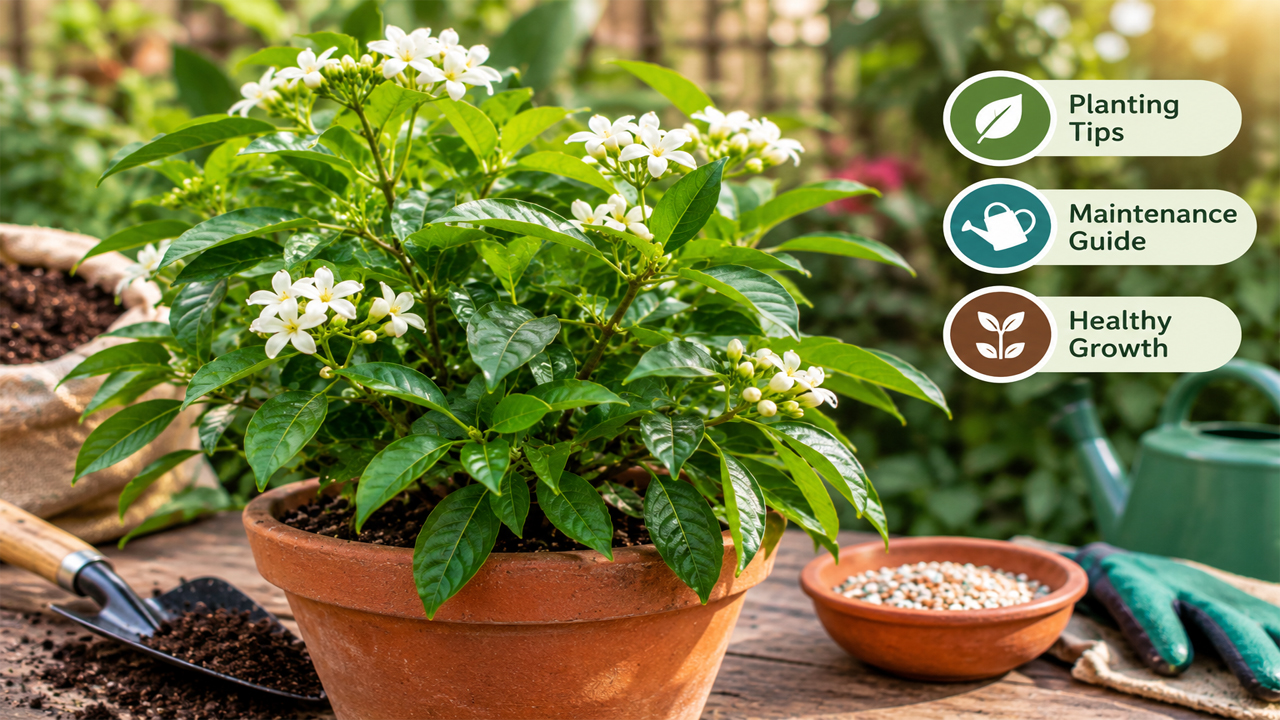
Aphloiaceae is a small plant family best known for its representative species, Aphloia theiformis, an evergreen shrub or small tree native to Madagascar, the Mascarene Islands, and parts of East Africa. It is valued for its attractive green foliage, adaptability to suitable tropical and subtropical environments, and potential use in ornamental landscapes. Growing this plant successfully requires an understanding of its natural habitat, soil preferences, moisture requirements, and long-term maintenance needs. With the right conditions, Aphloia can develop into a healthy, attractive plant that adds natural beauty to gardens and outdoor spaces.
Choosing the Right Location for Planting
Selecting a suitable planting location is one of the most important steps in establishing a healthy Aphloia plant. In its natural environment, Aphloia grows in warm regions where conditions can range from humid forests to open, well-drained landscapes. A garden location with bright light and some protection from harsh environmental conditions can support steady growth. Young plants generally benefit from partial shade, especially in areas where afternoon sunlight is intense. Established plants may tolerate more direct sunlight when moisture levels are adequate. Avoid exposed locations where strong winds, extreme temperatures, or prolonged dryness could damage the foliage and slow development.
Preparing the Soil for Healthy Root Development
Healthy roots provide the foundation for strong growth, so soil preparation should receive careful attention before planting. Aphloia generally benefits from fertile, well-drained soil that retains some moisture without becoming waterlogged. A mixture of loamy soil and mature organic compost can improve soil structure, encourage beneficial microbial activity, and support the gradual release of nutrients. If the ground is heavy clay, incorporating suitable organic matter and improving drainage can help prevent excess water from accumulating around the roots. Sandy soil may require additional compost to improve moisture retention. Before planting, loosen the soil around the planting area so that young roots can spread easily into the surrounding ground.
Planting Aphloia Correctly
Planting at the appropriate depth helps a young Aphloia establish itself without unnecessary stress. Dig a hole approximately twice as wide as the root ball, but keep its depth close to the height of the root ball. Carefully remove the plant from its container, avoiding unnecessary disturbance to the roots. Position it upright and ensure that the upper surface of the root ball remains level with the surrounding soil. Refill the hole with the prepared soil, gently firm the surface, and water thoroughly to settle the soil around the roots. Leave sufficient space between the plant and nearby shrubs, walls, or trees so that its mature size and natural growth habit can be accommodated.
Watering for Consistent and Balanced Growth
Water management is essential during the establishment period. Newly planted Aphloia needs consistent moisture while its roots adjust to the surrounding soil. Water deeply when the upper layer of soil begins to dry, allowing moisture to reach the root zone rather than wetting only the surface. The frequency will depend on temperature, rainfall, soil texture, and the size of the plant. During warm or dry periods, more frequent watering may be necessary, while cooler weather and regular rainfall can reduce the need. Avoid keeping the soil continuously saturated because poor drainage can deprive roots of oxygen and encourage root problems. Once established, adjust watering according to actual soil moisture instead of following a rigid schedule.
Providing Suitable Light and Temperature
Light and temperature influence foliage quality, new growth, and the plant’s overall condition. Aphloia generally performs best in warm conditions that resemble its native tropical and subtropical habitats. Bright filtered light or partial shade is a practical starting point for young plants, although established specimens may adapt to sunnier locations when they receive sufficient water. Sudden exposure to intense sunlight can scorch leaves, particularly when a plant has previously grown in shade. Gradually acclimatize container-grown plants before moving them into a brighter outdoor position. Protect young specimens from cold snaps and frost, as their tolerance depends on local conditions and the plant’s stage of development. In cooler climates, growing Aphloia in a container can make seasonal protection easier.
Feeding the Plant Without Overfertilizing
Aphloia benefits from suitable soil fertility, but excessive fertilizer is rarely a substitute for good growing conditions. Begin by improving the soil with mature compost before planting. Once the plant is established, a light application of balanced, slow-release fertilizer during the active growing season may help support healthy foliage and new shoots when soil nutrients are limited. Follow the product label and avoid applying fertilizer to dry or stressed roots. Too much fertilizer can encourage weak growth, damage roots, or cause unwanted nutrient accumulation. Plants growing in fertile garden soil may need little additional feeding. Observing leaf colour, shoot development, and overall vigour can help determine whether extra nutrients are necessary.
Pruning and Routine Maintenance
Regular maintenance keeps Aphloia healthy while preserving its natural shape. Remove dead, damaged, diseased, or crossing branches with clean, sharp pruning tools. Light pruning can be used to improve the plant’s structure and remove untidy growth, but heavy cutting should be avoided unless there is a clear reason for it. The best timing depends on local growing conditions and the plant’s growth cycle. Keep the surrounding area reasonably free of weeds so that young plants do not compete unnecessarily for water and nutrients. A layer of organic mulch can help moderate soil temperature and conserve moisture. Keep the mulch a short distance away from the main stem to reduce persistent dampness around the base.
Managing Pests and Plant Health Problems
Aphloia may experience problems associated with unsuitable growing conditions, as well as occasional insect damage. Regularly inspect the leaves, stems, and growing tips for unusual spots, yellowing, distorted growth, or visible insects. Aphids, scale insects, and other common garden pests may affect plants in some locations, although the actual risks vary with the local environment. Start with practical measures such as removing badly affected leaves, improving airflow, and correcting watering or drainage problems. If an infestation persists, identify the pest before choosing an appropriate treatment. Use any garden pesticide strictly according to its label. Yellow leaves do not automatically indicate a nutrient deficiency; overwatering, poor drainage, insufficient light, and environmental stress can produce similar symptoms.
Growing Aphloia in Containers
Container growing can be a useful option where garden space is limited or outdoor temperatures are unsuitable throughout the year. Choose a sturdy pot with adequate drainage holes and enough room for gradual root development. Use a well-draining potting medium that holds some moisture without remaining saturated. Place the container where the plant receives suitable light and protection from extreme conditions. Container-grown plants generally dry out faster than plants in the ground, so check the soil regularly, particularly during hot weather. Repot when roots become crowded or water begins moving through the container unusually quickly. Increase the pot size gradually rather than moving a young plant directly into an excessively large container.
Encouraging Long-Term Growth and Establishment
Healthy long-term growth depends on patience, observation, and consistent care rather than frequent intervention. During the first growing season, concentrate on establishing strong roots, maintaining suitable moisture, and preventing avoidable stress. As the plant matures, adjust watering, pruning, and feeding to its actual needs. Keep brief notes about seasonal growth, leaf condition, rainfall, and any maintenance carried out. These observations can help identify patterns and improve future care. If propagation is desired, investigate suitable seed or cutting methods for Aphloia theiformis, as germination and rooting success can depend on seed freshness, treatment, and environmental conditions. Choose healthy plant material and provide stable warmth and moisture without waterlogging.
Creating the Right Conditions for a Healthy Aphloia Plant
Growing Aphloia successfully begins with selecting an appropriate location, preparing well-drained soil, and planting at the correct depth. Consistent watering, suitable light, moderate feeding, and thoughtful pruning help the plant establish and maintain healthy growth. Regular inspections also make it easier to recognize early signs of stress and address problems before they become severe. Because local climate and soil conditions can vary considerably, care should be adapted to the plant’s response rather than based on a fixed routine. With careful preparation and steady maintenance, Aphloia can become a valuable addition to a suitable garden, offering attractive evergreen foliage and a natural appearance for years to come.
