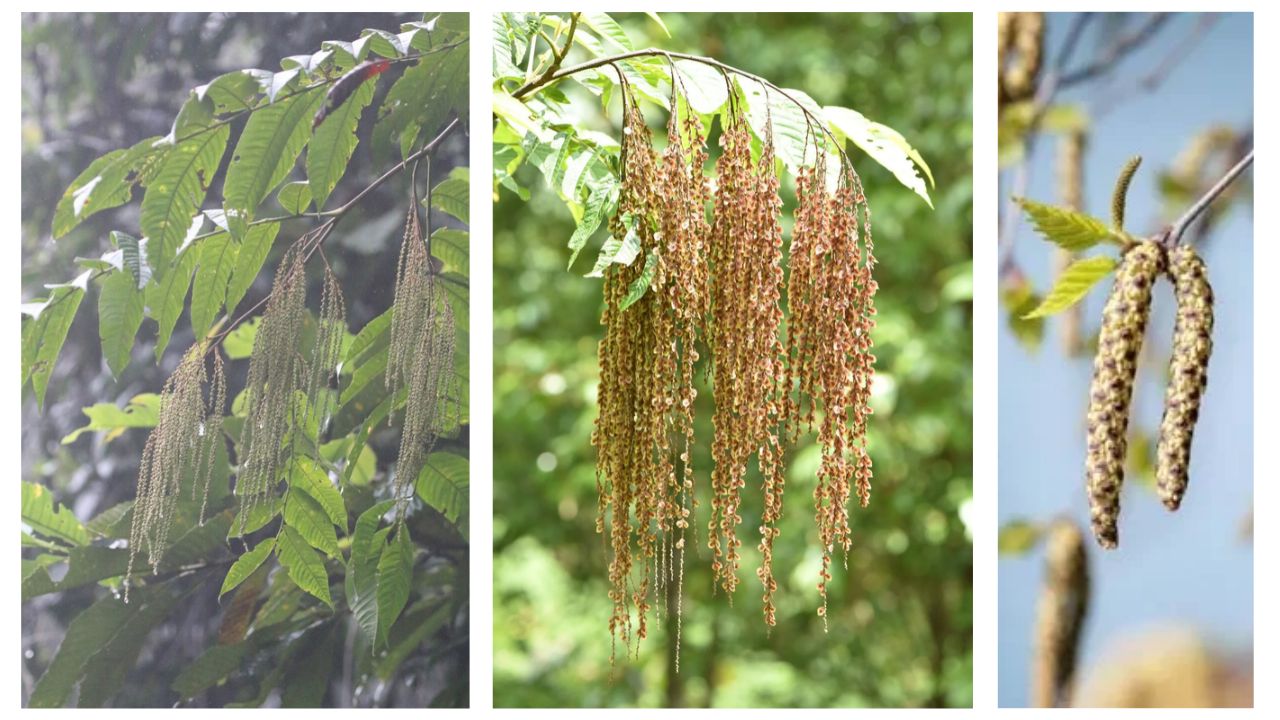
Rhoipteleaceae is a rare plant family known for its distinctive flowering tree, Rhoiptelea chiliantha. Native to parts of southwestern China and northern Vietnam, this unusual tree is of particular interest to botanists, plant collectors, and gardeners who appreciate uncommon woody plants. Its limited natural distribution and specialized growing requirements make it less familiar than many ornamental trees found in home gardens.
Growing a Rhoipteleaceae plant requires an understanding of its natural environment, soil preferences, moisture needs, and seasonal growth patterns. Because this is a rare botanical group, reliable cultivation information can be limited, and successful gardening depends on observing the plant carefully rather than following a rigid routine. With suitable conditions and patient care, enthusiasts may be able to cultivate this distinctive tree in an appropriate garden or protected growing environment.
Understanding the Natural Growing Environment
Rhoiptelea chiliantha grows naturally in mountainous and subtropical environments, where local conditions influence temperature, rainfall, soil drainage, and seasonal development. Understanding these conditions is an important first step toward growing the tree successfully. Its natural habitat provides useful clues about the balance of moisture, light, and protection it may require in cultivation.
Rather than exposing a young plant to intense sunlight, extreme temperatures, or prolonged drought, gardeners should aim to provide a stable environment that supports gradual establishment. A sheltered location with good air circulation and suitable soil is generally a sensible starting point.
The exact requirements can vary depending on the plant’s age, provenance, and local climate. Since Rhoiptelea chiliantha is uncommon in cultivation, gardeners should avoid assuming that every specimen will respond identically to standard ornamental tree care.
Choosing the Right Location for Planting
Selecting a suitable planting location can significantly influence the health and long-term development of a rare tree. Choose a site that offers adequate space for the mature plant, good drainage, and protection from harsh environmental conditions. Avoid areas where water collects after rainfall or where strong winds may damage young branches.
A location receiving bright, filtered light or gentle morning sunlight may be a reasonable starting point for a young specimen, particularly in a warm climate. In cooler environments, a more open position may be appropriate if the plant tolerates the available sunlight. Observe how the tree responds before making major changes to its exposure.
Gardeners in regions with hot summers should pay particular attention to afternoon heat and drying winds. Temporary shade during extreme heat can help protect a newly established plant, although the long-term light requirements should be assessed according to the specimen’s response and reliable horticultural guidance.
Preparing the Soil for Healthy Growth
Healthy soil provides the foundation for root development, nutrient uptake, and stable growth. For a Rhoipteleaceae tree, begin with soil that retains enough moisture to prevent excessive drying while allowing surplus water to drain freely. Heavy, compacted soil that remains saturated for extended periods can create unfavorable conditions around the roots.
Before planting, loosen the soil across the planting area and remove weeds, stones, and debris that could interfere with establishment. If the soil is dense clay, improving the planting area’s structure and drainage may be necessary. Organic matter, such as mature compost or well-decomposed leaf material, can improve soil structure when incorporated appropriately.
Avoid placing large quantities of fresh manure or concentrated fertilizer directly around the roots. These materials may damage sensitive young roots or create an unsuitable growing environment. A balanced soil structure, moderate fertility, and consistent moisture are more useful than excessive feeding.
How to Plant Rhoipteleaceae Trees
Planting is best undertaken when local temperatures are moderate and the soil is workable. In suitable climates, this may be during a mild period when the tree can establish roots without facing extreme heat, severe cold, or prolonged dryness. The ideal season will depend on the plant’s growing stage and local weather conditions.
Dig a planting hole that is wider than the root ball but no deeper than necessary. Carefully remove the plant from its container, keeping the root system intact. Position it so that the upper surface of the root ball sits level with the surrounding soil. Planting too deeply can interfere with root health and moisture management.
Backfill the hole with the prepared soil, gently firming it to remove large air pockets without compacting it excessively. Water thoroughly to settle the soil around the roots. Apply a light layer of organic mulch over the surrounding ground, keeping the material away from the trunk itself.
If the plant is young or newly transplanted, protect it from strong winds and sudden environmental changes while it becomes established. Avoid unnecessary root disturbance during this sensitive period.
Watering and Moisture Management
Watering should support steady root development without leaving the soil continuously saturated. Young trees generally require closer monitoring than established specimens because their root systems occupy a smaller volume of soil and may dry out more quickly.
Check the soil before watering rather than following a fixed daily schedule. If the upper soil begins to dry while the deeper root zone remains appropriately moist, additional water may not be necessary. When the root area is becoming dry, water slowly and thoroughly so that moisture reaches the developing roots.
During hot or windy weather, the plant may require more frequent attention. In cooler or rainy conditions, watering should be reduced to account for naturally available moisture. Container-grown specimens usually dry out faster than trees planted in the ground, so they require particularly careful monitoring.
Yellowing leaves, persistently wet soil, and declining growth may indicate excessive moisture or drainage problems. Wilting and dry leaf edges can result from insufficient water, heat stress, root damage, or other factors. Examine the soil and overall growing conditions before deciding how to correct the problem.
Light, Temperature, and Climate Requirements
Light and temperature influence photosynthesis, leaf development, and the tree’s overall growth rate. Because Rhoiptelea chiliantha is associated with subtropical mountainous environments, gardeners should consider both summer heat and winter conditions when choosing a growing site.
Bright conditions are important for healthy growth, but sudden exposure to intense direct sunlight can stress a plant that has been raised under shade. If moving a specimen into brighter conditions, increase its exposure gradually and watch for leaf scorching or signs of dehydration.
Temperature tolerance should not be assumed without reliable information about the particular specimen. Protect young plants from unexpected frost, extreme heat, and abrupt temperature fluctuations. In climates with conditions substantially different from the tree’s natural habitat, growing it in a protected nursery or suitable greenhouse may offer greater control.
Good air circulation is also important. Avoid overcrowding the tree among dense vegetation, as restricted airflow and persistently damp foliage can encourage certain plant diseases.
Fertilizing for Strong and Balanced Growth
Rhoipteleaceae trees should not be overfertilized, especially during early establishment. Excess nutrients can encourage weak growth, disturb the balance of the soil, and potentially damage sensitive roots. A healthy planting area with suitable organic matter may provide enough nutrients for initial development.
If the tree shows consistently weak growth despite appropriate watering, light, and drainage, consider whether the soil lacks essential nutrients. A soil test can help identify deficiencies and prevent unnecessary fertilizer applications.
When feeding is justified, use a mild, balanced fertilizer according to its label and apply it during active growth when conditions are favorable. Avoid fertilizing drought-stressed plants or applying concentrated products near the trunk. Reduce feeding as growth slows during cooler seasons.
Remember that slow growth is not necessarily a sign of poor health. Rare trees may establish gradually, and their development should be evaluated over time rather than judged by rapid increases in height.
Pruning and General Maintenance
Pruning should focus on maintaining healthy structure rather than forcing rapid growth or a particular ornamental shape. Remove dead, broken, or diseased branches using clean, sharp pruning tools. Make careful cuts without damaging the trunk or unnecessarily removing healthy foliage.
Young trees often benefit more from undisturbed growth than from extensive pruning. Allow the natural branching pattern to develop unless a specific structural problem requires attention. Avoid heavy pruning during periods of environmental stress, extreme temperatures, or poor growth.
Keep weeds and competing vegetation under control around the base of the tree. Maintain a suitable mulch layer to moderate soil temperature and conserve moisture, but do not pile mulch against the trunk. Inspect the tree regularly for damaged leaves, unusual discoloration, pests, and changes in growth.
Cleaning tools between plants can help reduce the risk of spreading plant diseases, particularly when removing affected branches.
Propagation and Growing New Plants
Propagating Rhoipteleaceae plants can be challenging because the family is rare and detailed, widely tested cultivation methods are not readily available. Seed propagation may be possible when viable, properly identified seed is available, but germination can depend on seed maturity, storage conditions, dormancy, and the environmental conditions provided.
Fresh seed should be handled carefully, and gardeners should obtain species-specific advice about pretreatment and sowing requirements before attempting propagation. Avoid assuming that a standard germination method used for common garden trees will produce the same results.
If seeds are available, use a clean, well-draining propagation medium and maintain appropriate moisture without waterlogging. Provide stable temperatures and suitable light for the expected germination stage. Record sowing dates and environmental conditions so that progress can be monitored.
Vegetative propagation may be possible under specialized conditions, but its success should not be assumed without evidence for the species. Obtain propagation material from reputable botanical nurseries or legitimate plant collections, and follow applicable conservation and plant-trade regulations.
Common Growing Problems and Their Solutions
Poor growth is one of the most common concerns when cultivating a rare tree. Before applying fertilizer or making substantial changes, review the growing environment. Insufficient light, unsuitable temperatures, compacted soil, excessive watering, and root disturbance can all affect development.
Leaf yellowing may indicate waterlogged roots, nutrient deficiencies, or environmental stress. Brown leaf margins may be associated with dry soil, strong winds, excessive heat, or salt accumulation. Since these symptoms can have several causes, examine the plant and its surroundings before choosing a treatment.
Pest problems should be addressed through careful identification rather than automatic pesticide use. Remove small numbers of visible pests when practical, improve growing conditions, and seek specialist advice if the tree develops persistent symptoms. Avoid using chemical treatments without confirming that they are appropriate for the plant and the identified problem.
Conclusion
Growing and caring for Rhoipteleaceae plants requires patience, careful observation, and an appreciation of their botanical rarity. By providing well-drained soil, appropriate light, balanced moisture, protection from environmental extremes, and gentle maintenance, gardeners can create conditions that support the establishment of Rhoiptelea chiliantha.
Because species-specific cultivation information remains limited, successful care depends on adapting general tree-growing principles to the individual plant. Monitor its response to seasonal changes, avoid excessive watering and fertilization, and seek specialist guidance when necessary. With a thoughtful approach and suitable growing conditions, cultivating this unusual tree can become a rewarding experience for gardeners interested in rare plants and botanical diversity.
