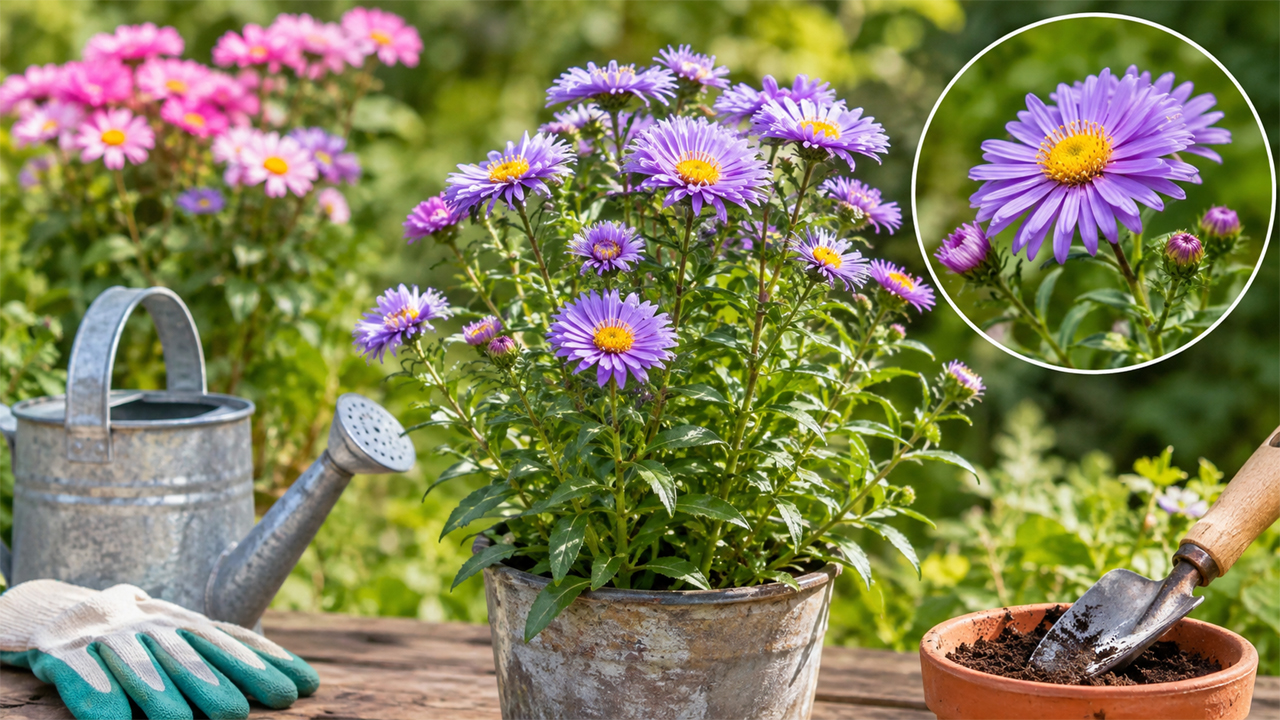
A beautiful garden is often defined by its variety of colors, textures, and flowering plants. Among the many flowering groups that bring natural beauty to outdoor spaces, asterids are particularly interesting because of their diversity, attractive blooms, and adaptability. From familiar garden flowers to flowering shrubs and ornamental plants, asterids include a wide range of species that can enhance gardens, landscapes, and containers.
Growing asterids successfully requires understanding their growing conditions, soil preferences, watering needs, and seasonal care requirements. Whether you are an experienced gardener or just beginning your gardening journey, choosing suitable varieties and providing consistent care can help you enjoy healthy plants and beautiful flowers throughout the growing season.
Understanding Asterid Flowering Plants
Asterids are a major group of flowering plants within the botanical classification known as the eudicots. This group includes several familiar plant families, such as Asteraceae, Solanaceae, and Lamiaceae. Many popular ornamental flowers belong to this broad botanical group, including asters, daisies, sunflowers, petunias, and certain flowering herbs.
One of the most recognizable characteristics of asterid plants is their variety of flower shapes, sizes, and colors. Depending on the species, blooms may appear as delicate clusters, daisy-like flowers, or attractive trumpet-shaped blossoms. Some varieties are compact and suitable for containers, while others grow into impressive garden displays.
Asterids also provide ecological benefits. Many flowering varieties attract bees, butterflies, and other pollinators, making them valuable additions to wildlife-friendly gardens.
Choosing the Right Asterid Varieties
Selecting the right plants is an important first step toward creating a successful garden. Asterids include annuals, perennials, shrubs, and herbaceous plants, so gardeners can find suitable varieties for different climates and garden designs.
Asters are popular for their colorful late-season flowers, while daisies offer a classic appearance that works well in flower beds and borders. Sunflowers bring height and visual interest to larger gardens, whereas petunias are excellent choices for hanging baskets, containers, and decorative garden arrangements.
Consider your local climate, available growing space, and the amount of sunlight your garden receives before selecting varieties. Native and climate-adapted plants are often easier to maintain because they are naturally suited to local environmental conditions.
Selecting the Ideal Planting Location
Most flowering asterid varieties perform best in locations with sufficient sunlight. Many popular garden types require approximately six hours of direct sunlight daily to produce strong growth and abundant flowers. However, sunlight requirements differ between species, so check the needs of your chosen plants.
Choose an area with good air circulation and enough room for plants to reach their mature size. Overcrowding can restrict airflow, increase humidity around leaves, and create conditions that encourage fungal diseases.
For container gardening, select a location where plants receive appropriate sunlight while remaining protected from excessive heat or strong winds. Balancing sunlight, airflow, and available space helps establish healthy plants.
Preparing the Soil for Healthy Growth
Healthy soil provides the foundation for successful asterid cultivation. Most garden varieties prefer fertile, well-draining soil that retains enough moisture without becoming waterlogged.
Before planting, loosen the soil to improve aeration and root development. Remove weeds, stones, and unwanted plant material that could interfere with growth. Adding mature compost or well-decomposed organic matter can improve soil structure while providing essential nutrients.
Heavy clay soil may benefit from organic amendments that improve drainage and reduce compaction. Sandy soil, which drains quickly, can be improved by incorporating compost to increase its moisture-retaining capacity.
If you are planting asterids in containers, use a quality potting mix rather than ordinary garden soil. Make sure the containers have drainage holes to prevent excess water from accumulating around the roots.
Planting Asterids Successfully
Asterids can be established through seeds, seedlings, or young nursery plants, depending on the variety. Growing from seeds is an affordable option and allows gardeners to explore different colors and plant types.
Follow the seed packet instructions for planting depth and spacing because germination requirements vary. Some seeds need light to germinate and should remain close to the soil surface, while others require light covering.
When transplanting seedlings, choose a mild day or work during the cooler morning or evening hours. Carefully remove each seedling from its container, avoiding unnecessary disturbance to the roots. Place it in a prepared planting hole at approximately the same depth at which it was previously growing.
Fill the surrounding space with soil, gently firm it, and water thoroughly. Allow sufficient spacing between plants to support healthy development and prevent overcrowding.
Watering Requirements and Moisture Management
Proper watering is essential for maintaining healthy asterid plants. Newly planted flowers generally require consistent moisture while their roots become established. Once established, watering frequency depends on the species, soil type, weather, and growing conditions.
Water deeply around the base of the plant rather than repeatedly sprinkling the leaves. This encourages deeper root development and helps reduce unnecessary moisture on foliage.
Check the soil before watering. If the upper layer feels dry, it may be time to provide additional moisture. Avoid keeping the soil constantly saturated because excessive watering can cause root damage and fungal problems.
During hot weather, container-grown plants may require more frequent watering because their soil dries faster than garden beds. Adjust your watering routine according to seasonal conditions rather than following a rigid schedule.
Fertilizing for Strong Growth and Abundant Flowers
Asterid plants benefit from balanced nutrition, particularly when grown in containers or nutrient-poor soil. Compost and other suitable organic materials can help maintain soil fertility over time.
A balanced, slow-release fertilizer may be applied during the active growing season according to the product instructions and the needs of the plant variety. Avoid excessive nitrogen because it can encourage leafy growth at the expense of flower production.
Some flowering plants benefit from fertilizers formulated for blooming varieties. However, feeding requirements differ between species, so selecting an appropriate fertilizer is more important than applying large quantities.
Healthy soil and moderate fertilization generally produce stronger plants with better flowering performance.
Pruning, Deadheading, and General Maintenance
Regular maintenance keeps asterid plants attractive and encourages healthy development. Removing dead, damaged, or diseased leaves improves the appearance of plants and reduces potential sources of infection.
Deadheading involves removing faded flowers before they develop seeds. For many flowering varieties, this practice encourages additional blooms and extends the flowering period. However, leave seed heads on selected plants if you want to collect seeds or provide food for birds.
Some taller varieties may require staking to prevent stems from bending or breaking, especially during windy weather or heavy rainfall. Light pruning can also help maintain a balanced shape and encourage bushier growth in suitable species.
Always use clean, sharp gardening tools to make neat cuts and reduce the risk of spreading plant diseases.
Protecting Asterids from Pests and Diseases
Like other garden plants, asterids can occasionally experience pest and disease problems. Common pests include aphids, spider mites, whiteflies, and caterpillars. These insects may damage leaves, stems, and developing flowers.
Inspect plants regularly, paying particular attention to the undersides of leaves and young shoots. Small pest populations can often be managed by removing affected parts or washing insects away with a gentle stream of water.
Good gardening practices are equally important for disease prevention. Avoid overhead watering when possible, maintain appropriate plant spacing, and remove fallen leaves from around the base of plants.
Powdery mildew, leaf spots, and root rot can develop under unfavorable growing conditions. If problems appear, identify the cause before choosing a treatment. Use suitable gardening products only when necessary and follow their instructions carefully.
Seasonal Care and Winter Preparation
Seasonal care helps asterid plants remain healthy throughout changing weather conditions. During spring, prepare planting beds, remove damaged growth, and establish new seedlings when temperatures are suitable.
Summer care generally focuses on consistent watering, occasional feeding, pest monitoring, and removing faded flowers. During extreme heat, provide temporary protection to varieties that are sensitive to intense afternoon sunlight.
In autumn, many asterid varieties produce attractive flowers and continue supporting pollinators. Remove diseased foliage and collect seeds from suitable plants. Perennial varieties may benefit from a protective layer of mulch around their roots before winter.
Winter requirements depend on the species and local climate. Some hardy perennials survive cold conditions outdoors, while tender varieties may need protection or indoor cultivation.
Growing Asterids in Containers and Small Gardens
Asterids are excellent choices for gardeners with limited outdoor space. Compact varieties can thrive in pots, window boxes, balconies, and patio containers when provided with appropriate growing conditions.
Choose containers that accommodate the mature root system and provide effective drainage. Use a suitable potting mix and position the containers according to each plant’s sunlight requirements.
Combining different flowering varieties can create attractive displays with contrasting colors and heights. However, group plants with similar watering and sunlight needs to simplify maintenance.
Regularly inspect container-grown plants because their limited soil volume makes them more sensitive to changes in moisture and nutrient availability.
Conclusion
Growing asterids can be a rewarding way to introduce color, diversity, and natural beauty into your garden. With the right plant selection, suitable soil preparation, proper watering, and regular maintenance, these flowering plants can flourish in garden beds, containers, and landscaped spaces.
The key to successful cultivation is understanding that different asterid species have different growing requirements. Providing appropriate sunlight, balanced nutrition, sufficient drainage, and timely protection from pests and diseases will help maintain healthy growth.
Whether you prefer delicate asters, cheerful daisies, vibrant petunias, or impressive sunflowers, a thoughtfully planned garden can showcase the beauty and diversity of asterid flowering plants while creating a welcoming environment for pollinators and other beneficial wildlife.
