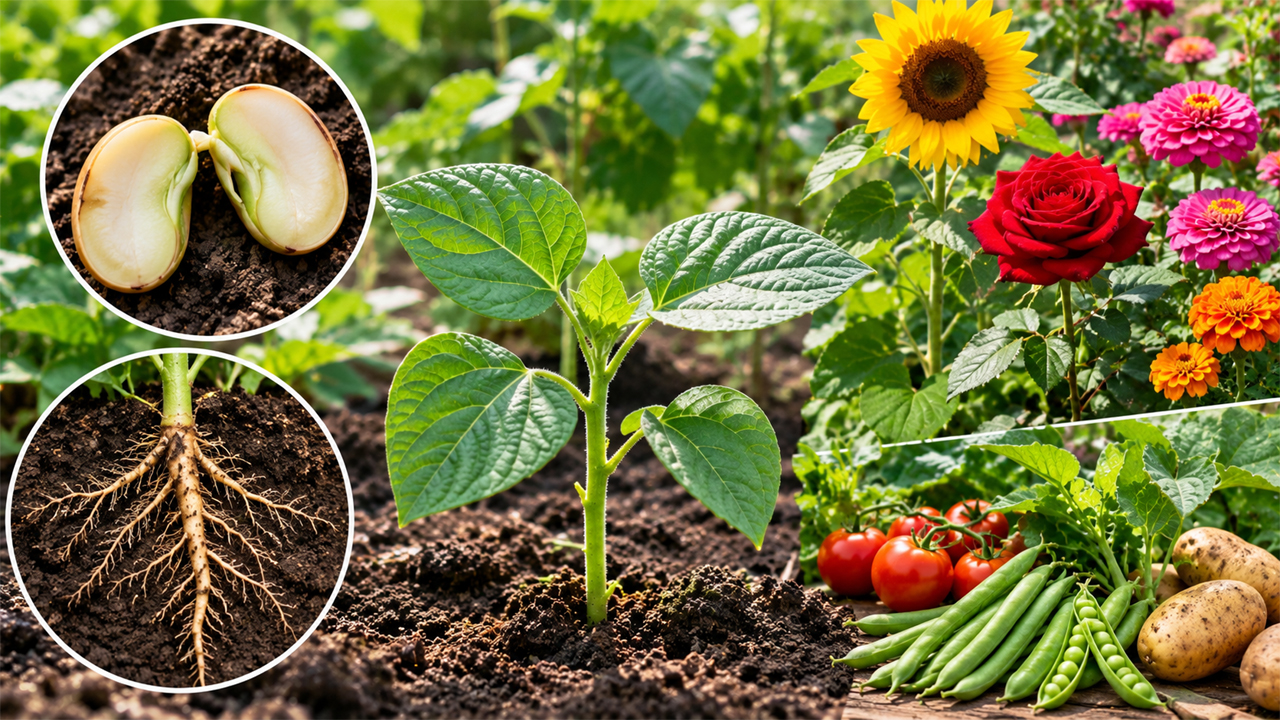
Dicotyledon plants, commonly known as dicots, are a diverse group of flowering plants characterized by having two cotyledons, or seed leaves, inside their seeds. These seed leaves provide nourishment to the developing seedling during its earliest stages of growth. Dicots include a wide variety of familiar plants, such as roses, sunflowers, beans, tomatoes, peas, and many fruit trees. Their different shapes, sizes, flowers, and growth habits make them valuable additions to home gardens, vegetable patches, landscapes, and indoor plant collections.
One of the most recognizable characteristics of dicotyledon plants is their leaf structure. Many dicots have broad leaves with branching veins, while their stems often develop vascular tissues arranged in a ring. Numerous species also develop a main taproot that grows downward into the soil, although root structures vary considerably. Understanding these basic features helps gardeners recognize dicots and learn how to provide the growing conditions they need.
Growing dicotyledon plants successfully requires attention to sunlight, soil quality, water, nutrients, and regular maintenance. Although individual species have different requirements, many share similar cultivation principles that make them relatively easy to grow in suitable conditions.
Choosing the Right Dicotyledon Plants for Your Garden
Selecting appropriate plants is the first step toward establishing a healthy and productive garden. Dicotyledons include ornamental flowers, vegetables, herbs, shrubs, and trees, so gardeners can choose species according to available space, climate, and personal preferences.
For beginners, beans, peas, radishes, tomatoes, and sunflowers are useful choices because they offer opportunities to observe germination, leaf development, flowering, and seed production. Ornamental options such as roses, marigolds, hibiscus, and zinnias can introduce color and variety to garden beds. Shrubs and fruit trees provide longer-term structure and may offer shade, fragrance, or edible harvests.
Before selecting a species, consider the local climate and growing season. Plants suited to warm temperatures may struggle during prolonged cold weather, while some flowering species require cooler conditions to develop properly. Check the expected mature size, sunlight requirements, and water needs before planting. Choosing varieties adapted to the local environment generally reduces maintenance and improves overall plant health.
Preparing the Soil for Healthy Growth
Healthy soil provides the foundation for strong roots and vigorous foliage. Most garden dicots grow well in soil that drains adequately, contains organic matter, and supplies essential nutrients. Heavy, compacted soil can restrict root development and hold excessive moisture, while very sandy soil may dry out quickly and lose nutrients more easily.
Begin by removing weeds, stones, and unwanted plant debris from the planting area. Loosen the soil to improve aeration and allow roots to spread naturally. Incorporating mature compost can improve soil structure, encourage beneficial microbial activity, and gradually supply nutrients. Avoid adding excessive organic material or fertilizer without considering the plant’s requirements.
Soil pH also influences nutrient availability. Many common garden dicots prefer slightly acidic to neutral soil, although certain species tolerate or require different conditions. A basic soil test can help identify pH imbalances and nutrient deficiencies before planting.
For container gardening, use a suitable potting mix rather than dense garden soil alone. Containers should have drainage holes to prevent water from accumulating around the roots. Select pots large enough to accommodate the expected root system, particularly for plants that develop deep taproots.
Planting Dicotyledon Seeds and Seedlings
Dicotyledon plants can be established from seeds, young seedlings, cuttings, or nursery-grown plants, depending on the species. Growing from seed is particularly rewarding because it allows gardeners to observe the complete development of a plant.
Read the seed packet for information about planting depth, spacing, temperature, and germination time. As a general guideline, many seeds are planted at a depth approximately two to three times their diameter, although small seeds often require surface sowing or only a light covering of soil. Water gently after sowing to moisten the growing medium without washing the seeds away.
Keep the soil consistently moist during germination, but avoid waterlogging. Once seedlings emerge, provide sufficient light to encourage compact stems and healthy leaves. Gradually thin crowded seedlings to the recommended spacing so that each plant has adequate access to light, water, and nutrients.
When transplanting seedlings, handle them carefully and avoid damaging their roots. Plant them at an appropriate depth, firm the surrounding soil gently, and water thoroughly. Transplanting during the cooler part of the day can reduce moisture stress, particularly in warm weather.
Providing the Right Amount of Sunlight
Sunlight supplies the energy plants need for photosynthesis, allowing them to produce sugars that support growth, flowering, and fruit development. However, the amount of light required varies among dicotyledon species.
Many vegetables and flowering annuals perform best with approximately six to eight hours of direct sunlight each day. Tomatoes, sunflowers, and several fruiting plants generally benefit from sunny locations. Other dicots, including certain woodland flowers and foliage plants, prefer partial shade or filtered light, particularly in hot climates.
Observe how sunlight moves across the garden before choosing a planting location. Areas receiving strong afternoon sun may become excessively hot in summer, especially for young seedlings or plants with delicate leaves. Providing temporary shade during extreme heat can help reduce stress.
Indoor dicots should be placed near a bright window or grown under suitable plant lights when natural illumination is insufficient. Weak stems, stretched growth, and pale foliage can indicate inadequate light, although nutrient deficiencies and other problems may produce similar symptoms.
Watering Dicotyledon Plants Correctly
Proper watering is essential for maintaining healthy roots, leaves, and flowers. Both underwatering and overwatering can damage dicotyledon plants, so gardeners should consider soil moisture, weather, plant size, and container conditions instead of following a rigid daily schedule.
Check the soil before watering. For many established garden plants, allowing the upper layer of soil to dry slightly between waterings helps prevent excessive moisture around the roots. Seedlings and shallow-rooted plants may require more frequent watering because their root systems cannot reach deeper reserves.
Water the soil near the base of the plant rather than repeatedly wetting the foliage. Deep watering encourages roots to grow farther into the soil, improving access to moisture during dry periods. Early morning is generally a suitable time because plants can absorb water before daytime heat increases evaporation.
Containers may need more frequent watering than garden beds, especially during hot weather. However, always allow excess water to drain freely. Yellowing leaves, persistently wet soil, and soft or darkened roots may indicate overwatering or root damage.
Fertilizing for Strong Roots and Foliage
Dicotyledon plants require essential nutrients to develop healthy roots, stems, leaves, flowers, and seeds. Nitrogen supports leafy growth, phosphorus contributes to root development and reproductive processes, and potassium helps regulate several important physiological functions. Smaller quantities of other nutrients are also necessary.
Compost and other well-decomposed organic materials can improve soil fertility while supporting its structure. For plants with higher nutrient demands, a balanced fertilizer may be helpful when applied according to the product instructions and the plant’s growth stage.
Avoid applying excessive fertilizer in the hope of producing faster growth. Too much nitrogen can encourage abundant foliage at the expense of flowers or fruit in certain species. Excess fertilizer can also damage roots and contribute to nutrient runoff.
Observe plant growth before making adjustments. Pale leaves, weak stems, or poor flowering may indicate nutritional problems, but they can also result from insufficient light, unsuitable soil moisture, or damaged roots. Identifying the underlying cause is more effective than automatically adding more fertilizer.
Pruning and Routine Plant Maintenance
Regular maintenance helps dicotyledon plants remain attractive, productive, and structurally healthy. Remove dead, diseased, or damaged leaves using clean gardening tools. For suitable flowering plants, removing spent flowers can encourage additional blooms and prevent unnecessary seed formation.
Pruning requirements differ by species. Some shrubs benefit from selective pruning to maintain their shape, while many vegetables need little pruning beyond removing damaged growth or managing crowded branches. Fruit trees often require more careful pruning to support their structure and productivity.
Weeds should be removed before they compete heavily with garden plants for water, nutrients, and light. Applying a suitable layer of organic mulch can suppress weeds, moderate soil temperature, and reduce moisture loss. Keep mulch slightly away from the main stem to discourage rot and provide good airflow around the plant’s base.
Inspect plants regularly for changes in leaf color, unusual spots, wilting, or damaged shoots. Early attention to these signs can prevent minor problems from becoming serious.
Preventing Common Pests and Diseases
Dicotyledon plants can be affected by aphids, caterpillars, whiteflies, spider mites, fungal infections, and bacterial diseases. The particular problems depend on the plant species, weather, and surrounding growing conditions.
Start with prevention by maintaining suitable spacing, avoiding excessive watering, and keeping the growing area reasonably clean. Good airflow helps foliage dry more quickly, reducing the risk of certain fungal diseases. Regularly examine the undersides of leaves, where some pests gather and reproduce.
Encourage beneficial insects by growing a variety of suitable flowering plants. Hand-removing larger pests and washing small infestations from sturdy plants may help control minor problems. If further treatment is necessary, choose a method appropriate for the identified pest and follow all label directions.
Avoid treating every insect as harmful. Many insects contribute to pollination or natural pest control. Correct identification helps protect beneficial organisms while addressing genuine threats to plant health.
Seasonal Care and Environmental Adaptation
Seasonal changes influence how dicotyledon plants grow and how much care they require. During warm periods, monitor soil moisture more frequently and protect vulnerable plants from excessive heat. In cooler weather, reduce watering when evaporation and plant growth slow down.
Mulching can help moderate soil temperatures, while temporary covers may protect sensitive plants from unexpected cold. In regions with intense summer heat, heat-tolerant varieties and afternoon shade can improve survival.
Adapt maintenance to the plant’s natural growth cycle. Annuals complete their life cycle within one growing season, whereas perennials can return for several years under suitable conditions. Many shrubs and trees require patience because their roots and branches develop gradually.
Common Mistakes to Avoid When Growing Dicots
Several common gardening mistakes can limit the growth of dicotyledon plants. Planting seeds too deeply may prevent emergence, while overcrowding increases competition and restricts airflow. Using containers without drainage holes can cause waterlogged soil and root problems.
Another frequent mistake is choosing plants without considering local sunlight, temperature, or available space. Even careful watering and fertilizing cannot fully compensate for unsuitable growing conditions.
Avoid making several care changes simultaneously when a plant appears unhealthy. Instead, examine its soil, roots, light exposure, watering routine, and visible symptoms. Making one well-informed adjustment at a time helps identify the cause of the problem and reduces unnecessary stress.
Conclusion
Dicotyledon plants bring remarkable diversity to gardens, from colorful flowers and productive vegetables to attractive shrubs and fruit-bearing trees. Understanding their basic characteristics makes it easier to choose suitable species and provide the conditions they need to thrive.
Successful cultivation begins with healthy soil, appropriate planting techniques, adequate sunlight, and balanced watering. Regular maintenance, thoughtful fertilization, and early pest management further support strong growth throughout the growing season.
Although individual dicotyledon species have different needs, observing each plant and adjusting care accordingly is the most reliable approach. With consistent attention and suitable growing conditions, gardeners can maintain healthy two-seedleaf plants that contribute beauty, biodiversity, and lasting value to their outdoor spaces.
