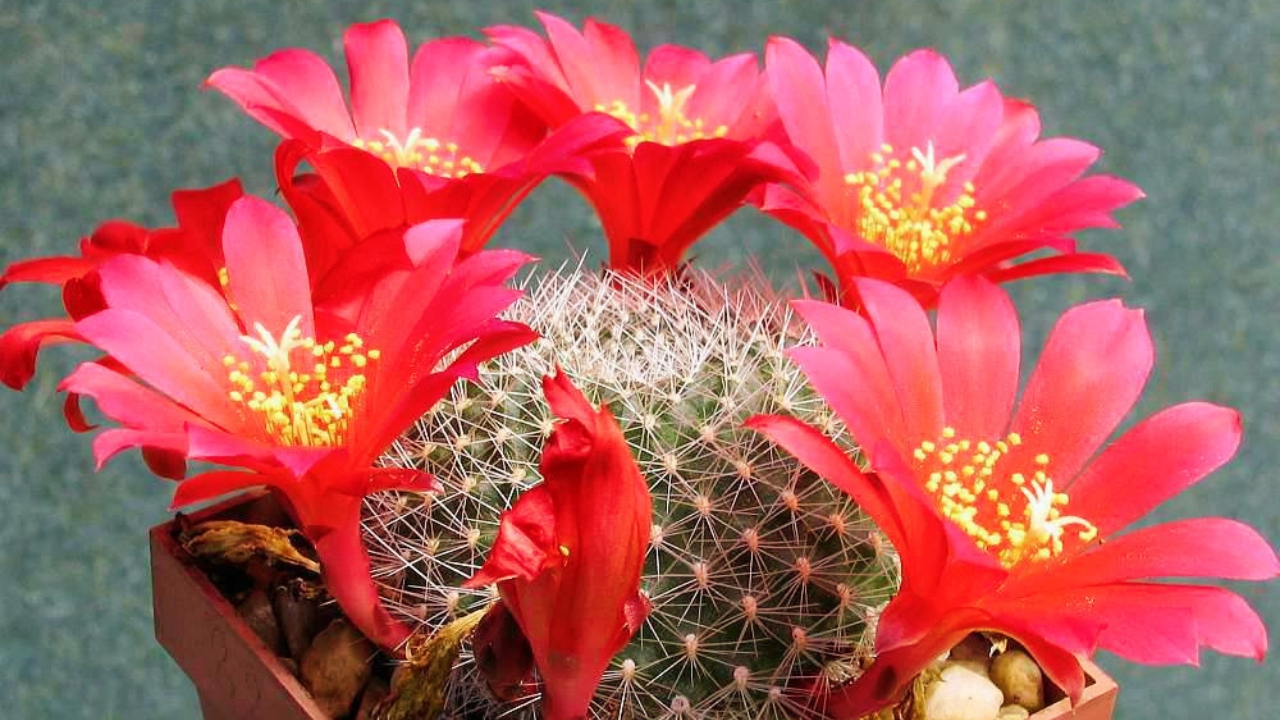
Rebutia cactus is one of the most rewarding small cactus varieties for indoor gardeners and succulent collectors. Native to the mountainous regions of Bolivia and Argentina, these compact cacti are admired for their round shape, soft spines, and spectacular blooms that appear in vivid shades of orange, red, pink, yellow, and white. Unlike many desert cacti that bloom briefly or unpredictably, Rebutia species often flower generously every year when given the right conditions.
These cacti typically grow in clusters, producing offsets around the base of the mother plant. Over time, a single plant can develop into a beautiful mound filled with colorful blossoms. Their manageable size and relatively easy care requirements make them ideal for windowsills, balconies, indoor gardens, and succulent arrangements.
One of the biggest reasons gardeners love Rebutia cactus is its balance between beauty and simplicity. Even beginners can achieve healthy growth and repeated flowering with proper light, watering, and seasonal care.
Choosing the Right Rebutia Variety
There are many species and hybrids within the Rebutia family, each offering unique colors and textures. Some varieties have fine hair-like spines, while others feature denser or more decorative patterns. Popular types include Rebutia muscula, known for its fuzzy appearance and bright orange flowers, and Rebutia heliosa, which displays tightly arranged spirals and stunning blooms.
When selecting a plant, choose one with firm, evenly colored stems and no signs of rot or pest damage. Healthy Rebutia cacti should feel solid and free from mushy spots. Small offsets around the base are usually a good sign of maturity and healthy development.
Beginners often benefit from starting with nursery-grown plants because they adapt more easily to indoor conditions. Younger plants may take some time to bloom, but once established, they become dependable flowering cacti.
Ideal Light Conditions for Healthy Growth
Proper lighting is one of the most important aspects of Rebutia cactus care. These plants thrive in bright light but generally appreciate some protection from harsh afternoon sun, especially during extremely hot summers.
Indoors, place the cactus near a south-facing or east-facing window where it can receive several hours of sunlight each day. Morning sunlight works particularly well because it is bright without being excessively intense. If natural light is limited, a grow light can help maintain healthy growth and encourage blooming.
Outdoor plants should be introduced gradually to direct sunlight to prevent sunburn. Rebutia cacti exposed suddenly to intense heat may develop pale or brown patches on their surface. Filtered sunlight or partial shade during the hottest part of the day helps preserve their vibrant appearance.
A lack of adequate light can lead to stretched growth, poor flowering, and weakened stems. Compact growth and regular blooming usually indicate that the plant is receiving appropriate lighting.
Best Soil for Rebutia Cactus
Fast-draining soil is essential for preventing root rot and maintaining healthy roots. Rebutia cactus prefers a gritty cactus mix that allows water to flow through quickly while still providing enough structure for root support.
A quality cactus potting mix combined with materials like coarse sand, pumice, or perlite works very well. Heavy garden soil or moisture-retaining potting mixes should be avoided because they trap water around the roots for too long.
Containers must also include drainage holes. Terracotta pots are especially useful because they allow excess moisture to evaporate more easily than plastic containers. Proper drainage is one of the most effective ways to protect cacti from fungal diseases and root problems.
Repotting is generally needed every two to three years or when the plant outgrows its container. During repotting, inspect the roots carefully and remove any dead or damaged sections before placing the cactus into fresh soil.
Watering Rebutia Cactus Correctly
Watering is often where many cactus owners make mistakes. Rebutia cactus prefers a soak-and-dry approach, meaning the soil should dry out almost completely between waterings.
During the active growing season in spring and summer, water thoroughly whenever the soil becomes dry. Allow excess water to drain fully from the pot, and never let the cactus sit in standing water. Depending on temperature and humidity, watering may be needed every one to two weeks.
In autumn, reduce watering gradually as the plant prepares for dormancy. During winter, water very sparingly. Many Rebutia cacti require a cool and relatively dry resting period to stimulate flowering in the next growing season.
Overwatering is far more dangerous than underwatering. Signs of excess moisture include yellowing, softness, black spots, and root rot. Wrinkling or slight shrinking, on the other hand, may indicate that the cactus needs water.
Temperature and Humidity Requirements
Rebutia cactus enjoys moderate temperatures and adapts well to indoor environments. Ideal growing temperatures range between 65°F and 80°F during the active season.
What makes this cactus particularly interesting is its appreciation for cooler winter temperatures. A dormant period with temperatures around 40°F to 50°F can encourage more abundant blooming in spring. However, freezing conditions should always be avoided.
Humidity is generally not a major concern because these plants prefer dry air. Good ventilation helps prevent fungal problems and keeps the cactus healthy. If grown indoors, avoid placing the plant in excessively humid areas such as poorly ventilated bathrooms or damp basements.
Outdoor gardeners in colder climates often move their Rebutia cacti indoors before winter frost arrives. A bright, cool room is usually ideal for winter care.
Fertilizing for Better Blooms
Although Rebutia cactus does not require heavy feeding, occasional fertilizer can support healthy growth and flowering. During spring and summer, apply a diluted cactus fertilizer once a month.
A fertilizer lower in nitrogen and slightly higher in phosphorus is often recommended because excessive nitrogen can encourage weak, overly soft growth. Always dilute fertilizer according to instructions to avoid damaging the roots.
Do not fertilize during winter dormancy. The plant naturally slows its growth during this period and does not need additional nutrients.
Consistent seasonal care combined with proper feeding often results in spectacular floral displays. Mature plants can produce rings of blooms that nearly cover the cactus body, creating an impressive visual effect.
How to Propagate Rebutia Cactus
Propagation is one of the easiest and most enjoyable parts of growing Rebutia cactus. Because these plants naturally produce offsets, gardeners can create new plants with minimal effort.
To propagate from offsets, gently remove a healthy pup from the base of the parent plant using clean hands or a sterile knife. Allow the offset to dry for a day or two so the cut surface can callus over. This step helps reduce the risk of rot once planted.
Place the offset into dry cactus soil and wait a few days before lightly watering. Within several weeks, roots usually begin to develop. Keep the new plant in bright, indirect light during the rooting process.
Rebutia cacti can also be grown from seeds, although this method requires more patience. Seeds should be sown on well-draining soil and kept lightly moist until germination occurs. Warm temperatures and gentle light improve success rates.
Propagation allows collectors to expand their cactus collection while preserving favorite varieties and bloom colors.
Common Problems and Solutions
Despite being relatively easy to care for, Rebutia cactus can still face occasional issues. Overwatering remains the most common problem and often leads to root rot or fungal disease. Using proper soil and careful watering habits usually prevents these complications.
Pests such as mealybugs and spider mites may occasionally appear, especially on indoor plants. Regular inspection helps catch infestations early. A cotton swab dipped in rubbing alcohol can remove small groups of pests, while insecticidal soap may help with more serious infestations.
If the cactus fails to bloom, insufficient light or lack of winter dormancy may be the cause. Providing brighter conditions and cooler winter temperatures often improves flowering the following season.
Sunburn can also occur if plants are exposed to intense sunlight too quickly. Gradual acclimation to outdoor conditions helps prevent damage.
Styling and Display Ideas
Rebutia cactus makes an attractive addition to many decorative spaces because of its compact size and colorful blooms. Small terracotta pots complement the natural appearance of the plant and improve airflow around the roots.
These cacti work beautifully in succulent arrangements, windowsill gardens, and minimalist indoor displays. Because they remain relatively small, several varieties can be grouped together to create a vibrant cactus collection.
Blooming Rebutia plants also make thoughtful gifts for plant lovers. Their cheerful flowers and manageable care needs appeal to both experienced collectors and beginners.
With the right balance of sunlight, drainage, watering, and seasonal rest, Rebutia cactus can thrive for many years. Its bright flowers, charming form, and easy propagation make it one of the most rewarding cacti to grow at home.
