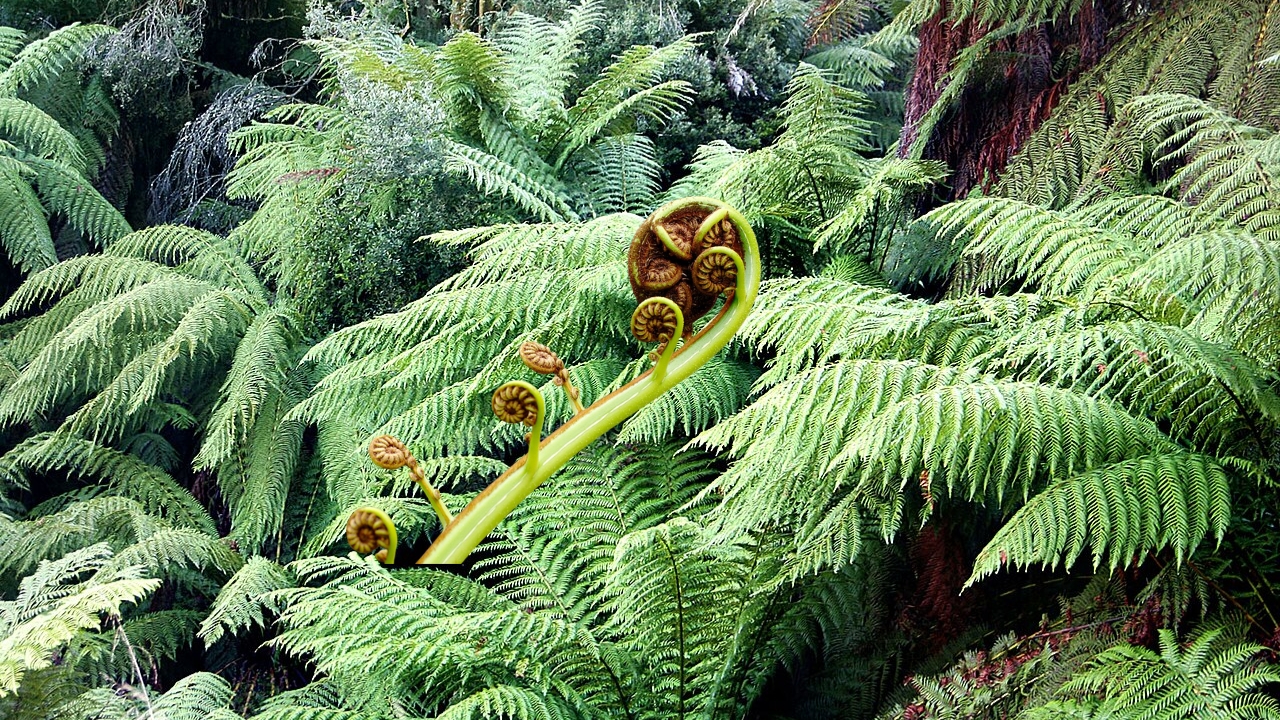
Cyatheales ferns, commonly known as tree ferns, are some of the most elegant and ancient plants found in tropical and subtropical regions. Their unique structure, which includes a thick, fibrous trunk topped with a crown of large, feathery fronds, makes them a standout in both natural and cultivated landscapes. These ferns can grow to impressive heights in the wild, but with proper care, smaller cultivars can thrive in gardens or large containers. Understanding their natural habitat is crucial to replicating conditions that support healthy growth, as they typically thrive in humid, shaded environments with rich, well-draining soil.
Tree ferns are not only decorative but also contribute to biodiversity by providing habitat and microclimates for other plants and small creatures. Knowing the differences between genera such as Cyathea and Dicksonia can help gardeners select the best species for their climate and care capabilities.
Choosing the Right Location
Selecting the right location is critical for the success of Cyatheales ferns. These ferns naturally grow under the canopy of rainforests, meaning they prefer filtered sunlight rather than direct exposure. Placing them in a spot with morning sun and afternoon shade or under tall trees can mimic their natural environment.
Protection from strong winds is also essential, as the large fronds can be easily damaged, and wind can dry out the crown, stressing the plant. For indoor cultivation, a bright room away from direct sunlight or near a window with sheer curtains works best. Humidity levels should be consistently high, which may require misting or a nearby humidifier, especially in dry climates or heated interiors.
Ideal Soil Conditions
Cyatheales ferns require a soil mixture that is rich in organic matter while allowing for excellent drainage. A combination of compost, leaf mold, and coarse sand or perlite creates an environment similar to the forest floor, which retains moisture without becoming waterlogged. The soil pH should be slightly acidic to neutral, generally between 5.5 and 6.5, as alkaline conditions can hinder nutrient absorption.
Adding a layer of mulch around the base helps retain moisture, suppress weeds, and gradually enrich the soil as it decomposes. When planting in containers, ensure the pot has adequate drainage holes, and consider lining it with sphagnum moss to keep the root ball consistently moist. Regularly checking the soil for moisture levels is important, as both under- and over-watering can stress the plant and reduce frond growth.
Watering Requirements
Maintaining consistent moisture is vital for Cyatheales ferns. In their natural habitat, these ferns receive frequent rainfall, so it is important to replicate this through regular watering. The soil should remain damp but never soggy, as standing water can lead to root rot.
Watering should focus on the root zone and the base of the trunk, avoiding excessive water on the crown to prevent fungal growth. During dry spells or in indoor settings with low humidity, misting the fronds daily can help maintain the necessary moisture in the microclimate surrounding the plant. Mulching and proper soil composition work together with watering to ensure the plant remains hydrated without waterlogging.
Feeding and Fertilization
Cyatheales ferns benefit from a balanced fertilization routine that mimics the nutrient input they would receive in the wild. Organic fertilizers such as compost teas, seaweed extracts, or slow-release granular fertilizers provide essential nutrients like nitrogen, phosphorus, and potassium. Fertilization should be done during the active growing season, typically spring through early autumn, while reducing feeding during the dormant period in winter.
Applying fertilizer sparingly around the base and lightly incorporating it into the soil prevents nutrient burn and ensures steady growth. Supplementing with trace elements like magnesium and iron can enhance frond coloration and overall vigor. Regular monitoring of frond health and growth patterns helps determine if adjustments in fertilization are necessary.
Pruning and Maintenance
Regular maintenance ensures that Cyatheales ferns remain healthy and aesthetically pleasing. Removing dead or damaged fronds not only improves appearance but also prevents pests and diseases from establishing themselves. Care should be taken to prune fronds close to the trunk without damaging the crown.
Monitoring for pests such as scale insects, slugs, and snails is important, as these can damage young fronds. For large ferns, structural support may be needed to prevent top-heavy fronds from breaking, especially after heavy rainfall. Keeping the crown free of debris and ensuring adequate air circulation reduces the risk of fungal infections, which can be a common issue in humid environments.
Propagation Methods
Propagating Cyatheales ferns can be accomplished through spores or division, though both methods require patience and careful attention. Spore propagation is more challenging but rewarding, as it allows for the cultivation of new plants from mature fronds. Collect spores from the underside of healthy fronds and sow them on a moist, sterile growing medium in a shaded environment. Germination can take several weeks, and seedlings should be nurtured in high humidity conditions until they are robust enough for transplanting.
Division is simpler and involves separating offsets or young shoots from the main plant. This method works best with mature specimens that have developed multiple crowns. Each division should retain a portion of the trunk, roots, and fronds to ensure successful establishment. After planting, consistent watering, protection from direct sun, and humidity maintenance are crucial for adaptation.
Seasonal Care Considerations
Cyatheales ferns are sensitive to seasonal changes, particularly temperature fluctuations. In cooler climates, protection from frost is necessary, as freezing temperatures can damage fronds and the growing tip. Covering the crown with horticultural fleece or moving container plants indoors during cold spells helps prevent winter damage.
During hot, dry periods, increased watering and regular misting help prevent dehydration. Adjusting care according to seasonal growth patterns ensures that the fern maintains healthy fronds and a strong trunk year-round. Observing the plant closely for signs of stress, such as yellowing fronds or slowed growth, allows for timely intervention before damage becomes severe.
Common Challenges and Solutions
Growing Cyatheales ferns can present some challenges, but most are manageable with proper knowledge. Yellowing fronds may indicate overwatering, nutrient deficiency, or low humidity, while browning tips often point to dehydration or exposure to direct sunlight. Addressing these issues quickly helps prevent long-term damage.
Pests such as scale insects and slugs can be managed through manual removal, natural predators, or safe organic treatments. Root rot caused by poor drainage can be avoided by ensuring soil composition allows water to drain freely and by not letting water accumulate around the trunk. By proactively addressing these challenges, gardeners can maintain the health and beauty of their tree ferns for many years.
Enhancing Growth and Longevity
To maximize the growth and longevity of Cyatheales ferns, creating conditions that closely mimic their native environment is key. Consistent humidity, filtered light, nutrient-rich soil, and adequate watering all contribute to strong frond development and trunk stability.
Incorporating companion plants that thrive in similar conditions, such as shade-loving groundcovers or tropical understory plants, can improve microclimate and aesthetic appeal. Regular monitoring, combined with timely pruning, feeding, and pest control, ensures that the fern continues to flourish. With careful attention and patience, Cyatheales ferns can become a striking focal point, showcasing their prehistoric elegance and adding a touch of rainforest beauty to any garden or indoor space.
