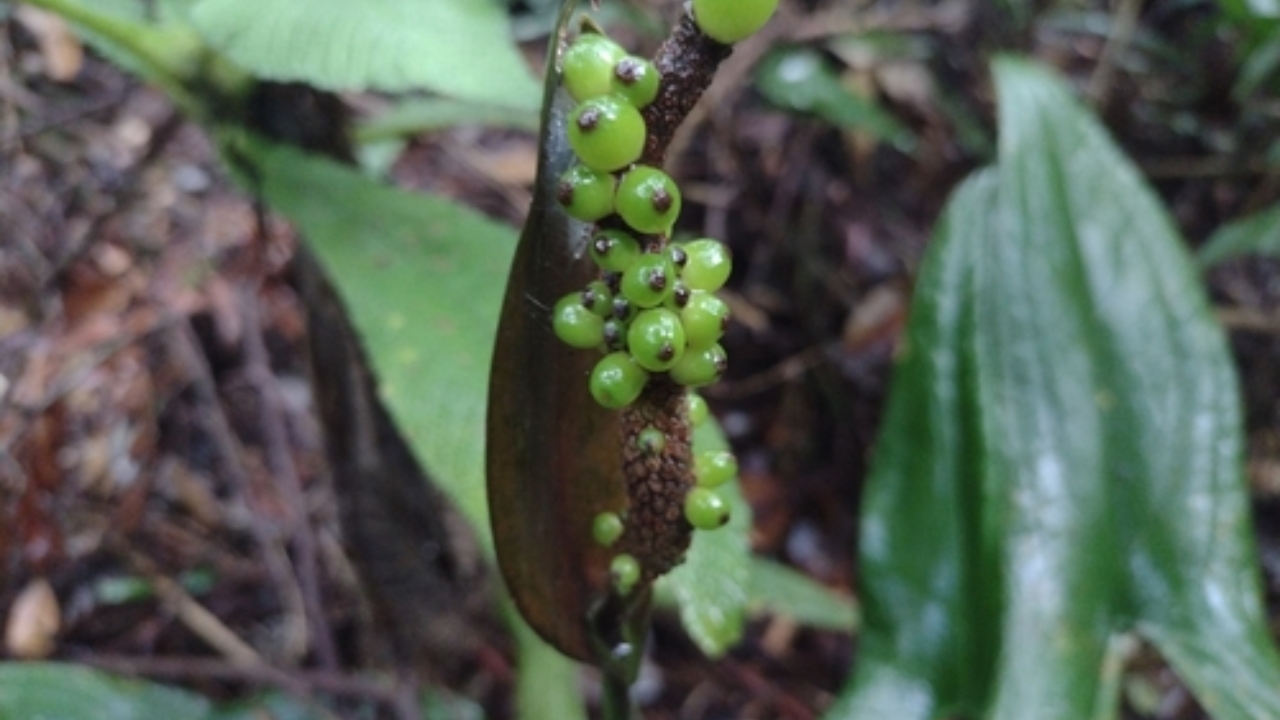
Growing gearum successfully begins with understanding what it needs to thrive. Like any plant or crop, gearum responds best when its natural conditions are closely replicated. It typically prefers a balanced environment with moderate sunlight, consistent moisture, and nutrient-rich soil. Before planting, it’s important to study the local climate and ensure it aligns with gearum’s growth cycle.
Temperature plays a critical role. Gearum generally performs well in warm conditions but can struggle in extreme heat or cold. Maintaining a stable range helps prevent stress, which can slow growth. Equally important is selecting a location that offers protection from strong winds while still allowing good air circulation.
Choosing the Right Soil for Optimal Growth
Healthy soil is the foundation of fast and strong gearum growth. The ideal soil should be well-draining yet capable of retaining enough moisture to keep roots hydrated. Loamy soil tends to work best because it provides a balanced mix of sand, silt, and organic matter.
Before planting, enrich the soil with compost or organic fertilizer. This not only improves texture but also introduces essential nutrients that gearum needs during its early stages. Testing the soil pH is another smart step. Gearum usually prefers slightly acidic to neutral soil, so adjusting pH levels when necessary can significantly improve growth outcomes.
Planting Techniques That Encourage Fast Development
Proper planting techniques can make a noticeable difference in how quickly gearum grows. Start by spacing plants appropriately to avoid overcrowding. When plants are too close together, they compete for sunlight, nutrients, and water, which can stunt growth.
Depth is also important. Plant gearum at the recommended depth to ensure roots establish properly. If planted too shallow, the roots may dry out quickly; too deep, and the plant may struggle to emerge. Water immediately after planting to help settle the soil and eliminate air pockets around the roots.
Timing matters as well. Planting during the right season ensures that gearum benefits from optimal environmental conditions right from the start.
Watering Strategies for Consistent Growth
Watering is one of the most critical factors in growing gearum successfully. The key is consistency. Gearum prefers soil that remains evenly moist but not waterlogged. Overwatering can lead to root rot, while underwatering can cause stress and slow development.
A good strategy is to water deeply but less frequently. This encourages roots to grow deeper into the soil, making the plant more resilient. Early morning watering is ideal because it allows moisture to soak in before the heat of the day causes evaporation.
Monitoring the soil regularly helps determine when watering is needed. If the top layer feels dry, it’s usually time to water again.
Sunlight and Positioning for Maximum Yield
Gearum thrives in areas that receive adequate sunlight. Most varieties require at least six to eight hours of sunlight daily for optimal growth. Insufficient light can result in weak stems and slower development.
Choosing the right location in your garden or farm is crucial. Look for a spot that gets consistent sunlight throughout the day without prolonged shading from trees or structures. If growing indoors or in limited-light areas, consider supplemental lighting to maintain healthy growth.
Proper positioning also helps with airflow, which reduces the risk of diseases and promotes stronger plants.
Fertilization and Nutrient Management
To achieve fast and healthy growth, gearum needs a steady supply of nutrients. Nitrogen, phosphorus, and potassium are particularly important. Nitrogen supports leafy growth, phosphorus aids root development, and potassium enhances overall plant health.
Using organic fertilizers such as compost, manure, or natural plant-based feeds can provide a slow and steady nutrient release. For quicker results, balanced liquid fertilizers can be applied during the active growth phase.
However, over-fertilizing can do more harm than good. Excess nutrients can burn the roots or lead to excessive foliage with weak structural integrity. Following recommended application rates ensures optimal results without damaging the plant.
Pruning and Maintenance Practices
Regular maintenance helps gearum grow more efficiently. Pruning is especially beneficial as it encourages the plant to focus its energy on healthy growth rather than maintaining weak or damaged parts.
Remove dead leaves, damaged stems, and any signs of disease as soon as they appear. This not only improves the plant’s appearance but also prevents the spread of infections.
Weeding is another essential task. Weeds compete with gearum for nutrients, water, and sunlight, so keeping the growing area clean ensures that gearum has access to all the resources it needs.
Pest and Disease Control Strategies
Pests and diseases can quickly hinder gearum’s growth if not managed properly. Common issues include insects that feed on leaves and fungal infections that develop in overly damp conditions.
Preventive measures are the most effective approach. Maintaining proper spacing, avoiding overwatering, and ensuring good airflow can significantly reduce the risk of problems. Natural remedies such as neem oil or mild soap sprays can help control pests without harming the plant.
Regular inspection is key. Catching issues early allows for quick intervention before they escalate into serious problems.
Seasonal Care and Growth Optimization
Gearum’s needs can change with the seasons, so adjusting care routines accordingly is essential. During warmer months, increased watering and shading may be necessary to prevent heat stress. In cooler periods, reducing watering and protecting plants from cold temperatures can help maintain steady growth.
Mulching is a useful technique that works year-round. It helps retain soil moisture, regulate temperature, and suppress weeds. Organic mulch materials also break down over time, adding nutrients back into the soil.
Understanding seasonal patterns allows growers to anticipate changes and respond proactively.
Harvesting and Encouraging Continued Growth
Knowing when and how to harvest gearum is just as important as growing it. Harvesting at the right time ensures the best quality and encourages the plant to continue producing.
Use clean, sharp tools to avoid damaging the plant. Gentle handling prevents unnecessary stress, which can affect future growth. After harvesting, continue to care for the plant with proper watering and feeding to support regeneration.
Consistent harvesting often stimulates further production, making it a key strategy for maximizing yield over time.
Final Thoughts on Growing Gearum Successfully
Growing gearum successfully is a combination of proper planning, consistent care, and attention to detail. By focusing on soil quality, watering practices, sunlight exposure, and regular maintenance, you can create the ideal conditions for fast and healthy growth.
Patience and observation are equally important. Every growing environment is slightly different, so adapting techniques based on results will help refine your approach over time. With the right strategies in place, gearum can thrive and deliver impressive results season after season.
