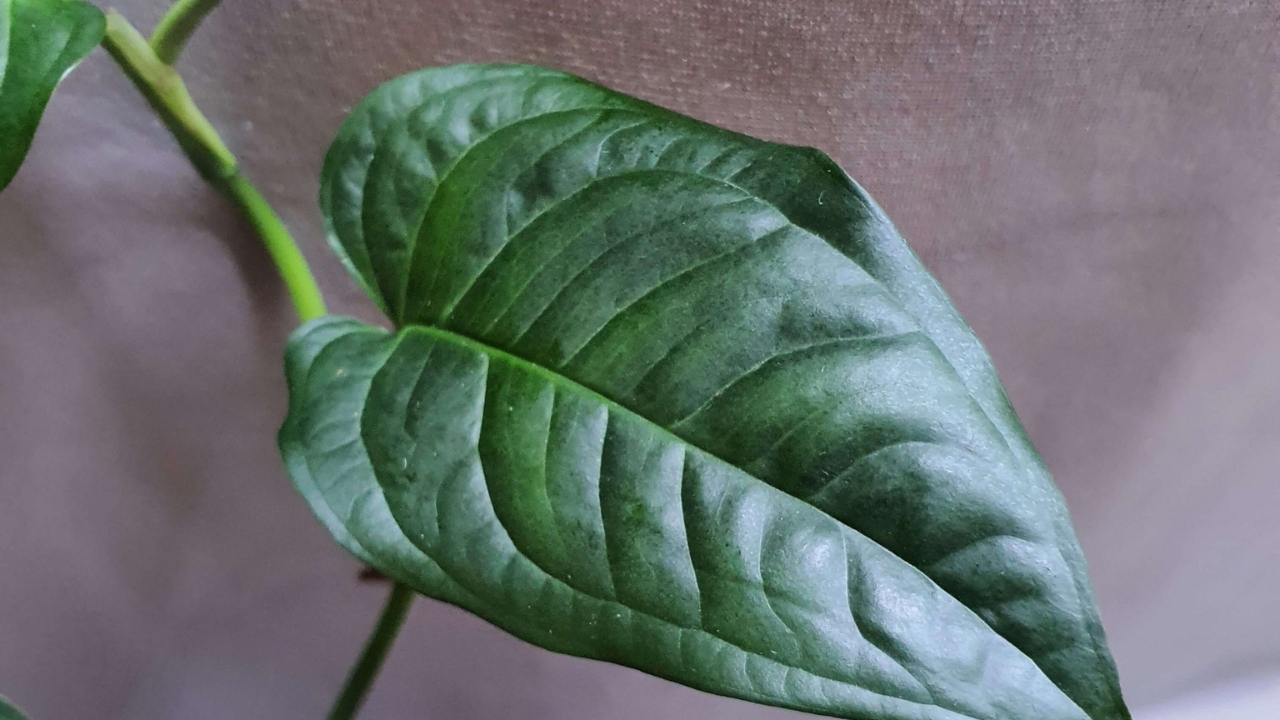
Anadendrum is a fascinating genus of tropical climbing plants belonging to the Araceae family, the same group that includes popular houseplants like philodendrons and monsteras. Native to Southeast Asia, these plants are admired for their lush, elongated foliage and their ability to climb or trail, making them an attractive addition to indoor and outdoor plant collections. Although not as widely known as other aroids, Anadendrum species are steadily gaining popularity among plant enthusiasts who appreciate rare and exotic greenery.
Growing Anadendrum successfully requires an understanding of its natural habitat. In the wild, these plants thrive in warm, humid forests where they climb trees and receive filtered light. Replicating these conditions at home is the key to healthy growth and vibrant foliage.
Choosing the Right Environment
Creating the right environment is the foundation of successful Anadendrum cultivation. These plants prefer warm temperatures ranging between 18°C and 30°C. Sudden temperature drops or exposure to cold drafts can stress the plant, so it is best to keep it in a stable indoor setting or a sheltered outdoor space in tropical climates.
Humidity plays a crucial role in the plant’s health. Anadendrum thrives in high humidity levels, ideally above 60 percent. In dry environments, the leaves may develop brown edges or lose their vitality. Using a humidifier, placing the plant on a pebble tray with water, or grouping it with other plants can help maintain adequate moisture in the air.
Lighting should mimic the dappled sunlight of a forest canopy. Bright, indirect light is ideal. Direct sunlight, especially during the harsh afternoon hours, can scorch the leaves, while insufficient light may result in slow growth and smaller foliage.
Soil and Potting Requirements
The right soil mix ensures proper drainage while retaining enough moisture for the roots. Anadendrum prefers a well-aerated, loose potting medium similar to what is used for other aroids. A mix of peat or coco coir, perlite, and orchid bark works well to provide both moisture retention and airflow.
Good drainage is essential. Always choose pots with drainage holes to prevent water from accumulating at the bottom, which can lead to root rot. Repotting should be done every one to two years or when the plant becomes root-bound. During repotting, gently loosen the roots and refresh the soil to encourage continued growth.
Watering Practices
Watering Anadendrum requires a balanced approach. The soil should be kept consistently moist but not waterlogged. Overwatering is one of the most common mistakes and can quickly lead to root rot, while underwatering can cause the plant to wilt and dry out.
A good rule of thumb is to water when the top inch of soil feels slightly dry. During warmer months, the plant may require more frequent watering, while in cooler seasons, the frequency should be reduced. Always use room-temperature water to avoid shocking the roots.
Observing the plant is key. Drooping leaves may indicate either overwatering or underwatering, so checking the soil moisture is essential before adjusting your routine.
Fertilizing for Healthy Growth
To support lush foliage and steady growth, Anadendrum benefits from regular feeding during its active growing season, typically spring and summer. A balanced liquid fertilizer diluted to half strength can be applied every two to four weeks.
Avoid over-fertilizing, as this can lead to salt buildup in the soil and damage the roots. During the dormant period in autumn and winter, feeding can be reduced or stopped altogether, allowing the plant to rest.
Organic options such as compost tea or slow-release fertilizers can also be used to provide nutrients in a gentler, more sustainable way.
Training and Support
As a climbing plant, Anadendrum naturally seeks support to grow upwards. Providing a moss pole, trellis, or similar structure encourages vertical growth and helps the plant develop larger, more mature leaves.
Gently tie the stems to the support structure using soft plant ties or twine. As the plant grows, it will begin to attach itself and climb naturally. Regularly guiding the vines ensures a neat and aesthetically pleasing appearance.
If a trailing look is preferred, the plant can also be allowed to cascade from a hanging basket, creating a lush, decorative effect.
Pruning and Maintenance
Routine pruning helps maintain the plant’s shape and encourages new growth. Remove yellowing, damaged, or dead leaves to keep the plant healthy and visually appealing. Pruning can also be used to control size and promote bushier growth.
Cleaning the leaves is another important aspect of maintenance. Dust can accumulate on the foliage, reducing the plant’s ability to photosynthesize efficiently. Wiping the leaves gently with a damp cloth helps keep them clean and glossy.
Regular निरीक्षण for pests or diseases ensures that any issues are addressed early before they become serious problems.
Common Pests and Problems
Like many indoor plants, Anadendrum can be susceptible to pests such as spider mites, mealybugs, and aphids. These pests often thrive in dry conditions, making proper humidity an important preventive measure.
If pests are detected, they can be treated using insecticidal soap, neem oil, or by wiping the leaves with a mild soap solution. Consistent monitoring is essential to prevent infestations from spreading.
Fungal issues, particularly root rot, can occur if the plant is overwatered or if drainage is poor. Ensuring proper watering practices and using a well-draining soil mix are the best ways to avoid such problems.
Propagation Techniques
Propagating Anadendrum is relatively straightforward and can be done through stem cuttings. Select a healthy stem with at least one node and a few leaves, and cut it using clean, sharp scissors.
The cutting can be placed in water or directly into moist soil. If rooting in water, ensure that the node is submerged while the leaves remain above the surface. Once roots develop, the cutting can be transferred to soil.
Propagation is best done during the growing season when the plant is most active, increasing the chances of successful rooting and establishment.
Seasonal Care Tips
Anadendrum’s care needs can vary slightly with the seasons. During spring and summer, the focus should be on active growth, with regular watering, feeding, and adequate light. This is also the best time for repotting and propagation.
In autumn and winter, growth slows down, and the plant requires less water and fertilizer. It is important to protect the plant from cold temperatures and maintain stable indoor conditions.
Adjusting care routines according to seasonal changes helps ensure the plant remains healthy throughout the year.
Final Thoughts on Growing Anadendrum
Anadendrum is a rewarding plant for those willing to provide the right conditions. Its exotic appearance and climbing nature make it a standout addition to any plant collection. While it may require a bit more attention compared to common houseplants, the effort is well worth it.
By focusing on proper lighting, humidity, watering, and support, even beginners can successfully grow and enjoy this unique tropical species. With consistent care and observation, Anadendrum can thrive and become a long-lasting, beautiful feature in your indoor or outdoor space.
