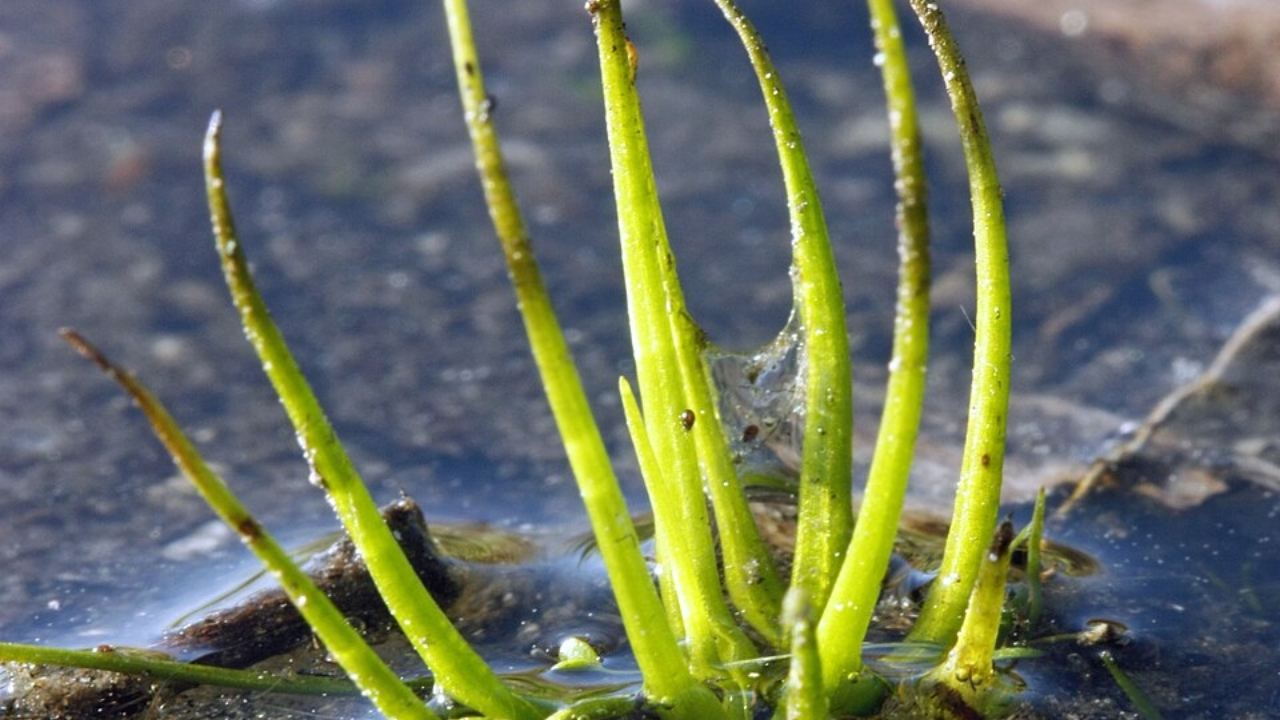
Lycophytes are among the most ancient groups of vascular plants on Earth, dating back more than 400 million years. Often called club mosses, spike mosses, or quillworts, these plants belong to a primitive lineage that once dominated prehistoric landscapes. Today, they survive in a variety of environments, from humid forests and wetlands to rocky alpine habitats. Their delicate foliage and unique growth patterns make them fascinating plants for botanists, collectors, and plant enthusiasts.
Growing lycophytes can be a rewarding experience for gardeners who appreciate unusual and historically significant plants. Although they are sometimes mistaken for mosses or small ferns, lycophytes are true vascular plants with roots, stems, and specialized leaves called microphylls. With the right conditions, these plants can thrive in home gardens, terrariums, or greenhouse environments.
Understanding their natural habitat, growth requirements, and propagation methods is essential for successful cultivation. This guide explains how to grow lycophytes, including care techniques, habitat needs, and propagation strategies that help these ancient plants flourish.
Understanding Lycophyte Characteristics
Lycophytes are characterized by their small, simple leaves known as microphylls. Unlike the large fronds of ferns, microphylls contain a single vein and are arranged densely along the stems. This gives lycophytes a soft, feathery appearance that resembles moss carpets or miniature conifers.
Another distinctive feature is their reproductive structures called strobili. These cone-like formations appear at the tips of stems and contain spores instead of seeds. Lycophytes reproduce through these spores, making their life cycle similar to ferns and other ancient plant groups.
Most lycophytes grow low to the ground and spread through creeping stems or rhizomes. Some species form dense mats that cover forest floors, while others grow upright in small clusters. Because of their compact growth habit, they are ideal for shaded gardens, rock gardens, and indoor terrariums.
Their slow growth and ancient evolutionary lineage make them particularly appealing to plant collectors and botanical enthusiasts who enjoy cultivating rare or unusual plants.
Natural Habitat of Lycophytes
In the wild, lycophytes thrive in environments with high humidity, filtered light, and well-drained soils. Many species grow in temperate forests where they receive indirect sunlight beneath tree canopies. Others inhabit wetlands, bogs, or mountain slopes where moisture levels remain consistent.
Forest ecosystems provide the perfect balance of shade and moisture that lycophytes require. Fallen leaves, decaying organic matter, and loose soil create a nutrient-rich environment that supports their shallow root systems.
Some species also adapt to rocky crevices or moss-covered ground where competition from larger plants is limited. These habitats often provide stable humidity and protection from harsh sunlight.
When cultivating lycophytes at home, recreating these natural conditions is the key to healthy growth. Maintaining adequate humidity, providing indirect light, and using suitable soil mixtures will closely mimic the environments where these plants naturally thrive.
Choosing the Right Lycophyte Species
There are several genera of lycophytes commonly grown by plant enthusiasts. Each species has slightly different requirements, but most share similar preferences for shade and moisture.
Club moss varieties are popular in woodland gardens due to their creeping growth and soft, evergreen foliage. Spike moss species are widely grown as ornamental plants and are often used in terrariums or decorative plant arrangements. Quillwort species are typically aquatic or semi-aquatic and grow best in wet environments such as ponds or bog gardens.
When selecting a species to grow, it is important to consider the climate and growing environment available. Some lycophytes tolerate cooler temperatures, while others prefer warm and humid conditions. Choosing a species suited to your region will increase the likelihood of successful cultivation.
Beginners often start with hardy species that adapt well to indoor environments or shaded garden beds. As experience grows, more delicate species can be introduced to expand a collection.
Ideal Soil Conditions for Growing Lycophytes
Lycophytes prefer light, well-draining soil that retains moisture without becoming waterlogged. In their natural habitats, they often grow in soils rich in organic matter such as decomposed leaves, bark, and forest humus.
A suitable soil mixture for cultivation may include peat moss, leaf mold, sand, and fine bark. This combination creates a loose substrate that supports root development while maintaining consistent moisture levels.
Drainage is important because stagnant water can damage delicate roots. Using containers with drainage holes or planting lycophytes in raised garden beds helps prevent water accumulation.
Adding natural organic matter also improves soil structure and provides slow-release nutrients. Because lycophytes do not require heavy fertilization, maintaining healthy soil conditions is usually sufficient for their growth.
Light and Temperature Requirements
Most lycophytes thrive in low to moderate light conditions. Direct sunlight can scorch their delicate foliage, so filtered or indirect light is ideal. Locations beneath tree canopies, shaded patios, or indoor spaces near north-facing windows provide suitable lighting.
Terrariums and indoor plant shelves are popular environments for lycophytes because they allow growers to control both light and humidity. Artificial grow lights can also support healthy growth if natural light is limited.
Temperature requirements vary slightly between species, but many lycophytes prefer cool to moderate climates. Temperatures between 15 and 24 degrees Celsius are generally ideal. Extreme heat or sudden temperature fluctuations can stress the plants and slow their growth.
Maintaining a stable environment helps mimic their natural forest habitats and encourages steady development.
Watering and Humidity Needs
Moisture is one of the most important factors when growing lycophytes. These plants thrive in consistently damp conditions, but the soil should never remain saturated for long periods.
Regular watering keeps the substrate evenly moist. In dry climates or indoor environments with low humidity, misting the plants can help maintain adequate moisture levels around the foliage.
High humidity is particularly important for terrarium-grown lycophytes. Enclosed environments naturally trap moisture and create a stable microclimate that supports their delicate leaves.
If grown outdoors, mulching around the plants can help retain soil moisture and protect shallow roots from drying out. Monitoring moisture levels regularly ensures that the plants receive consistent hydration without excessive water buildup.
Propagation Methods for Lycophytes
Propagation of lycophytes is typically done through spores or division. While spore propagation closely follows their natural life cycle, it requires patience and careful conditions.
Spores are produced in strobili and can be collected once mature. When placed on a moist growing medium, spores develop into small gametophytes that eventually produce new plants. This process can take several months and requires stable humidity and gentle lighting.
Division is a simpler method for gardeners. Many lycophytes spread through creeping stems or rhizomes, which can be carefully separated and replanted. Each divided section should include roots and healthy foliage to ensure successful growth.
Propagation by division is commonly used in garden settings because it produces mature plants more quickly than spore cultivation.
Common Problems and Plant Care Tips
Although lycophytes are relatively hardy when grown in suitable conditions, certain issues may arise if their environment becomes too dry or too bright. Browning foliage is often a sign of insufficient humidity or excessive sunlight.
Poor drainage can also lead to root damage. Ensuring that soil remains moist but not waterlogged helps prevent these problems.
Occasional trimming of damaged or dried stems can improve the plant’s appearance and encourage fresh growth. Because lycophytes grow slowly, major pruning is rarely necessary.
Pests are generally uncommon, but indoor plants may occasionally attract small insects such as fungus gnats if the soil remains overly wet. Maintaining balanced watering practices helps reduce this risk.
Regular observation allows growers to adjust environmental conditions before minor problems become serious.
Benefits of Growing Lycophytes
Cultivating lycophytes offers several benefits beyond their visual appeal. These plants add texture and greenery to shaded gardens where many flowering plants struggle to grow. Their soft foliage creates natural ground cover that complements ferns, mosses, and other shade-loving species.
Lycophytes also play an important role in botanical education and conservation. As one of the oldest surviving plant groups, they provide valuable insight into plant evolution and prehistoric ecosystems.
In terrariums, they contribute to miniature landscapes that replicate natural forest environments. Their compact size and slow growth make them ideal for small decorative plant displays.
For plant enthusiasts who appreciate unusual species, lycophytes offer a unique opportunity to cultivate living representatives of ancient plant history.
Conclusion
Growing lycophytes successfully requires understanding their ancient origins and natural habitat preferences. These fascinating plants thrive in environments that offer shade, consistent moisture, and well-drained organic soil. By recreating the humid and sheltered conditions of forest ecosystems, gardeners can cultivate healthy and attractive lycophyte collections.
Whether grown in woodland gardens, indoor terrariums, or botanical displays, lycophytes add a unique element to plant cultivation. Their delicate foliage, slow growth, and evolutionary significance make them both beautiful and scientifically intriguing.
With careful attention to watering, humidity, and soil conditions, these ancient plants can flourish in modern gardens and indoor environments, allowing growers to experience a small piece of Earth’s botanical history.
