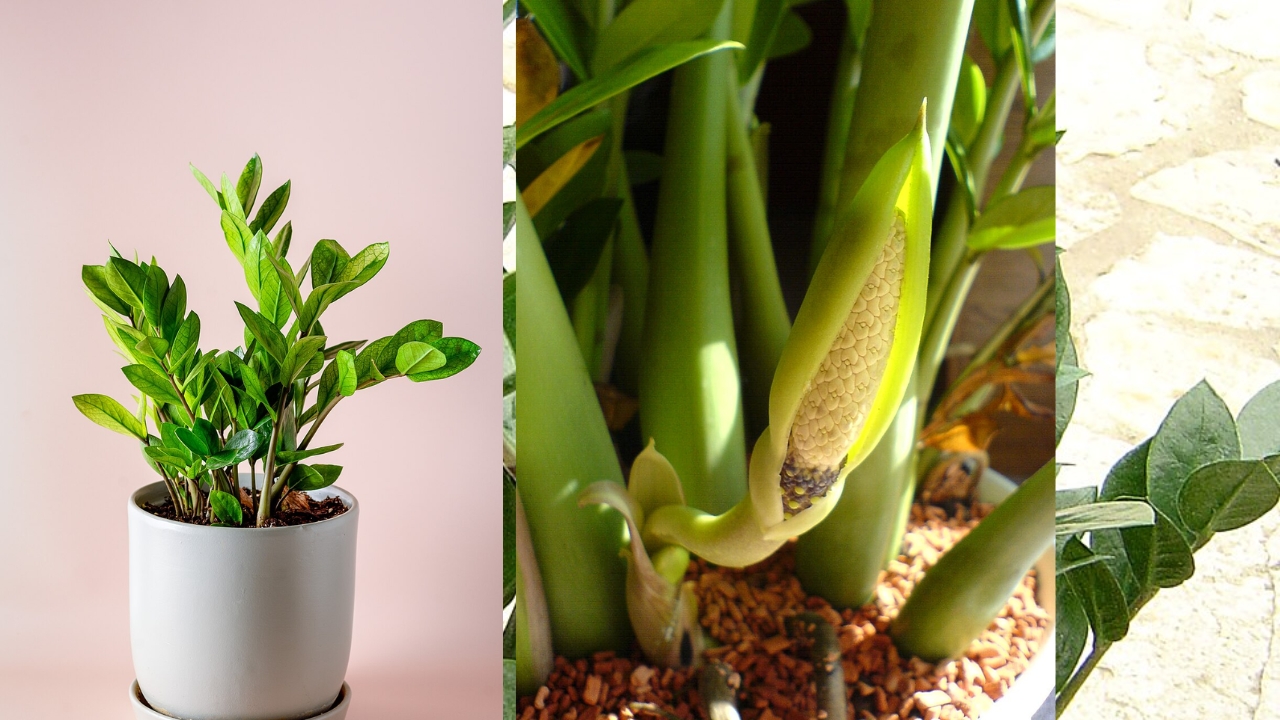
The Zanzibar Gem, commonly known as ZZ plant, is one of the most popular indoor plants for modern homes. Native to Eastern Africa, it thrives in conditions that would challenge most houseplants. Its glossy, deep green leaves and upright growth pattern make it a striking addition to any interior space. Beyond its beauty, the Zanzibar Gem is admired for its resilience and ability to tolerate neglect, making it an excellent choice for beginners and busy plant owners.
This plant grows from thick rhizomes beneath the soil, which store water and nutrients. These natural reserves allow it to survive periods of drought, making it highly adaptable to indoor environments. Understanding this unique structure is key to providing the right care and ensuring long-term growth.
Ideal Light Conditions for Healthy Growth
The Zanzibar Gem is incredibly flexible when it comes to lighting, which is one of the reasons it is so widely loved. It can tolerate low-light conditions, such as those found in offices or rooms with minimal natural sunlight. However, for optimal growth, it prefers bright, indirect light.
Placing the plant near a window with filtered sunlight will encourage faster growth and fuller foliage. Direct sunlight should be avoided, as it can scorch the leaves and cause discoloration. If your space has very low light, the plant will still survive, but its growth may slow down significantly.
Rotating the plant occasionally helps ensure even growth, preventing it from leaning toward the light source. This simple habit can keep your Zanzibar Gem looking balanced and lush.
Watering the Zanzibar Gem Correctly
One of the most important aspects of caring for a Zanzibar Gem is proper watering. Overwatering is the most common mistake and can quickly lead to root rot. Because of its rhizomes, the plant stores water efficiently and prefers to dry out between watering sessions.
A good rule of thumb is to water only when the topsoil feels completely dry. Depending on your indoor climate, this may mean watering every two to three weeks. During cooler months, the frequency should be reduced even further.
When watering, ensure that excess water drains out of the pot. Letting the plant sit in standing water can damage the roots. Using pots with drainage holes is highly recommended to maintain proper soil moisture levels.
Choosing the Right Soil and Pot
The Zanzibar Gem thrives in well-draining soil that prevents water from accumulating around its roots. A standard potting mix combined with sand or perlite works well to improve drainage. The goal is to create a light, airy medium that allows water to pass through easily.
Selecting the right pot is equally important. Containers with drainage holes are essential, as they help prevent waterlogging. Terracotta pots are particularly beneficial because they absorb excess moisture, reducing the risk of overwatering.
Repotting is only necessary every couple of years, as the plant prefers slightly crowded conditions. When repotting, choose a pot that is only slightly larger than the previous one to avoid excessive soil moisture retention.
Temperature and Humidity Preferences
The Zanzibar Gem is well-suited to typical indoor temperatures, making it easy to care for in most homes. It thrives in temperatures ranging from 18 to 30 degrees Celsius. Sudden temperature drops or exposure to cold drafts should be avoided, as they can stress the plant.
Humidity is not a major concern for this plant, as it can adapt to normal indoor levels. However, extremely dry air may cause slight browning at the leaf tips. If needed, occasional misting or placing a tray of water nearby can help maintain a comfortable environment.
Keeping the plant away from air conditioners, heaters, and open windows during extreme weather will ensure stable growing conditions.
Fertilizing for Better Growth
While the Zanzibar Gem is not a heavy feeder, occasional fertilization can enhance its growth and appearance. During the growing season, which typically spans spring and summer, a balanced liquid fertilizer can be applied once a month.
It is important not to over-fertilize, as this can lead to salt buildup in the soil and damage the roots. Diluting the fertilizer to half strength is often sufficient for this low-maintenance plant.
During autumn and winter, fertilization should be reduced or stopped entirely, as the plant’s growth naturally slows down during these months.
Pruning and Maintenance Tips
Maintaining a Zanzibar Gem is simple and requires minimal effort. Pruning is generally only needed to remove yellowing or damaged leaves. This helps keep the plant looking neat and encourages new growth.
Dust can accumulate on the plant’s glossy leaves, reducing its ability to photosynthesize effectively. Gently wiping the leaves with a damp cloth every few weeks will keep them clean and shiny.
If the plant becomes too large or crowded, you can divide it during repotting. This not only helps manage its size but also allows you to propagate new plants.
Propagation Methods for New Plants
Propagating a Zanzibar Gem is a rewarding process, although it requires patience. The most common methods include division and leaf cuttings.
Division is the easiest and fastest method. During repotting, the rhizomes can be separated into smaller sections, each with its own stems and roots. These divisions can then be planted in separate pots.
Leaf cuttings are another option, though they take longer to develop. A healthy leaf can be placed in soil or water, where it will eventually form roots and a small rhizome. Over time, new growth will emerge from this structure.
Regardless of the method used, propagation requires consistent care and a stable environment to succeed.
Common Problems and How to Fix Them
Although the Zanzibar Gem is hardy, it can still encounter a few issues. Yellowing leaves are often a sign of overwatering, while wrinkled or drooping leaves may indicate underwatering.
Pests such as spider mites and mealybugs can occasionally appear, especially in dry conditions. These can be treated with insecticidal soap or by wiping the leaves with a mild solution of water and neem oil.
Root rot is the most serious problem and is usually caused by excessive watering or poor drainage. If detected early, removing affected roots and repotting the plant in fresh soil can save it.
Regular observation is key to identifying and addressing problems before they become severe.
Styling and Placement Ideas for Indoors
The Zanzibar Gem’s sleek, upright form makes it a versatile decorative element. It works well in living rooms, bedrooms, offices, and even bathrooms with adequate light. Its ability to thrive in low-light conditions makes it perfect for corners that need a touch of greenery.
Pairing it with modern planters or minimalist decor enhances its visual appeal. It can also be grouped with other indoor plants to create a lush indoor garden effect.
Because of its slow growth and tidy structure, it requires little rearrangement, making it ideal for those who prefer low-maintenance decor.
Why the Zanzibar Gem is Perfect for Beginners
For anyone new to indoor gardening, the Zanzibar Gem is one of the easiest plants to start with. Its tolerance for neglect, adaptability to different lighting conditions, and minimal watering needs make it incredibly forgiving.
Unlike many houseplants that demand constant attention, this plant thrives with a simple care routine. Even if you occasionally forget to water it, the Zanzibar Gem is likely to bounce back without issue.
Its combination of durability and beauty makes it a reliable choice for anyone looking to bring greenery into their home without the stress of complex plant care.
Final Thoughts on Growing a Thriving Zanzibar Gem
Growing a healthy Zanzibar Gem is all about understanding its natural resilience and avoiding common mistakes. With the right balance of light, minimal watering, and well-draining soil, this plant can flourish for years with very little effort.
Its elegant appearance and easy care requirements make it a standout choice among indoor plants. Whether you are an experienced plant enthusiast or just starting your journey, the Zanzibar Gem offers a rewarding and stress-free growing experience.
