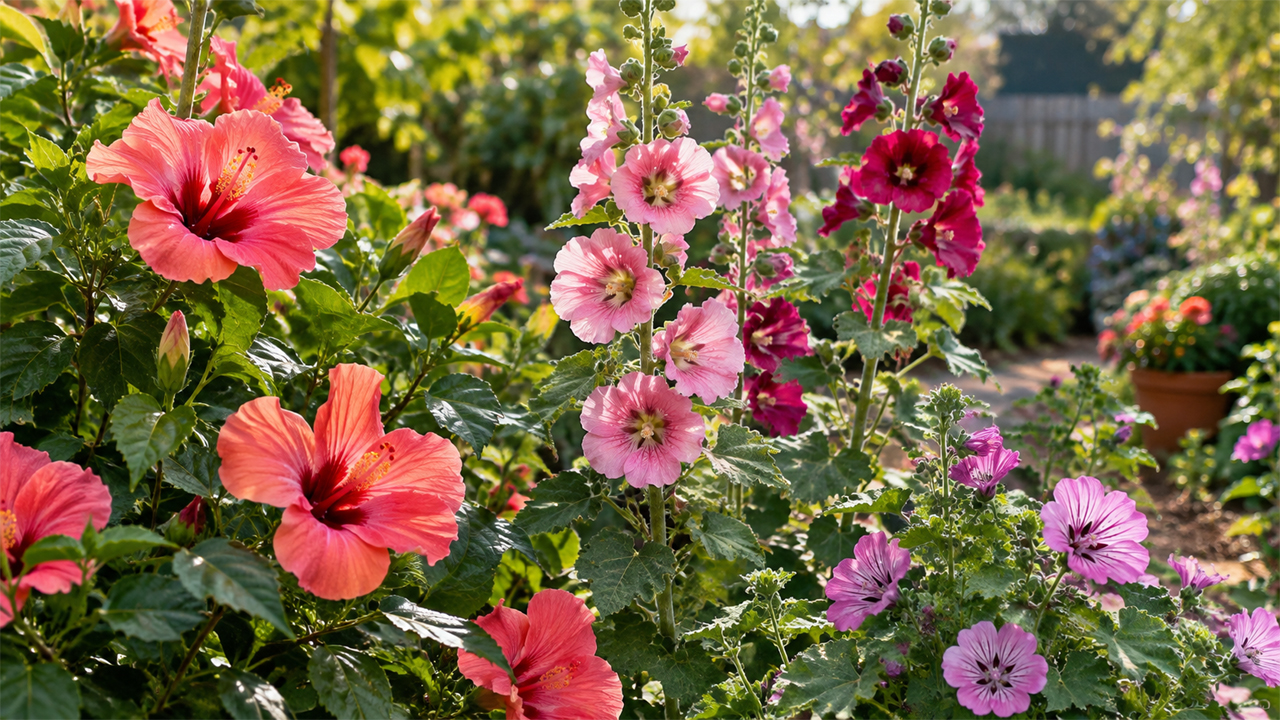
Malvales is an order of flowering plants that includes many beautiful and useful species found in gardens, parks, tropical landscapes, and natural environments around the world. From the colourful hibiscus and elegant hollyhock to the familiar mallow and towering cotton plant, this diverse group offers a remarkable combination of ornamental beauty, ecological value, and practical uses. Whether you are an experienced gardener or a beginner looking to introduce more flowering plants into your outdoor space, understanding how to grow and care for Malvales species can help you create a healthier and more attractive garden.
Although plants within this botanical order vary considerably in size, appearance, and growing requirements, many share a preference for suitable sunlight, well-prepared soil, and consistent care. Choosing the right species for your climate and providing appropriate growing conditions are the foundations of success.
What Are Malvales Plants?
Malvales is a botanical order containing several plant families, including Malvaceae, which is particularly well known for its flowering garden plants. Members of this order range from small herbaceous plants and shrubs to large trees. Many produce distinctive flowers with prominent stamens, while others are valued for their foliage, fruits, fibres, or medicinal and culinary traditions.
Some familiar examples include hibiscus, hollyhock, common mallow, rose mallow, and certain ornamental species of the genus Abutilon. The order also includes economically important plants such as cotton and cacao, although their cultivation requirements differ significantly from those of typical garden flowers.
The diversity of Malvales means there is no single care routine that suits every species. Tropical hibiscus generally prefers warmth and protection from frost, while hollyhocks can tolerate cooler conditions and are often grown as biennials or short-lived perennials. Before planting, identify the species you have selected and check its mature size, hardiness, and environmental preferences.
Choosing the Best Malvales Plants for Your Garden
Selecting suitable plants is the first step towards establishing a thriving garden. Consider your local climate, available space, sunlight exposure, and the amount of maintenance you can provide.
Hibiscus is an excellent choice for gardeners seeking large, colourful flowers. Tropical varieties are particularly attractive in warm climates and containers, while hardy hibiscus cultivars can perform well in colder regions when their specific winter requirements are met.
Hollyhocks are ideal for adding vertical interest to borders, cottage gardens, and fences. Their tall flower spikes can produce blooms in shades of pink, red, yellow, purple, and white. Common mallow is another option for informal gardens, where its relatively simple flowers and adaptable growth habit can complement other flowering plants.
When selecting plants, examine their leaves, stems, and roots for signs of disease or pests. Choose specimens with healthy foliage, firm stems, and no obvious damage. Plants suited to your region are generally easier to maintain and may require less watering, winter protection, and corrective care.
Understanding Sunlight and Temperature Requirements
Most flowering Malvales plants grow best when their sunlight requirements are met. Many hibiscus varieties and other ornamental members of the order thrive in full sun, although some appreciate partial shade during the hottest part of the day.
As a general guide, aim for approximately six hours of direct sunlight daily for sun-loving flowering species. Plants grown in insufficient light may develop weak stems, produce fewer flowers, or become unusually stretched as they reach towards brighter conditions. However, excessive heat and intense afternoon sunlight can stress certain varieties, especially when they are growing in containers.
Temperature preferences depend on the species. Tropical hibiscus benefits from warm conditions and can suffer when exposed to cold winds or frost. Hardy varieties are better suited to temperate gardens, but their ability to survive winter depends on the cultivar and local conditions.
If you live in a region with cold winters, consider growing frost-sensitive species in pots that can be moved indoors. Alternatively, choose hardy varieties that can remain outdoors throughout the colder months. Always introduce indoor plants to outdoor sunlight gradually to reduce the risk of leaf scorch.
Preparing the Soil for Healthy Growth
Healthy soil provides the foundation for strong roots, steady growth, and abundant flowering. Most garden-grown Malvales plants benefit from fertile soil that retains sufficient moisture without becoming waterlogged.
Before planting, loosen the soil and remove persistent weeds, stones, and debris. Incorporating mature compost can improve soil structure, increase organic matter, and support beneficial soil organisms. In heavy clay soil, improving drainage is especially important because prolonged saturation can deprive roots of oxygen and encourage root rot.
A well-drained loam is suitable for many common ornamental species. Soil pH preferences vary, so avoid assuming that every member of Malvales requires exactly the same conditions. If plants repeatedly struggle despite appropriate watering and sunlight, testing the soil can help identify nutrient deficiencies or unsuitable pH levels.
For container gardening, use a quality potting mix appropriate for flowering plants. Select pots with drainage holes and avoid allowing excess water to collect around the roots. Repot container-grown plants when their roots become crowded or when the growing medium begins to deteriorate.
How to Plant Malvales Successfully
Planting at the right time helps young plants establish strong root systems before facing extreme weather. In temperate climates, spring is often suitable for planting after the risk of severe frost has passed. In warmer regions, planting may also be possible during autumn, provided temperatures and soil conditions remain favourable.
Dig a hole slightly wider than the plant’s root ball and approximately as deep as the root system requires. Position the plant so that its original soil level remains close to the surrounding ground. Backfill with soil, firm it gently, and water thoroughly to settle the roots.
Spacing is equally important. Small mallows require less room than mature hibiscus shrubs or tall hollyhocks. Check the expected mature width and height of each variety before planting. Adequate spacing improves air circulation, reduces competition for resources, and makes routine maintenance easier.
When sowing seeds, follow the requirements of the individual species. Some Malvales plants establish readily from seed, while others may benefit from specific germination temperatures or seed preparation. Keep the growing medium appropriately moist, but avoid saturating it.
Watering and Feeding for Consistent Flowering
Watering should respond to the plant’s needs, the weather, the soil, and the growing environment rather than following a rigid daily schedule. Newly planted specimens generally require more frequent attention while their roots establish. Mature plants may need less frequent watering, particularly when growing in the ground.
Check the upper layer of soil before watering. If it feels dry and the species requires moderate moisture, water deeply enough to reach the root zone. Container-grown plants often dry out more quickly than garden beds, especially during hot, windy weather.
Avoid repeatedly wetting the soil when it is already saturated. Poor drainage and excessive watering can cause yellowing leaves, weakened growth, and root damage. Watering near the base of the plant can also help keep foliage dry and reduce the spread of some fungal diseases.
Fertiliser can support healthy growth when used appropriately. A balanced fertiliser applied according to its label may benefit plants growing in nutrient-poor soil or containers. Flowering shrubs may respond well to a suitable formulation during active growth, but excessive nitrogen can encourage leafy growth at the expense of flowers.
Avoid feeding plants during dormancy or when they are severely stressed by drought, cold, or damaged roots. Compost and other well-managed organic amendments can help maintain soil fertility over time.
Pruning, Deadheading, and Routine Maintenance
Regular maintenance helps Malvales plants retain an attractive shape and produce healthy growth. Pruning requirements depend on the species, so it is important to distinguish between shrubs, herbaceous perennials, and biennial plants.
Hibiscus shrubs may benefit from selective pruning to remove dead, damaged, or crossing branches. Where shaping is necessary, prune at an appropriate time for the variety, avoiding severe cuts immediately before periods of cold stress or flowering when these could weaken the plant.
Deadheading means removing flowers after they fade. This practice can improve the appearance of many ornamental species and may encourage additional flowering in varieties capable of producing repeated blooms. However, leave some healthy flowers in place if you want plants to produce seeds for future propagation.
Tall hollyhocks may need support in exposed locations, particularly when carrying heavy flower spikes. Remove dead leaves and plant debris where practical, and keep surrounding areas reasonably clear to improve airflow.
Inspect plants regularly rather than waiting for visible deterioration. Early attention to damaged stems, weeds, and overcrowded growth makes maintenance easier and can prevent small problems from becoming more serious.
Common Pests and Diseases Affecting Malvales Plants
Like other flowering plants, Malvales species can be affected by insects and diseases. Aphids may gather on tender shoots and flower buds, feeding on plant sap and sometimes causing distorted growth. Spider mites can become troublesome during hot, dry conditions, while whiteflies may affect certain plants grown in warm environments.
Inspect the undersides of leaves and the tips of new growth for early signs of infestation. For minor problems, a strong but gentle stream of water may dislodge some insects. Where necessary, use a suitable horticultural product according to its label, taking care to protect pollinators and other beneficial organisms.
Hollyhocks are particularly associated with rust, a fungal disease that can produce orange-brown spots on leaves. Good spacing, improved airflow, and removal of badly affected plant material can help reduce its spread. Avoid handling wet foliage unnecessarily, and do not place diseased material in a home composting system unless the process reliably reaches temperatures sufficient to destroy the pathogen.
Yellowing leaves, wilting, and poor flowering can have several causes, including pests, nutrient problems, inadequate light, and incorrect watering. Diagnose the underlying issue before applying treatments, since unnecessary chemicals or fertilisers can create additional problems.
Propagating Malvales Plants and Encouraging New Growth
Propagation allows gardeners to expand their collection without purchasing new plants. Seeds are a common option for hollyhocks, mallows, and many other members of the order. Collect mature seeds from healthy plants, store them in cool, dry conditions, and sow them according to the requirements of the species.
Some hibiscus varieties can be propagated from stem cuttings. Select healthy, non-flowering shoots, prepare them with clean tools, and place them in a suitable propagation medium. Maintain warmth, humidity, and gentle light while the cuttings develop roots.
Not every plant grows true to type from seed. Cultivars bred for particular flower colours or growth characteristics may produce variable offspring. Vegetative propagation is often more appropriate when the goal is to preserve the features of a selected plant.
Regardless of the method, clean equipment, suitable moisture levels, and patience are essential. Young plants should be gradually acclimatised to outdoor conditions before being placed in their permanent growing positions.
Seasonal Care for Long-Term Plant Health
Seasonal care helps Malvales plants remain healthy throughout the year. During spring, inspect plants for winter damage, remove dead growth where appropriate, refresh container compost if necessary, and begin watering and feeding as active growth resumes.
Summer often requires closer attention to moisture, especially for container-grown plants and specimens exposed to strong sunlight. Apply mulch around suitable garden plants to help conserve soil moisture and reduce weed growth, keeping the material away from direct contact with stems.
In autumn, collect seeds if desired, remove fallen diseased leaves, and prepare frost-sensitive plants for protection. Reduce feeding as growth slows and adjust watering to changing temperatures.
Winter care depends on the species and local climate. Hardy herbaceous plants may naturally die back above ground and regrow when conditions improve. Tropical species may need a bright, sheltered indoor position, reduced watering, and protection from cold draughts.
Understanding the seasonal growth cycle of each plant prevents unnecessary intervention and helps maintain a balanced care routine.
Creating a Beautiful and Sustainable Malvales Garden
Malvales plants can contribute to a garden that is both visually appealing and environmentally valuable. Their flowers can provide nectar and pollen for visiting insects, depending on the species and flower structure. Combining different flowering plants can also extend the period of seasonal interest and provide a wider range of resources for wildlife.
Choose plants adapted to local conditions, use water efficiently, and avoid unnecessary pesticide applications. Grouping plants with similar moisture and sunlight requirements can simplify maintenance and reduce waste. Leaving some seed heads through winter may provide food for wildlife, although diseased material should still be removed where appropriate.
With thoughtful plant selection, suitable soil preparation, consistent watering, and timely maintenance, many Malvales species can thrive in a wide range of garden settings. The key is to recognise that each species has individual requirements while applying sound gardening principles that support healthy roots, vigorous foliage, and reliable flowering.
Final Thoughts on Growing Healthy Malvales Plants
Growing Malvales plants successfully begins with understanding their diversity and selecting varieties suited to your climate and garden space. From the colourful blooms of hibiscus to the tall flower spikes of hollyhocks, these plants offer opportunities to introduce colour, structure, and seasonal interest into outdoor spaces.
Provide appropriate sunlight, well-drained soil, balanced nutrition, and careful watering. Monitor plants for pests and diseases, prune when necessary, and adapt your care routine as the seasons change. Most importantly, observe how your plants respond to their environment and adjust your approach accordingly.
With regular attention and a little patience, Malvales plants can become a rewarding part of your garden, producing healthy growth and attractive flowers while contributing to a more diverse and welcoming outdoor environment.
