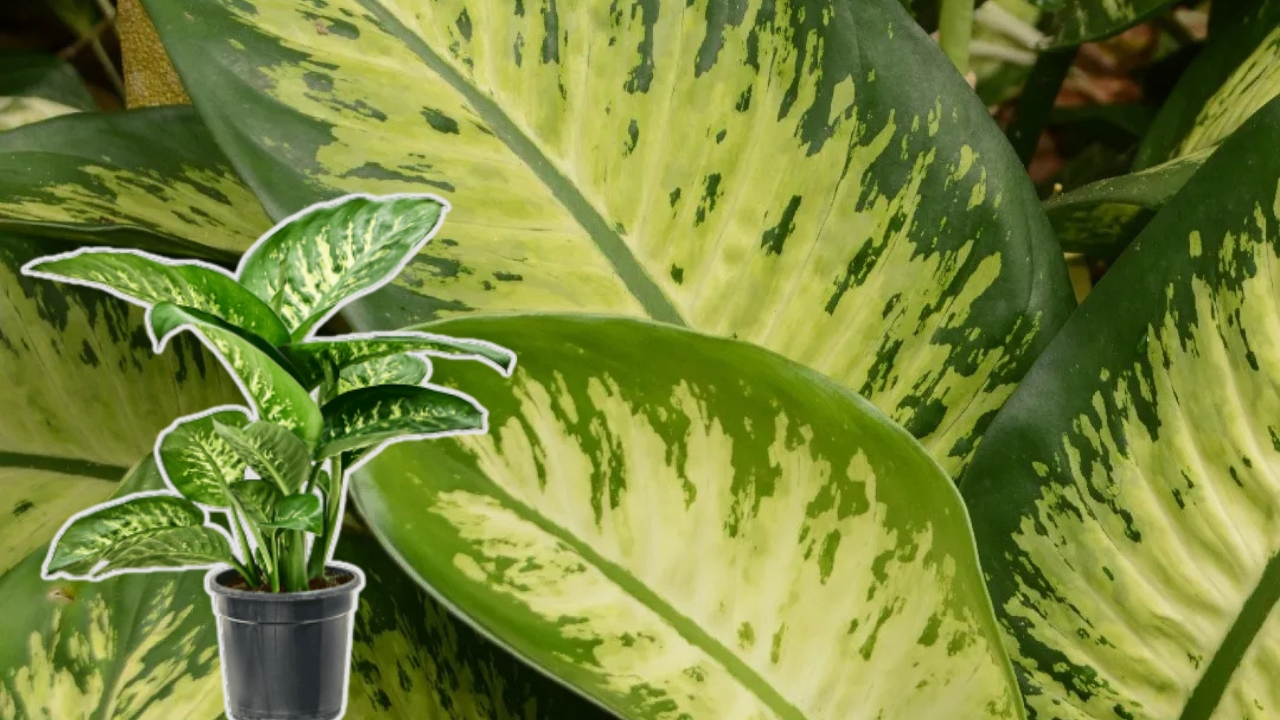
Schottariella is a relatively lesser-known plant genus that captivates enthusiasts with its unique structure and subtle beauty. Native to tropical and subtropical environments, this plant thrives in conditions that mimic forest understories, where light is filtered and humidity remains consistently high. Understanding its natural habitat is the first step toward successful cultivation, as it provides clues about the conditions you should recreate at home or in a garden.
In the wild, Schottariella typically grows beneath larger vegetation, benefiting from indirect sunlight and protection from harsh environmental extremes. The soil in these regions is usually rich in organic matter, well-draining, and slightly moist. Replicating these characteristics will give your plant the best chance to grow healthy and strong.
Choosing the Right Location for Growth
Placement plays a crucial role in the health of Schottariella. This plant prefers bright but indirect light, making it ideal for indoor environments near east or north-facing windows. Direct sunlight can scorch its delicate foliage, while insufficient light may slow its growth and lead to leggy stems.
If you are growing Schottariella outdoors, select a shaded or semi-shaded area that receives dappled sunlight throughout the day. Avoid locations exposed to strong winds or sudden temperature changes, as these can stress the plant. Consistency in environmental conditions is key to ensuring steady growth.
Soil Requirements for Healthy Development
The foundation of any thriving plant lies in its soil. Schottariella prefers a well-draining yet moisture-retentive soil mix. A blend of peat moss, perlite, and compost works particularly well, as it provides both aeration and nutrients. The soil should not become waterlogged, as excessive moisture can lead to root rot, a common issue with tropical plants.
Maintaining a slightly acidic to neutral pH level will further support optimal nutrient absorption. Regularly checking the soil condition and refreshing it when necessary ensures that the plant continues to receive the support it needs over time.
Watering Techniques and Moisture Balance
Watering Schottariella requires a balanced approach. The goal is to keep the soil consistently moist without allowing it to become soggy. Overwatering is one of the most common mistakes, often leading to fungal issues or root decay. On the other hand, letting the soil dry out completely can cause stress and hinder growth.
A good practice is to water the plant when the top inch of soil feels slightly dry to the touch. Using room-temperature water helps prevent shock to the roots. Additionally, ensuring proper drainage through pots with holes is essential to avoid water accumulation.
Importance of Humidity and Temperature
Humidity is a critical factor in replicating Schottariella’s natural environment. This plant thrives in moderate to high humidity levels, typically above 50 percent. In drier climates or indoor settings, you can increase humidity by using a humidifier, placing a tray of water near the plant, or grouping it with other plants.
Temperature should remain relatively stable, ideally between 18°C and 27°C. Sudden drops or extreme heat can negatively impact the plant’s health. Keeping it away from air conditioners, heaters, or drafts will help maintain a suitable environment.
Fertilization for Sustained Growth
To support its growth, Schottariella benefits from regular feeding during its active growing season, usually spring and summer. A balanced liquid fertilizer diluted to half strength can be applied every two to four weeks. This provides essential nutrients that may not be sufficiently available in the soil alone.
During the dormant period, typically in cooler months, reduce or stop fertilization altogether. Overfeeding can lead to salt buildup in the soil, which may damage the roots. Flushing the soil occasionally with clean water can help prevent this issue.
Pruning and Maintenance Practices
Pruning is not only about aesthetics but also about encouraging healthy growth. Removing dead or yellowing leaves allows the plant to focus its energy on new development. It also improves air circulation around the plant, reducing the risk of pests and diseases.
Regularly inspecting the plant for signs of stress or damage is an important maintenance habit. Cleaning the leaves gently with a damp cloth helps remove dust, allowing better light absorption and maintaining the plant’s natural appearance.
Propagation Methods for Expansion
Propagating Schottariella can be a rewarding process for plant enthusiasts. The most common method involves stem cuttings. Select a healthy stem with at least one node and place it in water or moist soil until roots develop. Maintaining warmth and humidity during this stage increases the chances of successful propagation.
Another method, depending on the species, may include division of the root system. This is typically done during repotting and requires careful handling to avoid damaging the plant. Providing proper aftercare ensures that new plants establish themselves successfully.
Common Pests and How to Manage Them
Like many indoor and tropical plants, Schottariella can occasionally attract pests such as spider mites, aphids, and mealybugs. Early detection is crucial to preventing infestations from spreading. Regularly checking the undersides of leaves and stems can help you spot issues before they become severe.
Natural remedies such as neem oil or insecticidal soap are effective and safe options for controlling pests. Maintaining proper humidity and cleanliness also reduces the likelihood of pest problems, as stressed plants are more vulnerable to attacks.
Preventing Diseases and Root Issues
Diseases in Schottariella are often linked to improper watering or poor air circulation. Root rot, caused by overwatering, is one of the most serious issues and can quickly damage the plant. Ensuring well-draining soil and avoiding excess moisture are the best preventive measures.
Fungal infections may appear as spots on leaves or stems. Removing affected areas and adjusting environmental conditions can help manage these problems. Providing adequate spacing and ventilation further reduces the risk of disease development.
Repotting for Continued Growth
As Schottariella grows, it may outgrow its container and require repotting. This is usually done every one to two years or when roots begin to circle the pot. Choosing a slightly larger container with good drainage is important to accommodate new growth.
Repotting is also an opportunity to refresh the soil and inspect the root system for any signs of damage or disease. Handling the plant gently during this process minimizes stress and helps it adapt quickly to its new environment.
Seasonal Care Adjustments
Caring for Schottariella involves adapting to seasonal changes. During warmer months, the plant experiences active growth and requires more water, nutrients, and attention. In contrast, cooler months call for reduced watering and minimal fertilization.
Light availability may also change with the seasons, so adjusting the plant’s position to maintain adequate exposure is beneficial. Paying attention to these subtle shifts ensures that the plant remains healthy throughout the year.
Final Thoughts on Growing Schottariella
Growing Schottariella successfully comes down to understanding its natural preferences and maintaining consistency in care. By providing the right balance of light, water, humidity, and nutrients, you can create an environment where this unique plant can thrive.
While it may require a bit more attention compared to common houseplants, the reward lies in its distinctive appearance and the satisfaction of nurturing a less conventional species. With patience and proper care, Schottariella can become a beautiful and lasting addition to your plant collection.
