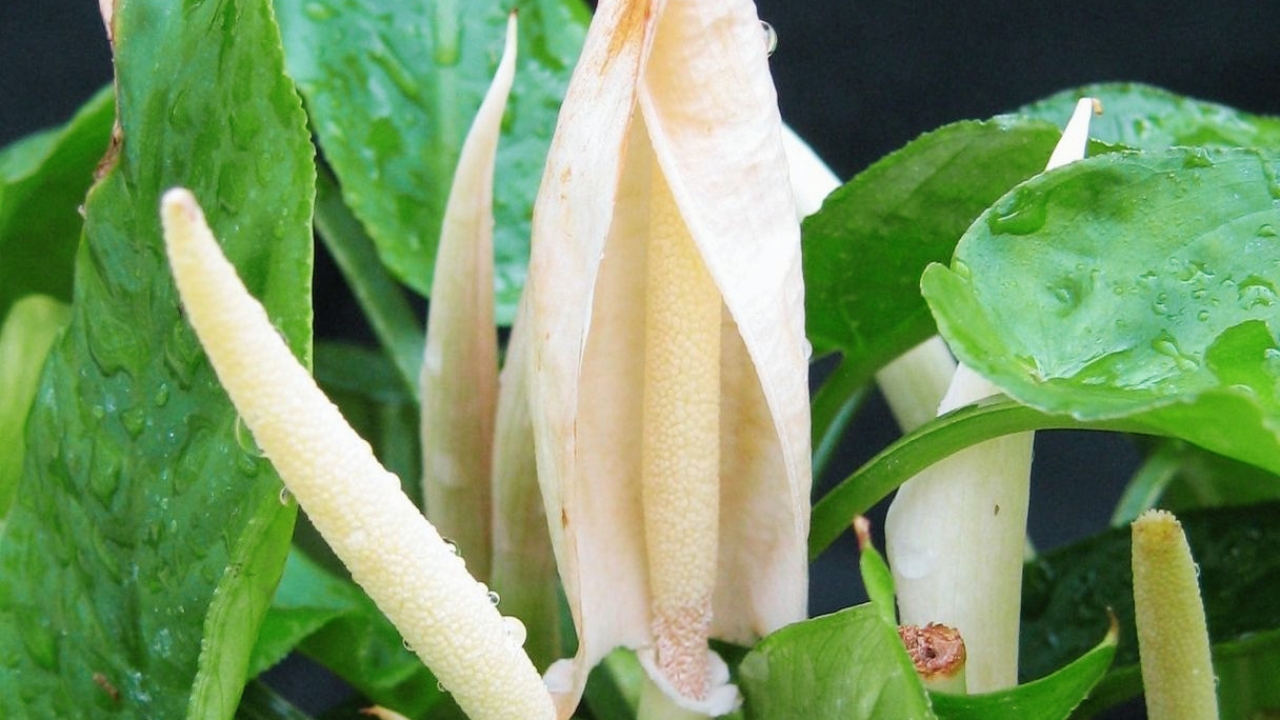
Phymatarum, a relatively lesser-known yet fascinating plant genus, has gained popularity among gardeners and plant enthusiasts due to its unique appearance and relatively simple care requirements. Native to specific tropical regions, Phymatarum plants boast a lush, green look that can thrive in a variety of indoor and outdoor settings. This guide will cover all the essential steps required to grow Phymatarum successfully, from planting to long-term maintenance, ensuring your plant remains healthy and vibrant.
Selecting the Right Location for Phymatarum
The first step in successfully growing Phymatarum begins with selecting the right location. These plants thrive in bright, indirect light but should be shielded from harsh direct sunlight, which can scorch their delicate leaves. If you’re growing Phymatarum indoors, placing it near a window that faces east or west is ideal, as it will receive ample light without the danger of overheating. For outdoor gardening, select a spot that is shaded during the hottest part of the day but still receives enough light to encourage steady growth.
Phymatarum plants do well in moderate to warm temperatures, ideally between 65°F to 75°F (18°C to 24°C). They are sensitive to cold drafts or sudden temperature changes, so avoid placing them near air conditioners or heaters. If you live in a climate that dips below 50°F (10°C) regularly, it’s better to grow Phymatarum in containers so that they can be brought indoors during colder months.
Soil Requirements for Phymatarum
Phymatarum plants prefer well-draining, slightly acidic soil. A peat-based mix is often the best choice, as it provides the necessary drainage while also retaining enough moisture for the plant’s roots. You can either purchase a ready-made potting mix that is labeled for tropical plants or make your own by combining equal parts of peat moss, perlite, and pine bark. This combination ensures proper aeration and drainage, both of which are essential for the healthy root growth of Phymatarum.
If you’re planting Phymatarum outdoors, ensure that the soil in your garden bed is loose and well-drained. You may need to amend heavy or clay-like soils with organic compost or coarse sand to improve drainage. Regardless of whether you’re planting indoors or outside, it’s essential to ensure the soil stays moist but not waterlogged, as stagnant water can lead to root rot.
Planting Phymatarum
Planting Phymatarum is a relatively straightforward process. Start by choosing a container or garden bed that is large enough to accommodate the root system of your plant. The container should have drainage holes to prevent water accumulation. If you’re planting outdoors, dig a hole that is slightly wider and deeper than the root ball of the plant to give it room to establish itself.
For indoor planting, fill the pot with your prepared soil mix, leaving a few inches from the top to prevent overflow when watering. Gently remove the Phymatarum plant from its nursery pot and loosen the roots if they appear compacted. Place the plant in the center of the new pot or garden hole and fill in with more soil, pressing it lightly around the base to secure it in place. Water the plant thoroughly after planting to help it settle into its new environment.
Watering Phymatarum
Phymatarum plants have moderate water requirements. It is important to keep the soil consistently moist but never soggy. Over-watering can lead to root rot, a common issue with these plants. A good rule of thumb is to water the plant when the top inch of soil feels dry to the touch. In the growing season, typically spring through summer, this might mean watering once a week, but always check the moisture levels before watering.
In winter, when the plant’s growth slows down, you may need to water less frequently. Additionally, using room-temperature water is recommended, as cold water can shock the plant and hinder its growth. If you notice yellowing leaves, it could be a sign of over-watering or poor drainage, and you should adjust your watering schedule accordingly.
Fertilizing Phymatarum
Fertilization plays an important role in promoting healthy growth and vibrant foliage in Phymatarum plants. During the growing season, feed your plant with a balanced liquid fertilizer every 4-6 weeks. Opt for a fertilizer with a balanced N-P-K (Nitrogen-Phosphorus-Potassium) ratio, such as 10-10-10, which supports overall plant health, root development, and leaf production.
In the dormant months of fall and winter, Phymatarum requires significantly less fertilization, and you can reduce feeding to once every 2-3 months or stop entirely until the plant resumes active growth in spring. Over-fertilizing can cause nutrient burn, so always follow the recommended application rates.
Pruning and Maintenance
Pruning is essential to maintain the shape and health of your Phymatarum plant. Trim back any dead, damaged, or diseased foliage to prevent the spread of disease and encourage new growth. Regular pruning also helps to control the size of the plant, especially for indoor varieties that might outgrow their space.
You can also cut back leggy or overgrown stems to promote fuller growth. Always use clean, sharp scissors or pruning shears to avoid introducing infections to the plant. If your Phymatarum develops any pest issues, such as aphids or spider mites, pruning can help remove the affected areas and reduce the spread of the infestation.
Repotting Phymatarum
Phymatarum plants do not need frequent repotting, but as they grow, they may outgrow their current container. It’s typically recommended to repot your plant every 1-2 years to refresh the soil and provide more space for root growth. The best time to repot is during the spring or early summer when the plant is actively growing.
To repot, gently remove the plant from its current pot and inspect the roots for any signs of rot or disease. Trim off any unhealthy roots before placing the plant in a new container that is about 1-2 inches larger in diameter than the previous one. Fill the new pot with fresh potting mix, and water thoroughly to help the plant adjust.
Pest Control for Phymatarum
Although Phymatarum plants are relatively resistant to pests, they can still attract occasional visitors like aphids, mealybugs, and spider mites, particularly in indoor environments. Regularly inspect the undersides of leaves and stems for signs of pests, and treat the affected areas promptly.
You can use natural pest control methods, such as neem oil or insecticidal soap, which are effective and non-toxic to the plant. A gentle rinse with water can also help to remove pests manually. For severe infestations, you may need to isolate the plant until the issue is resolved to prevent the pests from spreading to other plants.
Common Problems and Troubleshooting
Growing Phymatarum can be rewarding, but like all plants, they may encounter a few challenges. Here are some common problems and their solutions:
- Yellowing Leaves: This could be a sign of overwatering, poor drainage, or a nutrient deficiency. Ensure the soil is well-drained and adjust your watering habits accordingly. If necessary, apply a balanced fertilizer to replenish nutrients.
- Brown Leaf Tips: This is often a sign of underwatering or low humidity. Ensure the soil is kept moist and consider increasing humidity by misting the plant or using a humidifier.
- Drooping Leaves: This can happen if the plant is not getting enough light. Move it to a brighter location with indirect sunlight to encourage upright growth.
Conclusion
Growing Phymatarum is an enjoyable and rewarding experience that can add a lush, tropical feel to your home or garden. By selecting the right location, ensuring proper soil, watering appropriately, and maintaining the plant with regular pruning and pest control, you can help your Phymatarum thrive for years to come. With a little care and attention, this unique plant will be a beautiful addition to your indoor or outdoor plant collection.
