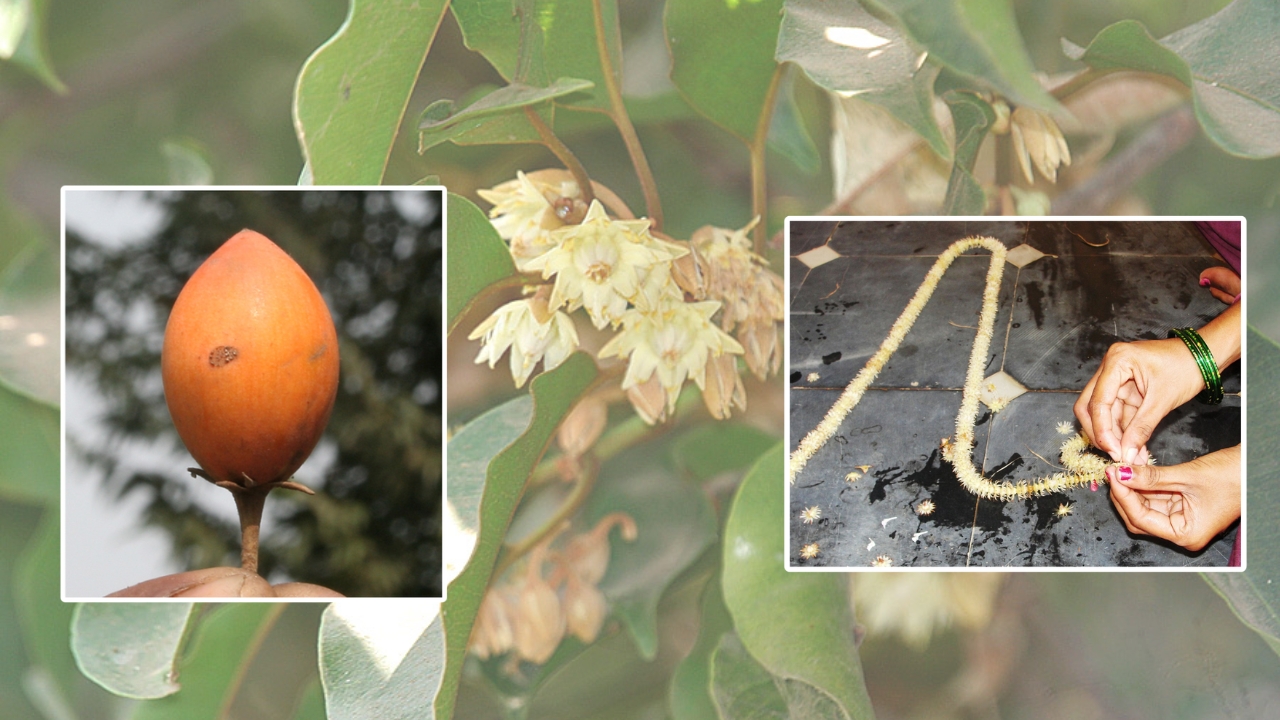
The Bakoaella plant is a striking ornamental species admired for its lush foliage, elegant growth habit, and adaptability in both indoor and outdoor environments. Although still relatively uncommon in mainstream gardening, it has been gaining popularity among plant enthusiasts due to its unique visual appeal and manageable care requirements once its needs are understood.
Bakoaella is typically characterized by its soft, layered leaves that grow in a slightly cascading or bushy pattern depending on how it is trained and maintained. In the right conditions, it develops a dense, vibrant canopy that can enhance home interiors, shaded garden corners, or balcony plant arrangements. Its aesthetic versatility makes it suitable for decorative pots, hanging baskets, and mixed plant compositions.
One of the most appealing aspects of Bakoaella is that it responds well to consistent care without being overly demanding. However, like most tropical-origin plants, it thrives best when its environmental preferences are closely matched.
Ideal Growing Conditions
Bakoaella performs best in stable, warm, and humid conditions. It prefers an environment that mimics tropical understory habitats, where light is filtered and moisture levels are naturally higher.
Indoors, it should be placed in a space that maintains moderate humidity and avoids sudden temperature fluctuations. Bathrooms with natural light, kitchens, or living rooms with indirect sunlight often work well. Outdoors, it grows best in shaded or partially shaded areas where it is protected from harsh midday sun and strong winds.
Consistency is key for this plant. Sudden changes in environment, such as moving it from a humid indoor space to a dry outdoor one, can cause stress symptoms like leaf drop or slowed growth. Once it acclimates, however, Bakoaella tends to stabilize and grow steadily.
Soil Requirements
The ideal soil for Bakoaella is well-draining yet moisture-retentive. A balanced mix of organic matter and aeration is essential to prevent root suffocation while maintaining consistent hydration.
A recommended soil blend includes garden soil, coco peat or peat moss, and perlite or coarse sand. This combination ensures that water does not stagnate around the roots while still providing enough moisture retention for healthy growth.
Good drainage is especially important because Bakoaella roots are sensitive to prolonged waterlogging. If grown in pots, drainage holes are absolutely necessary. Adding a layer of small stones or broken pottery at the base can further improve drainage efficiency.
Regular soil refreshing every 12 to 18 months helps maintain nutrient balance and prevents compaction, which can restrict root development.
Watering Practices
Watering is one of the most important aspects of Bakoaella care. The plant prefers consistently moist soil, but not soggy conditions. The top layer of soil should be allowed to dry slightly between watering sessions.
During warmer months or active growth periods, watering may need to be more frequent, especially if the plant is kept in a bright or airy location. In cooler months, watering should be reduced to avoid over-saturation.
A helpful approach is to check soil moisture using a finger test: if the top one to two centimeters feel dry, it is time to water. When watering, it is best to do so thoroughly until excess water drains from the bottom of the pot.
Overwatering is one of the most common mistakes and can lead to root rot, yellowing leaves, and a general decline in plant vigor. Underwatering, while less damaging, may cause wilting and slower growth.
Light and Temperature Needs
Bakoaella thrives in bright, indirect light. Direct sunlight, especially strong afternoon rays, can scorch its leaves and cause fading or browning. However, too little light will result in leggy growth and reduced foliage density.
A north or east-facing window is often ideal for indoor cultivation. If natural light is insufficient, gentle artificial grow lights can be used to supplement its needs.
Temperature plays a crucial role in its health. The plant prefers a range between 18°C and 28°C. It is sensitive to cold drafts and should be protected from temperatures below 12°C. Sudden cold exposure can cause stress and leaf damage.
Stable conditions are far more important than perfect conditions. Even moderate but consistent environments often yield better growth than fluctuating ideal ones.
Fertilization and Feeding
To maintain healthy growth and vibrant foliage, Bakoaella benefits from regular but moderate feeding. A balanced liquid fertilizer diluted to half strength is usually sufficient.
During the active growing season, typically spring through early autumn, feeding once every two to four weeks supports strong development. In the dormant or slower growth periods, fertilization can be reduced or paused entirely.
Organic options such as compost tea or diluted seaweed extract can also be used to improve soil health and encourage gradual, sustainable growth. Over-fertilization should be avoided, as it can lead to salt buildup in the soil and damage delicate roots.
Signs of nutrient deficiency include pale leaves, weak stems, and reduced growth rate, while excessive feeding may cause burnt leaf edges or overly rapid but weak growth.
Propagation Methods
Bakoaella is commonly propagated through stem cuttings, which is a simple and effective method for expanding your plant collection.
To propagate, select a healthy stem with at least a few nodes and remove it just below a node using clean, sharp scissors. The cutting can then be placed in water or directly into moist soil.
If using water propagation, roots typically begin to develop within one to two weeks. Once a healthy root system forms, the cutting can be transferred to soil. Soil propagation requires consistent moisture and warmth to encourage root formation.
Humidity plays a major role in successful propagation. Covering cuttings with a transparent cover or placing them in a humid environment can significantly improve success rates.
Pruning and Maintenance
Regular pruning helps maintain the shape and health of the Bakoaella plant. Trimming encourages bushier growth and prevents the plant from becoming too leggy or sparse.
Dead, yellowing, or damaged leaves should be removed promptly to redirect energy toward healthy growth. Light trimming of long stems also stimulates branching, resulting in a fuller appearance.
Pruning is best done during active growth periods when the plant can recover quickly. Clean tools should always be used to prevent infections.
Routine maintenance also includes dusting leaves gently with a damp cloth, especially for indoor plants, as dust buildup can block light absorption and reduce photosynthesis efficiency.
Common Pests and Diseases
Like many ornamental plants, Bakoaella may occasionally face pest issues such as aphids, spider mites, or mealybugs. These pests typically target new growth and can weaken the plant if not addressed promptly.
Early signs include sticky residue, curled leaves, or small visible insects on stems and undersides of leaves. Mild infestations can often be managed with a gentle spray of water or insecticidal soap.
Fungal issues may arise if the plant is kept in overly damp or poorly ventilated conditions. Symptoms include dark spots on leaves or mushy stems. Improving airflow and adjusting watering habits usually helps prevent recurrence.
Preventive care, including proper spacing, clean soil, and balanced moisture, is the best defense against most problems.
Troubleshooting and Tips
If Bakoaella is not thriving, the issue is often related to environmental imbalance rather than disease. Yellowing leaves usually indicate overwatering or poor drainage, while slow growth often points to insufficient light.
Leaf drop can occur due to sudden changes in temperature or humidity. In such cases, stabilizing the environment and avoiding frequent relocation of the plant can help recovery.
For best results, consistency should always be prioritized over intensive care routines. Bakoaella responds well to steady conditions, moderate feeding, and careful observation.
With patience and attention, this plant can become a long-lasting, visually rewarding addition to any plant collection, offering lush greenery and a calming natural presence throughout the year.
