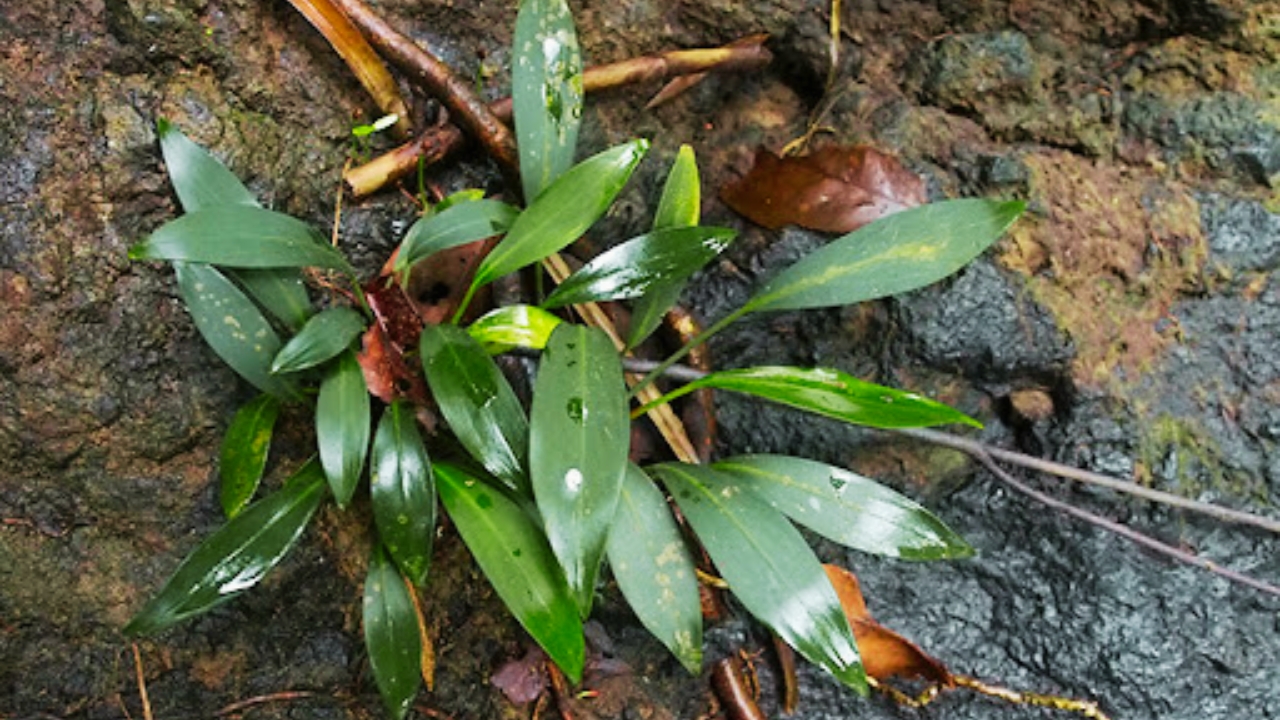
Tawaia farming is gaining attention among progressive farmers who are looking for sustainable, profitable, and adaptable crop options. Known for its resilience and versatility, Tawaia can be cultivated across a range of climates with the right techniques. Whether you are a beginner or an experienced grower, understanding the fundamentals of Tawaia farming can help you achieve healthier plants and higher yields.
This guide explores practical and field-tested tips to help you grow Tawaia successfully. From soil preparation to harvesting, every stage plays a crucial role in maximizing productivity and maintaining crop health.
Understanding Climate and Soil Requirements
Tawaia plants thrive best in moderate to warm climates with consistent sunlight. While they can tolerate slight variations in temperature, extreme cold or prolonged drought conditions can negatively impact growth. Ideally, a temperature range between 20°C and 30°C supports optimal development.
Soil quality is equally important. Tawaia prefers well-drained, loamy soil rich in organic matter. Heavy clay soils should be avoided unless properly amended, as waterlogging can damage the roots. Before planting, it is recommended to test the soil pH, which should ideally be between 6.0 and 7.5. Adding compost or well-decomposed manure enhances soil fertility and improves structure.
Land Preparation Techniques
Proper land preparation lays the foundation for a successful Tawaia crop. Begin by clearing weeds, stones, and debris from the field. Plough the land thoroughly to loosen the soil and improve aeration. This step ensures that roots can penetrate deeply and access nutrients efficiently.
After ploughing, level the field to ensure even water distribution. Raised beds or ridges can be beneficial in areas prone to water stagnation. Incorporating organic matter during this stage helps retain moisture and boosts microbial activity, which supports plant growth.
Seed Selection and Sowing Methods
Choosing high-quality seeds is one of the most critical steps in Tawaia farming. Always select seeds from reliable sources, preferably certified varieties known for disease resistance and high yield potential.
Before sowing, seeds can be treated with natural or recommended treatments to prevent fungal infections and improve germination rates. Sowing can be done either by direct seeding or through nursery transplantation, depending on local practices.
Maintain appropriate spacing between plants to avoid overcrowding. Proper spacing allows sufficient sunlight penetration and air circulation, reducing the risk of disease and promoting uniform growth.
Irrigation and Water Management
Efficient water management is key to healthy Tawaia cultivation. While the crop requires consistent moisture, over-irrigation can lead to root rot and nutrient leaching. The goal is to maintain a balanced moisture level in the soil.
Drip irrigation systems are highly recommended as they deliver water directly to the root zone, minimizing waste and improving efficiency. If traditional irrigation methods are used, ensure that watering is done early in the morning or late in the evening to reduce evaporation losses.
During critical growth stages such as flowering and fruit development, maintaining adequate soil moisture is essential for maximizing yield.
Nutrient Management and Fertilization
Tawaia plants require a balanced supply of nutrients to grow vigorously. A combination of organic and inorganic fertilizers can be used to meet the crop’s needs. Organic inputs such as compost, vermicompost, and green manure improve soil health and provide slow-release nutrients.
Basal application of fertilizers should be done during land preparation, followed by periodic top dressing based on plant growth stages. Nitrogen supports leafy growth, phosphorus aids root development, and potassium enhances overall plant strength and resistance.
Regular soil testing helps in determining nutrient deficiencies and adjusting fertilization practices accordingly.
Weed Control Strategies
Weeds compete with Tawaia plants for nutrients, water, and sunlight, which can significantly reduce yield if not managed properly. Early-stage weed control is especially important, as young plants are more vulnerable.
Manual weeding is effective for small-scale farms, while mechanical tools can be used for larger fields. Mulching is another practical method that suppresses weed growth while conserving soil moisture.
Maintaining a clean field not only improves crop growth but also reduces the chances of pest infestations.
Pest and Disease Management
Like any crop, Tawaia is susceptible to certain pests and diseases. Common issues include leaf-eating insects, fungal infections, and soil-borne pathogens. Early identification and timely intervention are crucial to prevent serious damage.
Integrated pest management practices are highly effective. This approach combines biological controls, cultural practices, and minimal use of chemical pesticides. Encouraging natural predators, rotating crops, and maintaining field hygiene are all important preventive measures.
If chemical treatments are necessary, they should be used judiciously and according to recommended guidelines to avoid harming beneficial organisms and the environment.
Growth Monitoring and Crop Care
Regular monitoring allows farmers to identify potential problems before they escalate. Observing plant color, leaf structure, and overall growth patterns can provide valuable insights into crop health.
Pruning or removing damaged parts of the plant can help redirect energy toward healthy growth. Supporting plants with stakes or trellises, if required, prevents lodging and improves air circulation.
Consistent care and timely interventions contribute significantly to achieving high yields and maintaining plant health.
Harvesting Techniques and Timing
Harvesting at the right time is essential to ensure both quality and yield. Tawaia crops should be harvested when they reach maturity, which is typically indicated by changes in color, texture, or size depending on the variety.
Delaying harvest can lead to over-ripening or loss due to pests and environmental factors. Use proper tools and techniques to avoid damaging the plants or produce during harvesting.
Post-harvest handling, including cleaning and proper storage, helps maintain product quality and extends shelf life.
Post-Harvest Management and Storage
After harvesting, careful handling is necessary to preserve the quality of Tawaia produce. Clean the harvested material to remove dirt and unwanted particles. Sorting and grading based on size and quality can improve market value.
Store the produce in a cool, dry place with good ventilation. Proper storage conditions prevent spoilage and reduce losses. If transportation is required, use suitable packaging materials to protect the produce from damage.
Tips for Maximizing Yield and Profitability
To achieve the best results in Tawaia farming, consistency and attention to detail are key. Adopting modern farming techniques, maintaining soil health, and staying informed about new practices can significantly improve productivity.
Crop rotation helps prevent soil depletion and reduces disease buildup. Keeping records of farming activities, inputs, and outputs allows for better decision-making in future seasons.
Market awareness is also important. Understanding demand, pricing trends, and potential buyers can help farmers maximize profits and reduce risks.
Conclusion
Tawaia farming offers a promising opportunity for farmers seeking a reliable and rewarding crop. By focusing on proper soil preparation, quality seeds, efficient water management, and proactive pest control, growers can achieve healthy plants and high yields.
Success in Tawaia cultivation depends on a balanced approach that combines traditional knowledge with modern agricultural practices. With careful planning and consistent effort, farmers can unlock the full potential of this crop and enjoy sustainable agricultural growth.
